Isamu Noguchi light and living design ideas | CozyNest Living
Explore Isamu Noguchi light and living design ideas through soft lighting, sculptural furniture, natural materials and calm modern home inspiration for warmer small homes, balconies and quiet everyday spaces.
DESIGNER STORIES
Isamu Noguchi: When Light Becomes Part of Home
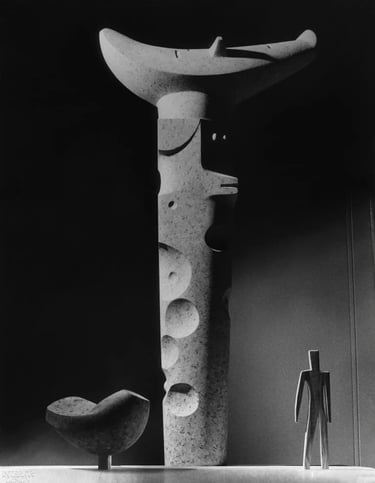
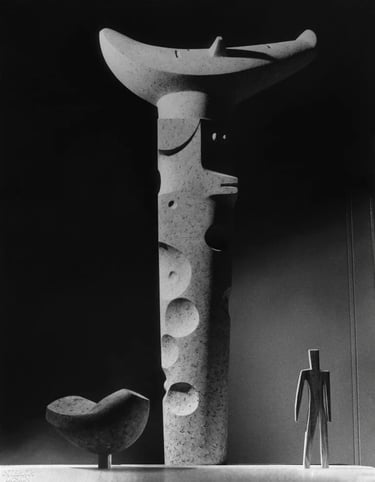
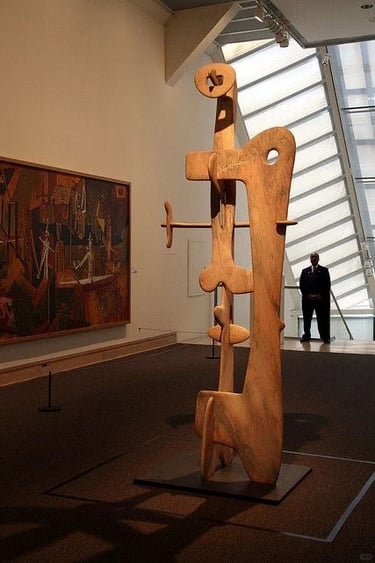
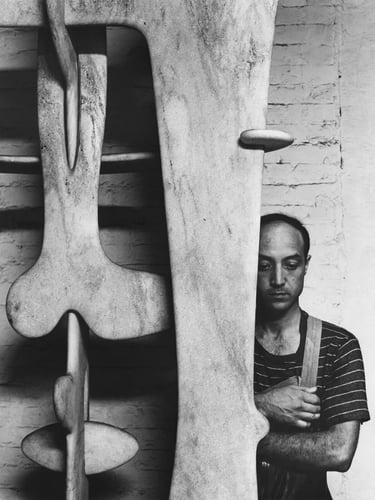
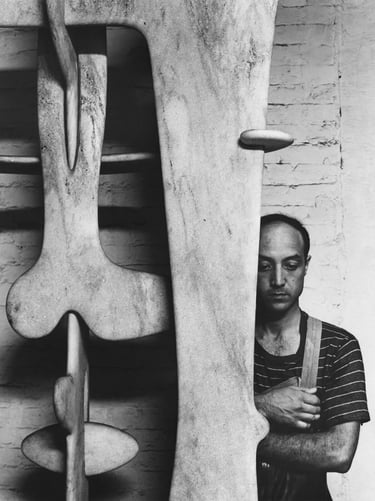
Isamu Noguchi’s work is difficult to place into one simple category. He was known as a sculptor, but his practice also included furniture, lighting, gardens, public spaces and stage design. This wide creative range is exactly what makes his ideas useful for thinking about modern homes today.
Noguchi did not treat design as something separate from daily life. His lamps, tables and interior objects often sit between art and function. They are practical enough to be used, but they also change the mood of a room. A table is not only a surface. A lamp is not only a source of light. A well-designed object can affect how a space feels, how people move through it and how they slow down at the end of the day.
For CozyNest Living, his work is especially relevant because it connects with many ideas we often return to: soft lighting, natural materials, calm interiors, small living spaces and quiet corners at home. Noguchi’s designs are not loud or decorative in an obvious way. Their strength is in proportion, material and atmosphere.
The Importance of Soft Light
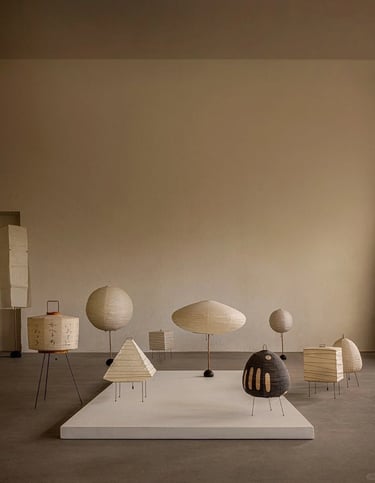
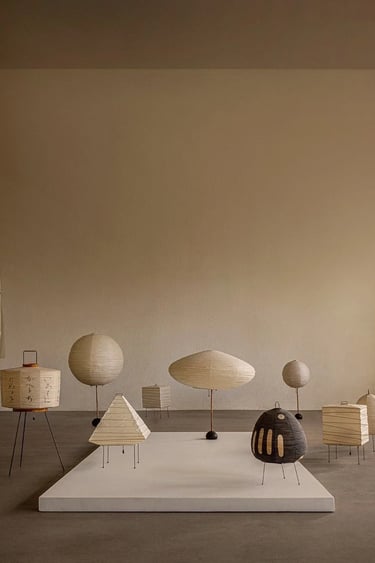
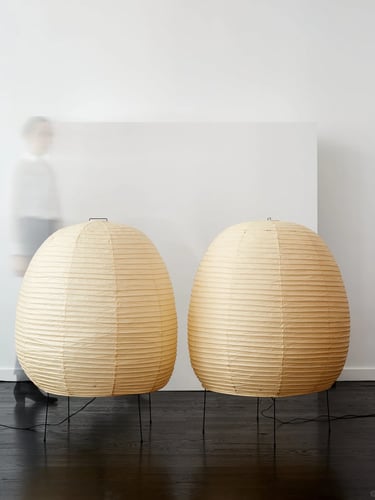
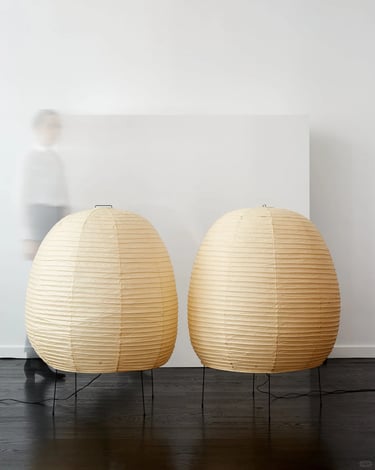
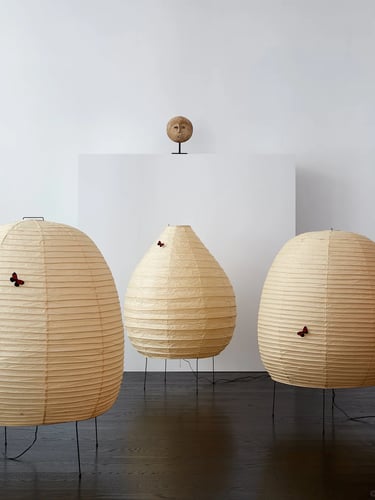
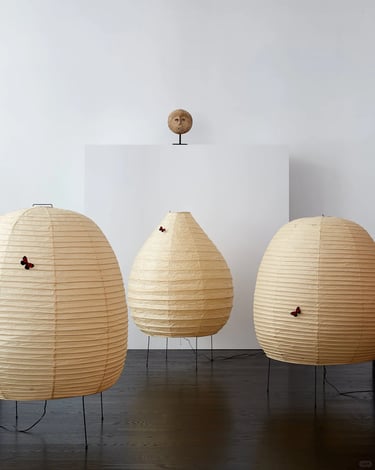
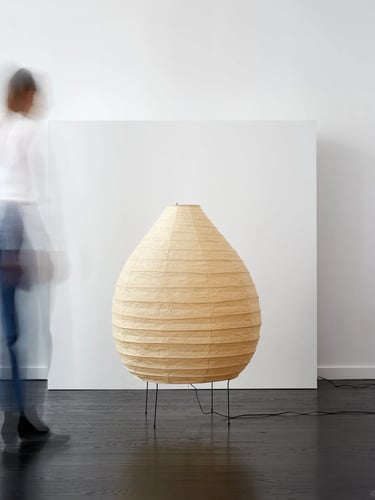
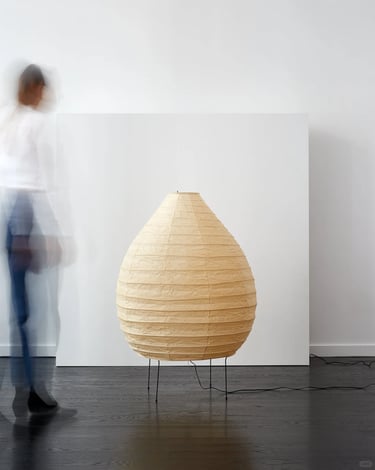
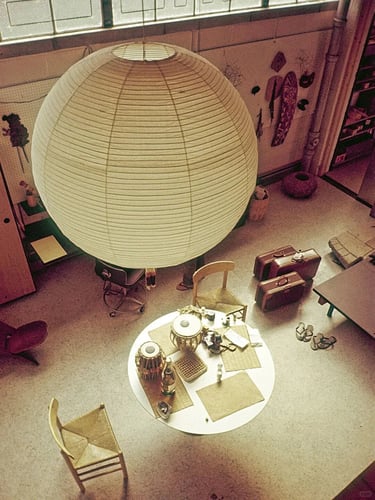
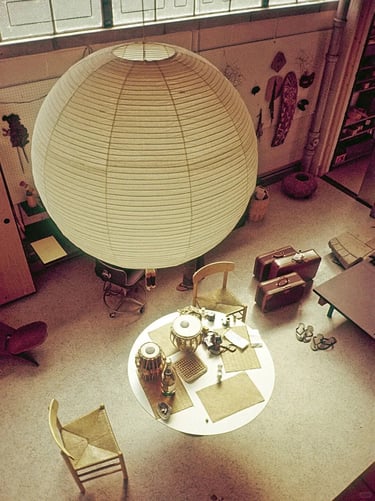
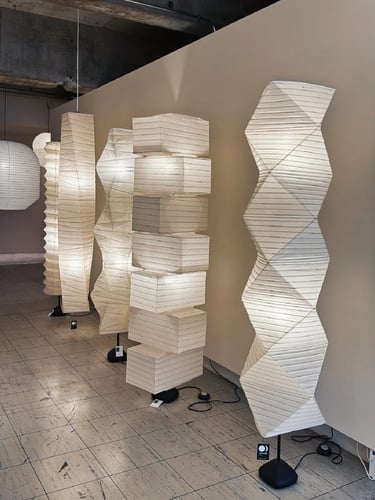
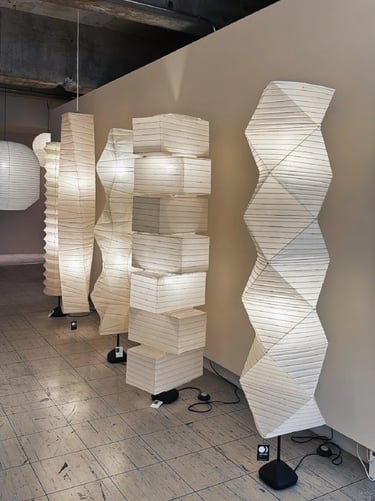
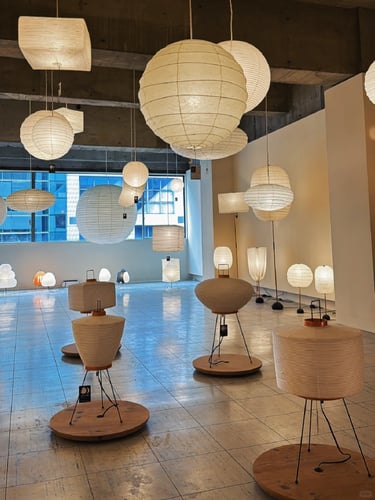
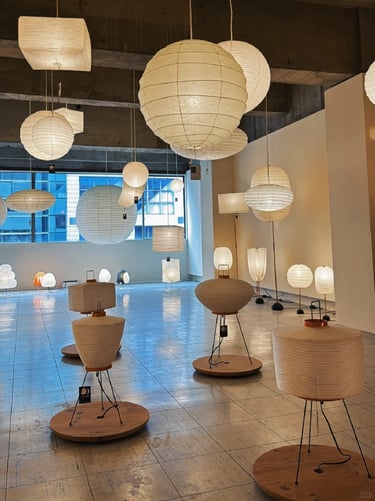
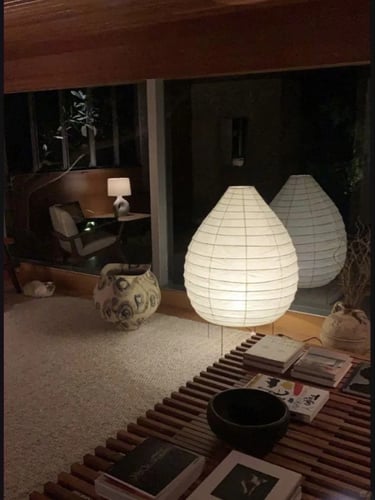
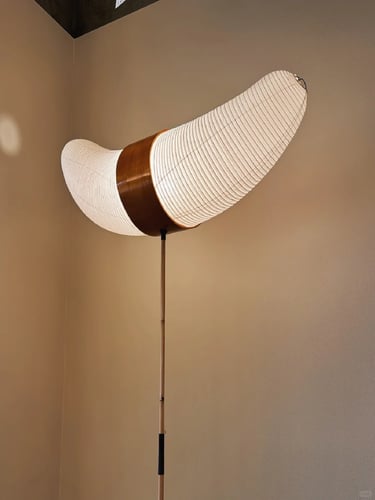
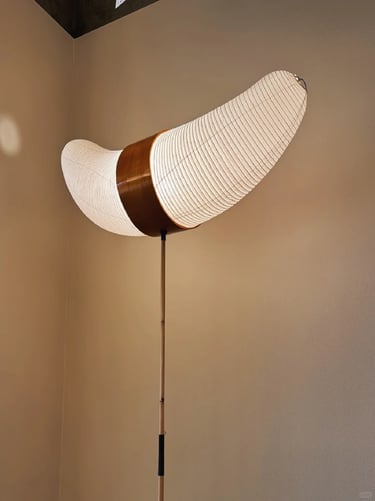
Noguchi is closely associated with Akari light sculptures, which use paper and bamboo in a way that gives light a gentle, diffused quality. These lamps are not only beautiful objects. They show how much lighting can influence the emotional tone of a home.
Many modern homes rely too much on bright ceiling lights. They are useful, but they often make a room feel flat or harsh, especially at night. Softer lighting creates a different experience. It gives a corner more depth, makes materials feel warmer and helps a room feel more relaxed.
This matters in small homes and apartments. When the space is limited, lighting becomes one of the easiest ways to create comfort without adding more furniture. A soft lamp beside a chair, near a plant or close to a window can make a simple corner feel intentional.
Good lighting also helps a home change throughout the day. A room can be practical in the morning and calmer in the evening. Noguchi’s work reminds us that light is part of how we live, not just something we switch on when the room gets dark.
What Homes Can Learn From Noguchi
Noguchi’s design ideas can be applied without owning any famous design piece. The value is in the way of thinking.
Start with lighting. A room that feels unfinished may not need more decoration. It may simply need a softer light source at the right height. Table lamps, floor lamps and paper shades can make a stronger difference than many small decorative objects.
Then look at the furniture. In a small space, heavy shapes can make the room feel crowded. Lower tables, rounded edges, slim frames and open structures can reduce that pressure.
It also helps to leave space around important objects. When every surface is filled, nothing stands out. A quiet lamp, a plant or a small table needs a little breathing room to be noticed properly.
The final point is material. Instead of adding more color or pattern, it may be better to add one natural texture. Paper, wood, bamboo, linen, clay or stone can make a room feel warmer without making it visually busy.
Natural Materials and Quiet Texture
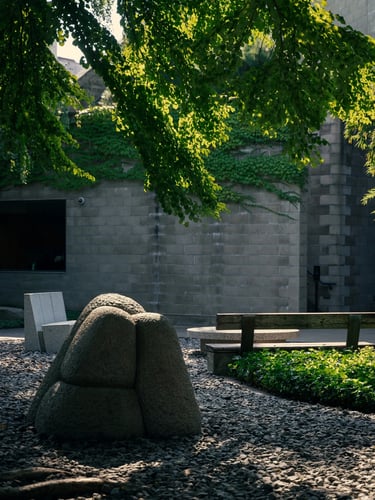
Noguchi’s work often feels close to natural materials. Paper, bamboo, wood, stone and clay all carry a softer visual quality than glossy or heavily artificial surfaces. They age differently, reflect light differently and make a room feel more grounded.
This is one reason his ideas fit well with calm modern interiors. A room does not need to be full of decoration if the materials already have texture and warmth. A paper lamp, a wooden table, a woven rug or a ceramic vase can add feeling without making the space look crowded.
For a cozy home, this kind of restraint is useful. It keeps the room simple, but not empty. It gives the eye something to rest on without creating too much visual noise.
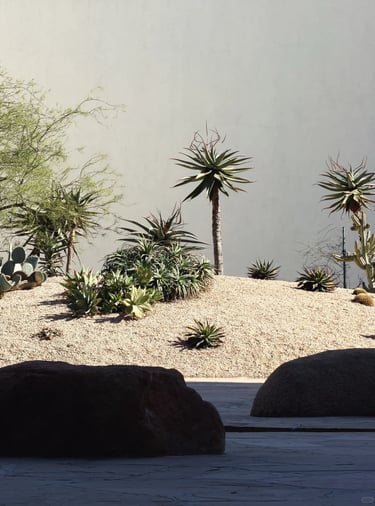
Natural materials are also easy to connect with plants, daylight and neutral colors. This makes them suitable for small apartments, reading corners, bedrooms and covered balconies where the goal is not to impress, but to create a more comfortable daily environment.
Design Between Sculpture and Daily Life
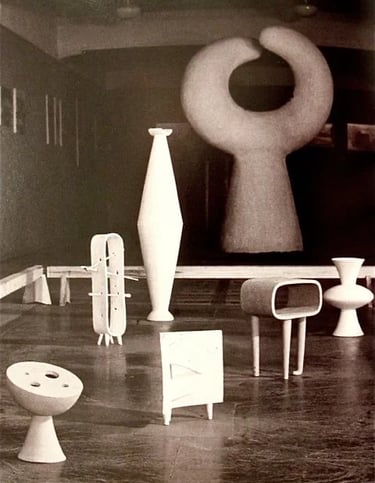
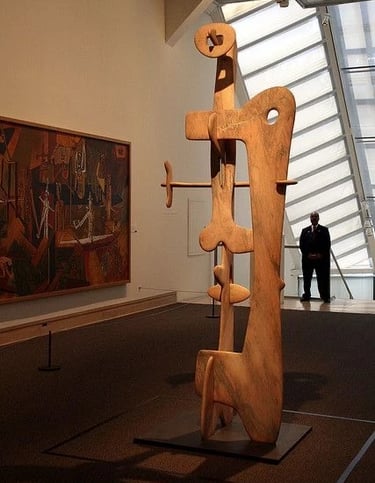
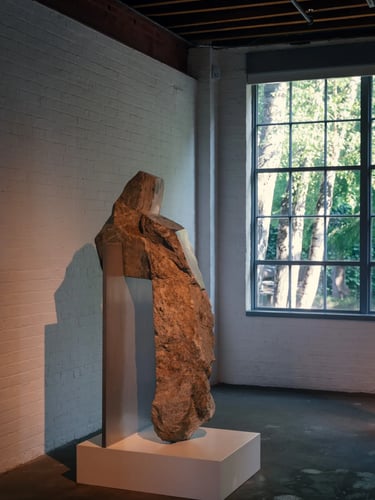
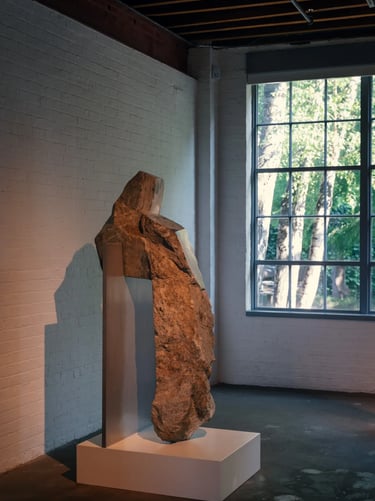
Noguchi’s background as a sculptor shaped the way he approached furniture and lighting. His objects often have a clear physical presence, but they rarely feel heavy. They are carefully balanced, with simple forms that leave room around them.
This is useful for home design because many rooms do not need more decoration. They need better relationships between objects, light and empty space. In a small living room, for example, a large heavy coffee table can make the whole room feel crowded. A more balanced piece, with lighter visual weight or softer edges, can make the same space feel calmer.
Noguchi’s furniture suggests that useful objects do not have to be plain. They can be practical and still have character. This is an important idea for smaller homes, where every piece of furniture has a stronger impact on the overall feeling of the room.
Furniture That Feels Lighter
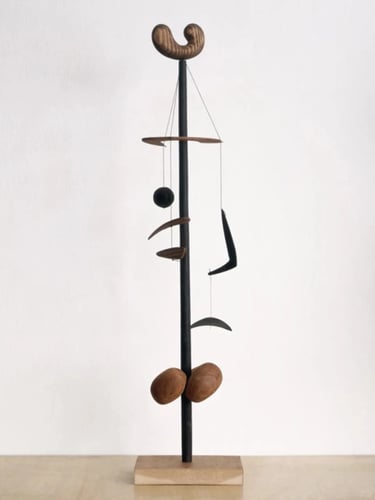
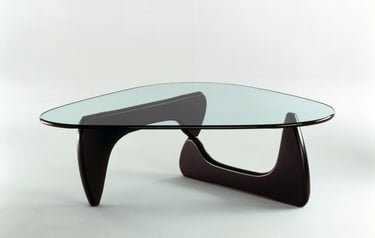
One of the strongest lessons from Noguchi’s furniture is the idea of visual lightness. His well-known coffee table, for example, has a sculptural base and a glass top. It functions as a table, but it does not block the room in the way a bulky solid piece might.
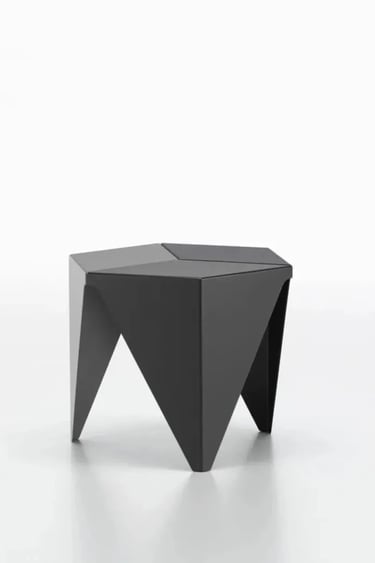
This idea is worth considering when choosing furniture for compact homes. A small room can quickly feel heavy if every piece is thick, dark or oversized. Furniture with open bases, curved lines, lower profiles or lighter materials can help the space feel more breathable.
The same principle applies to balcony furniture. A small balcony does not need a large table or too many chairs. It needs pieces that fit the scale of the space and still leave room to move. A light chair, a compact side table and one warm lamp may be enough to make the balcony usable.
Noguchi’s work encourages a more careful way of choosing objects. Instead of asking only whether something looks good, it is better to ask how it changes the feeling of the space.
Why Noguchi Still Feels Relevant
Noguchi’s work still feels modern because it is not dependent on a short-lived trend. His designs are simple, but they are not empty. They are artistic, but they can still belong in everyday life.
This balance is valuable for today’s homes. Many people want calmer spaces, but they do not want rooms that feel cold or lifeless. They want practical furniture, but they also want their home to have warmth and personality.
Noguchi’s work offers a useful direction. Choose fewer objects, but choose objects that shape the atmosphere of the room. Pay attention to lighting. Use natural materials. Let important pieces have enough space around them. Avoid filling every corner just because it is empty.
These ideas are especially helpful for small homes, where every decision becomes more visible.
Final Thoughts
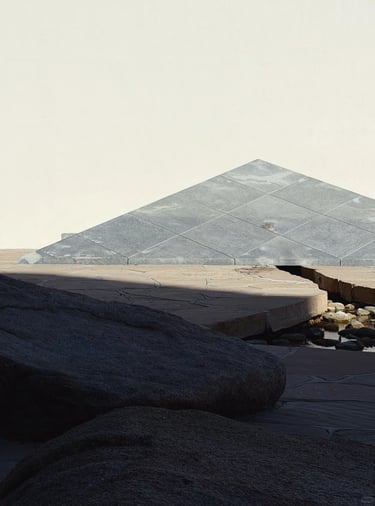
Isamu Noguchi showed that design can exist between art and everyday life. His lamps, tables and spaces remind us that a home is shaped not only by furniture, but also by light, material, shadow and proportion.
For small homes, balconies and quiet modern interiors, his ideas are still useful. Softer lighting can make a room feel warmer. Natural materials can add texture without clutter. Lighter furniture can make a compact space feel more open. A simple corner can become more meaningful when it is arranged with care.
Noguchi’s work does not suggest that a home should be perfect or empty. It suggests that the objects we live with should have a clear reason to be there.
That is why his design still feels relevant today.
A calm home is not created by decoration alone. It is created by the relationship between light, material and daily life.