Charlotte Perriand natural living design ideas | CozyNest Living
Explore Charlotte Perriand natural living design ideas and see how furniture, wood, light and nature can inspire calmer, warmer modern homes and small spaces.
DESIGNER STORIES
Charlotte Perriand: Designing a Life Closer to Nature
Some designers create objects.
Charlotte Perriand created a way of living.
Her work was never only about a chair, a shelf or a room. It was about how people move, rest, gather, breathe and feel inside a space. She believed that design should support daily life, not decorate it from a distance.
For CozyNest Living, her story feels especially meaningful.
A small balcony, a quiet outdoor corner, a wooden chair beside a window, a simple shelf filled with useful objects — these are not small details. They are the pieces that shape how a home feels every day.
Charlotte Perriand understood this deeply.

A Designer Who Looked Beyond Furniture
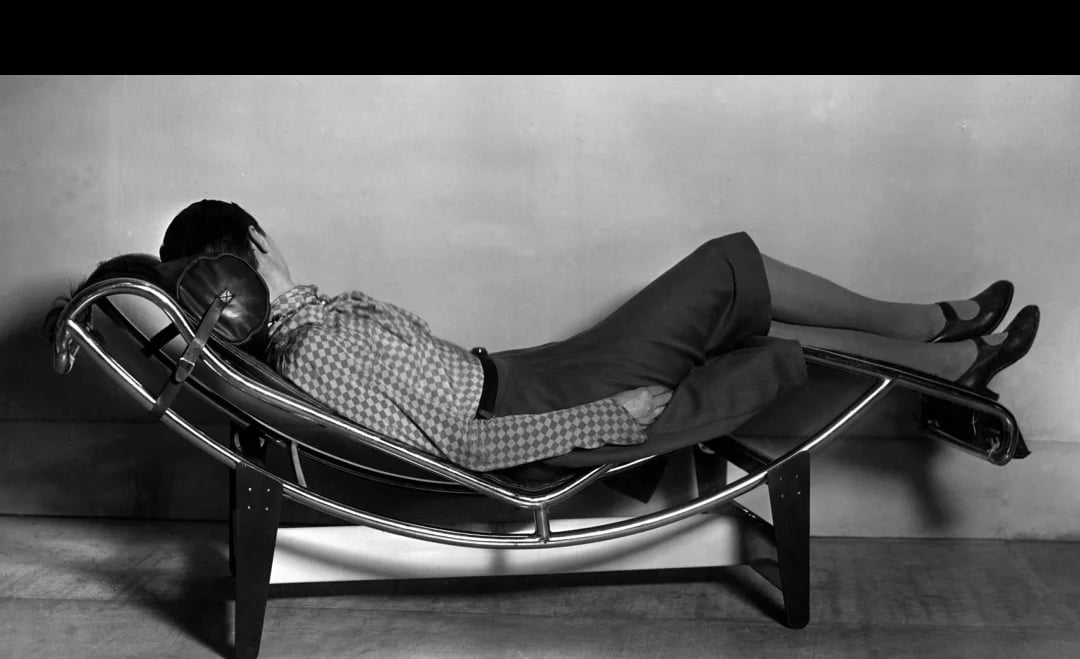
Charlotte Perriand was one of the most important designers of the modern movement, but her vision was warmer and more human than many people expect from modern design.
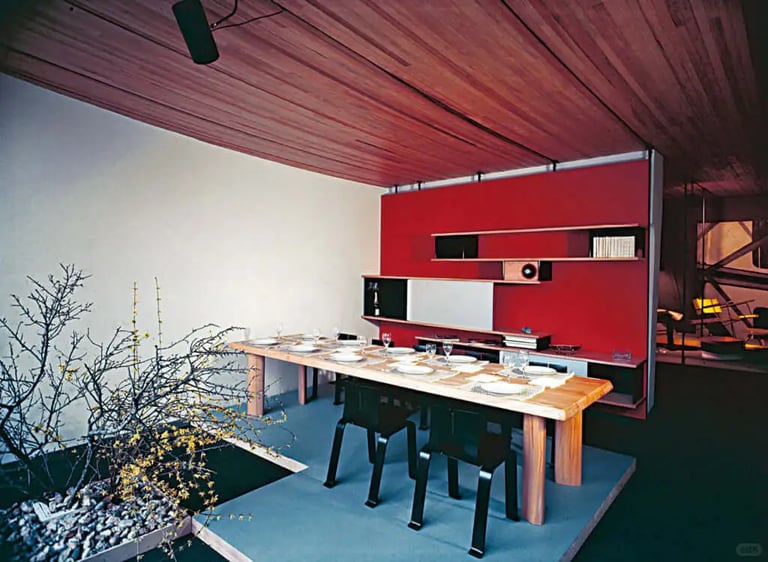
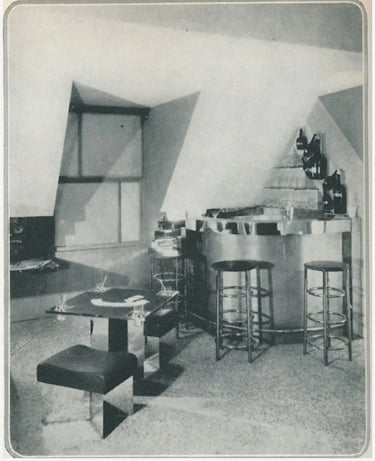
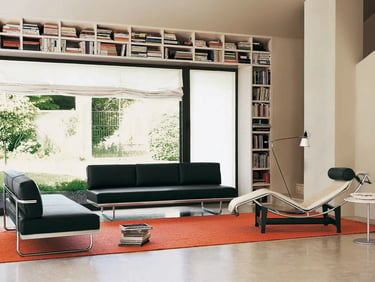
She worked with metal, glass, wood and natural materials. She explored furniture, interiors, architecture, mountain retreats and practical spaces for everyday life. Her designs were often simple, but never cold. They carried a sense of freedom, movement and usefulness.
She did not design for a perfect showroom.
She designed for people.
This is why her ideas still feel fresh today. Modern homes are often smaller. Many people live in apartments. Some have only a balcony instead of a garden. Some share their space with pets, plants, books and real daily routines.
Perriand’s work reminds us that good design does not need to be large, expensive or overly decorative. It needs to make life feel more comfortable, more open and more connected to the world outside.




Charlotte Perriand designed the Les Arcs project, a French mountain resort, in the 1960s.
Living With Nature, Not Away From It
One of the most beautiful parts of Charlotte Perriand’s story is her relationship with nature.
She was drawn to mountains, travel, outdoor life and natural landscapes. These influences shaped the way she thought about interiors. A home, for her, did not need to be separated from nature. It could respond to it.
A window could become part of the room.
A wooden surface could bring warmth into a modern space.
A simple seat could feel connected to light, air and landscape.
This idea is very important for small-space living. Even if we do not have a large garden or a mountain view, we can still bring a softer connection to nature into our homes.
A balcony with plants.
A chair near natural light.
A woven texture.
A wooden table.
A calm color palette.
A place to sit at the end of the day.
These small choices can change the atmosphere of a room.
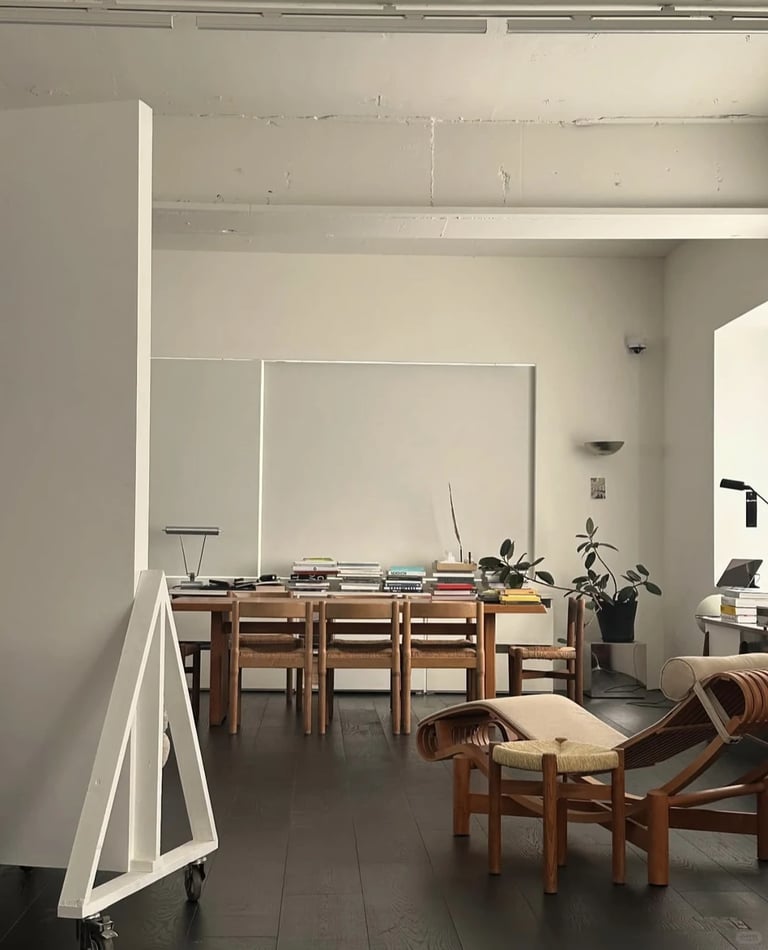
Perriand’s design philosophy helps us see that nature is not only something outside the home. It can be felt through materials, light, proportions, texture and the way a space gives us room to breathe.
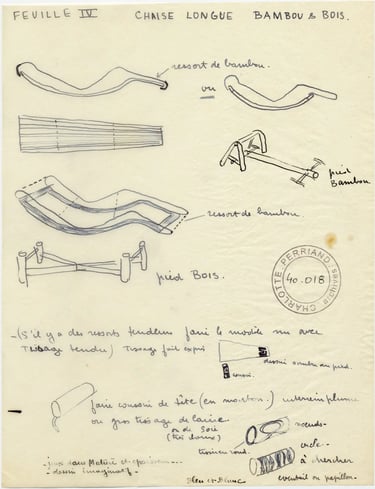
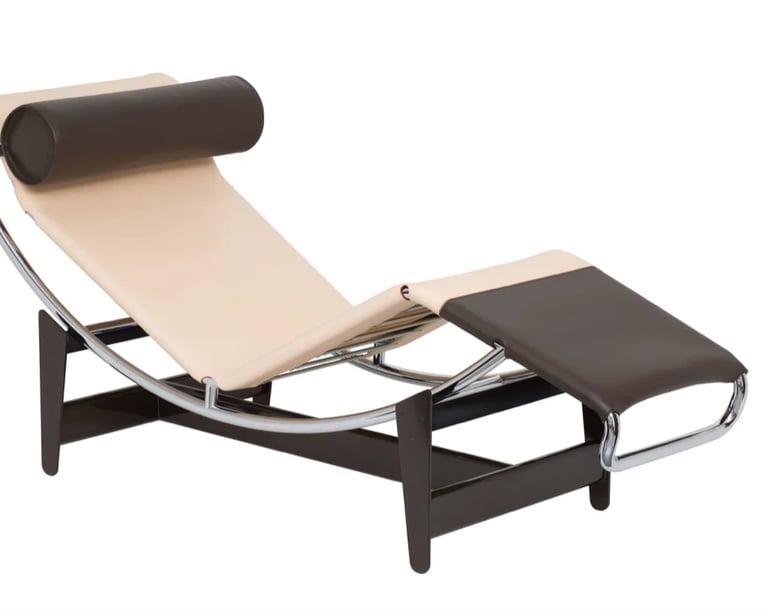
The Beauty of Practical Design
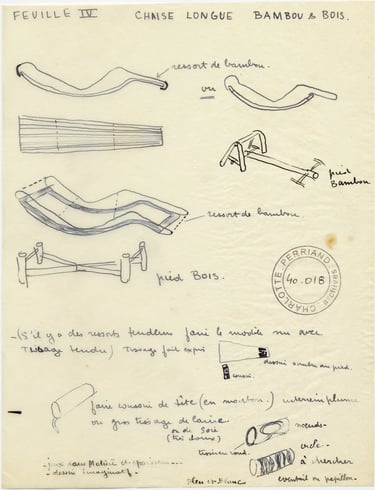
Charlotte Perriand’s work was beautiful, but it was also practical.
This is one reason her design still matters. She did not treat function as something boring. She saw function as part of beauty.
A chair should support the body.
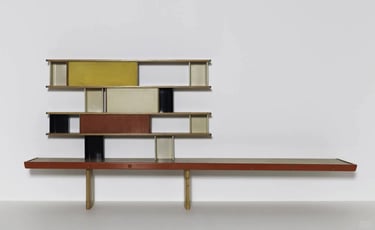
A shelf should make daily objects easier to live with.
A room should allow movement.
A home should help people feel more free, not more restricted.
This way of thinking is especially useful for modern apartments and small homes.
In a small space, every piece matters. A table that is too large can make the room feel heavy. A chair that looks beautiful but is uncomfortable may quickly become unused. A shelf that only decorates but does not organize can add visual noise.
Perriand’s work encourages us to choose fewer things, but better things.
Not necessarily more expensive things.
Better in feeling.
Better in proportion.
Better in material.
Better in how they support daily life.
This is a quiet but powerful idea.
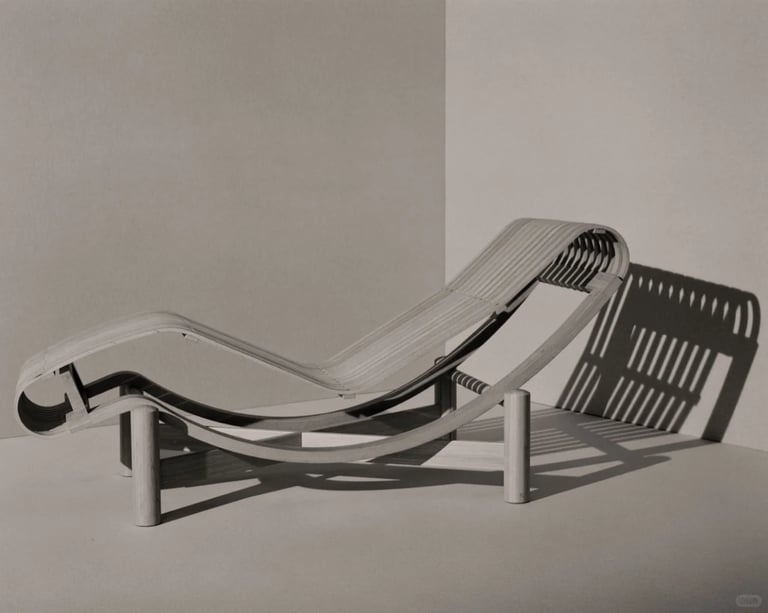
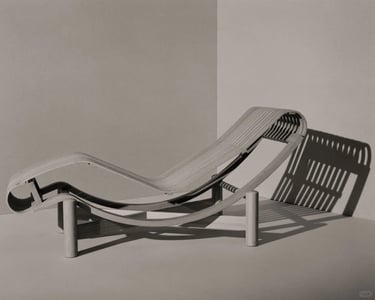
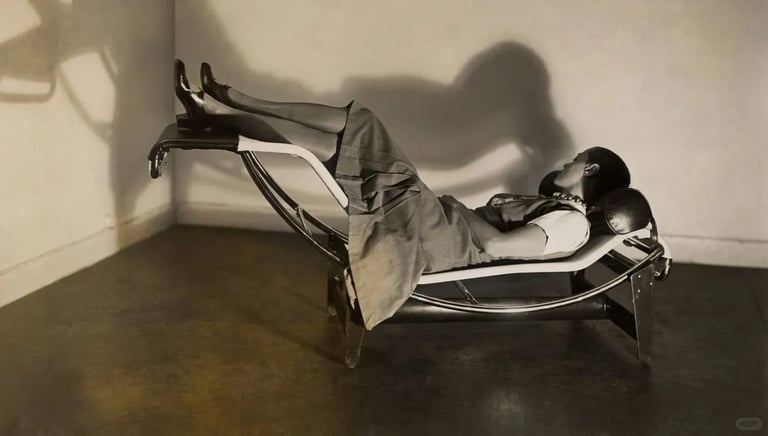

What Small Homes Can Learn From Charlotte Perriand
You do not need to own famous designer furniture to learn from Charlotte Perriand.
Her ideas can be used in very simple ways.
Choose materials that feel honest. Wood, linen, cotton, rattan, stone, metal and natural fibers often age more gracefully than overly shiny surfaces.
Let furniture serve real life. A chair should be comfortable. A small table should be easy to reach. A shelf should help organize, not only display.
Keep the room open where possible. Even a small apartment can feel calmer when there is visual breathing space.
Use natural light as part of the design. A corner near a window can become a reading spot, a plant corner or a quiet place for morning coffee.
Bring the outside closer. Plants, balcony seating, soft outdoor cushions and natural textures can make a home feel less closed in.
Think about movement. A good room should not feel blocked. It should allow people, pets and daily routines to move naturally.
These ideas are not complicated, but they are lasting.
They are also close to the heart of CozyNest Living: helping ordinary spaces feel more livable, beautiful and personal.
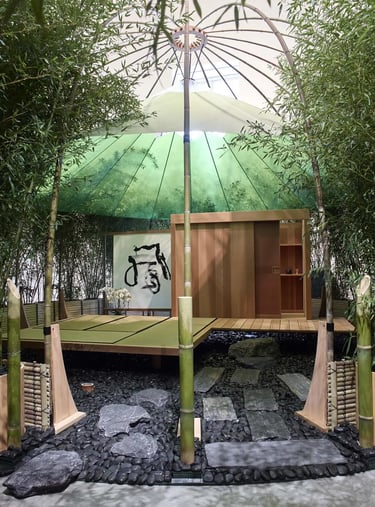
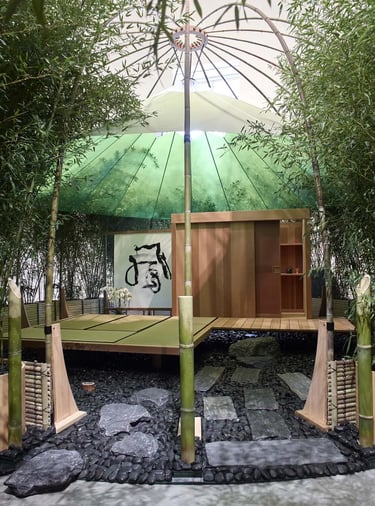
A Balcony Inspired by Perriand
If Charlotte Perriand’s ideas were translated into a small balcony today, it would probably not feel crowded or overly styled.
It might have a simple wooden chair.
A low table.
A few useful plants.
Soft outdoor fabric.
A warm light.
A view of the sky.
The space would not try too hard.
It would feel calm because every piece has a reason to be there.
This is a useful lesson for balcony living. Many small balconies become difficult to use because they are filled too quickly. Too many plants, too many decorations, too many furniture pieces and too many colors can make the space feel busy.
A better approach is to ask:
Where do I sit?
Where does the light fall?
What do I actually use?
What material feels good outdoors?
What makes this small space feel restful?
Perriand’s work reminds us that a balcony is not just an empty outdoor area. It can become a small extension of life.
A place to read.
A place to pause.
A place to feel air and light.
A place where home becomes softer.
Why Her Ideas Still Feel Relevant Today
Charlotte Perriand lived through a very different time, but many of her questions still feel modern.
How can design improve daily life?
How can homes be more practical and beautiful?
How can furniture serve real people?
How can modern living stay connected to nature?
How can small spaces feel free instead of limited?
These questions are still important now.
Many people today are trying to create calmer homes. They want less clutter, more comfort and more connection with nature. They may not have a large house. They may rent an apartment. They may share their home with a cat, a partner, children or houseplants. They may only have a narrow balcony.
But the desire is the same.
To make home feel better.
This is where Perriand’s design story becomes more than history. It becomes a useful way to look at our own rooms.
Final Thoughts
Charlotte Perriand teaches us that design is not only about objects.
It is about life.
Her work reminds us that furniture should support the body, materials should speak honestly, and rooms should help people feel more connected to nature and to themselves.
For small homes, balconies and quiet everyday corners, this lesson feels especially valuable.
We may not live in a mountain retreat.
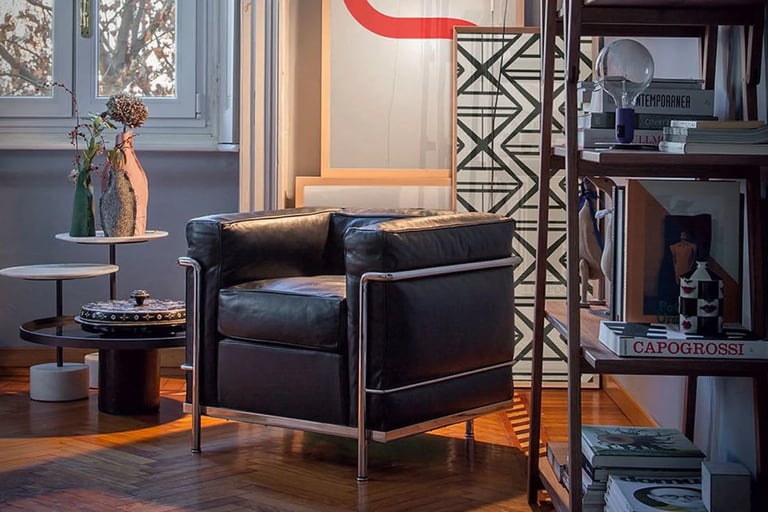
We may not own a famous modernist chair.
We may not have a large garden.
But we can still create spaces that feel thoughtful, warm and alive.
A simple chair.
A wooden surface.
A soft light.
A plant by the window.
A balcony that gives us a moment of air.
Sometimes, that is enough.
And perhaps that is the most lasting beauty of Charlotte Perriand’s work: she showed that modern living could still feel human.