Why William Morris Still Inspires Cozy Living Today | CozyNest Living
Discover how William Morris’s philosophy of beauty, craftsmanship, and everyday living continues to inspire modern homes, interiors, and cozy living spaces today.
DESIGNER STORIES
More than a designer, William Morris believed that beauty should be part of everyday life. More than a century later, his ideas continue to inspire the way we create warm, comfortable and meaningful homes.
A Different Way of Thinking About Home
Modern homes are filled with choices.
We can buy furniture from almost anywhere, decorate with endless accessories and constantly follow new design trends. Yet many spaces still feel incomplete. They may look beautiful in photographs, but they do not always feel comfortable to live in.
This is where the ideas of William Morris remain surprisingly relevant.
Morris was a British designer, writer and thinker who believed that beauty should not be reserved for museums or luxury palaces. Instead, he believed beauty belonged in everyday life.
His philosophy was simple:
A home should be both useful and beautiful.
More than a hundred years later, this idea still feels remarkably modern.
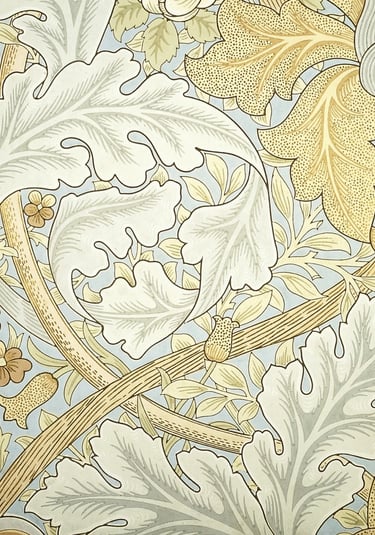
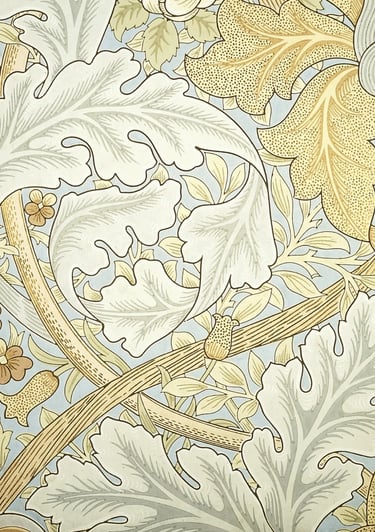
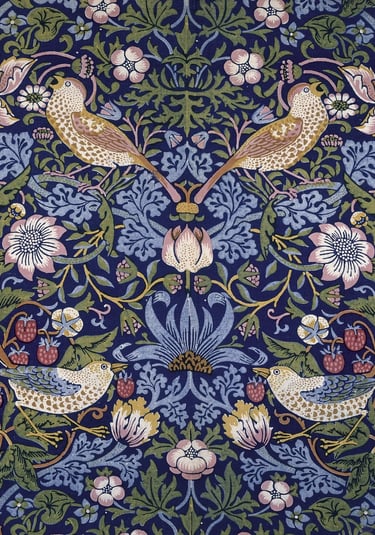
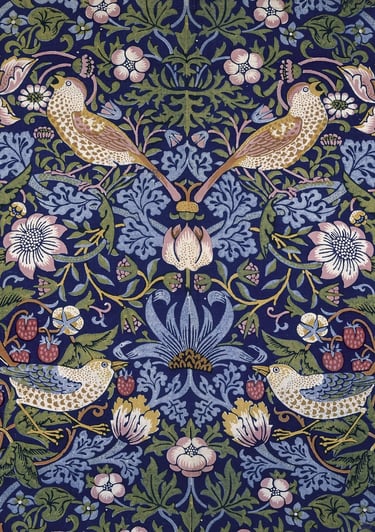
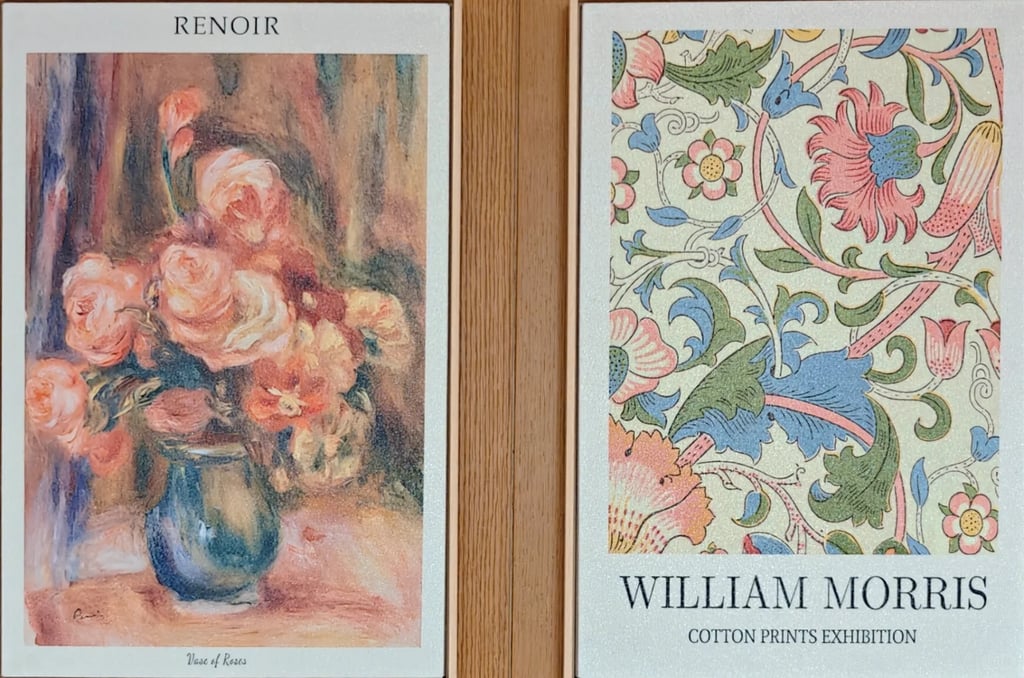
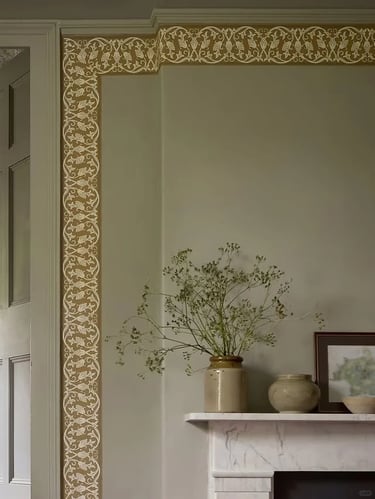
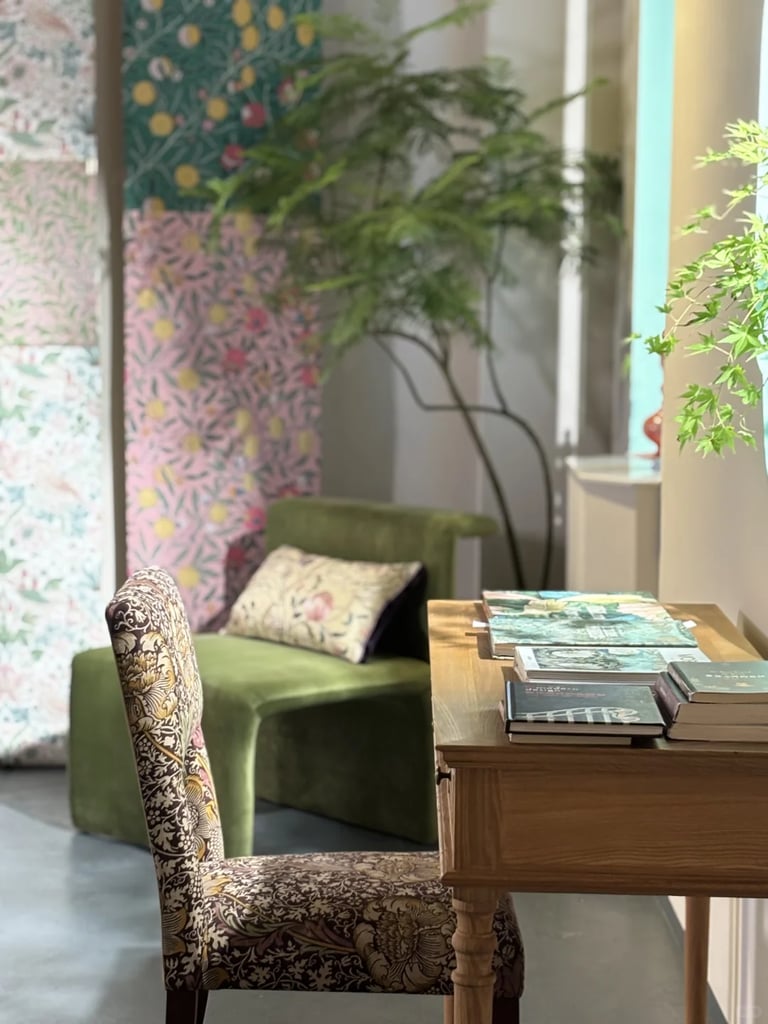
Two prints hang side-by-side in the office area, one by Renoir and the other by Maurice. Maurice's works reveal influences from both Europe and the East, and his influence can also be seen in later Art Nouveau movements.
Beauty and Usefulness Should Live Together
One of Morris's most famous ideas is often quoted today:
"Have nothing in your house that you do not know to be useful, or believe to be beautiful."
While design trends have changed dramatically since his time, this principle remains timeless.
Many people assume that creating a cozy space requires buying more things.
More decorations.
More furniture.
More accessories.
But Morris believed the opposite.
A meaningful home is not created through quantity.
It is created through intention.
A small balcony can become a favorite retreat with only a comfortable chair, soft lighting and a few carefully chosen plants.
A quiet garden corner does not need elaborate decoration to feel welcoming.
Sometimes the most comfortable spaces are also the simplest.
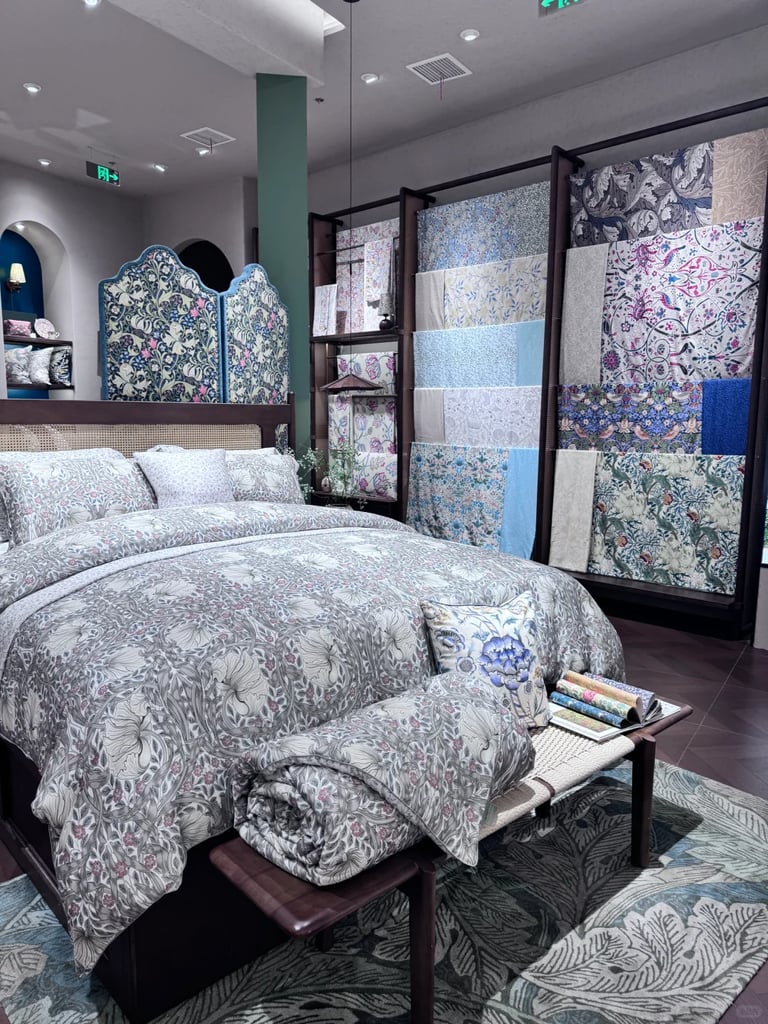


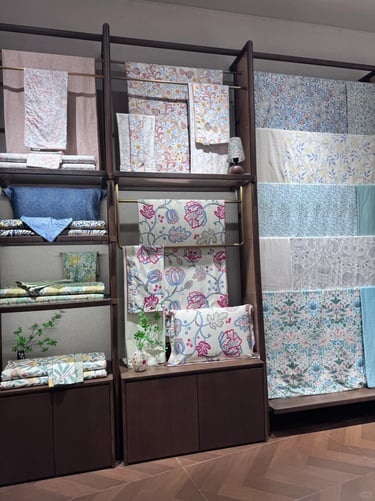
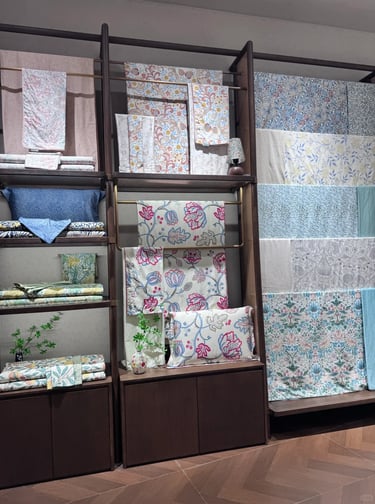
"Have nothing in your houses that you do not know to be useful, or believe to be beautiful."
— William Morris
The Beauty of Natural Materials
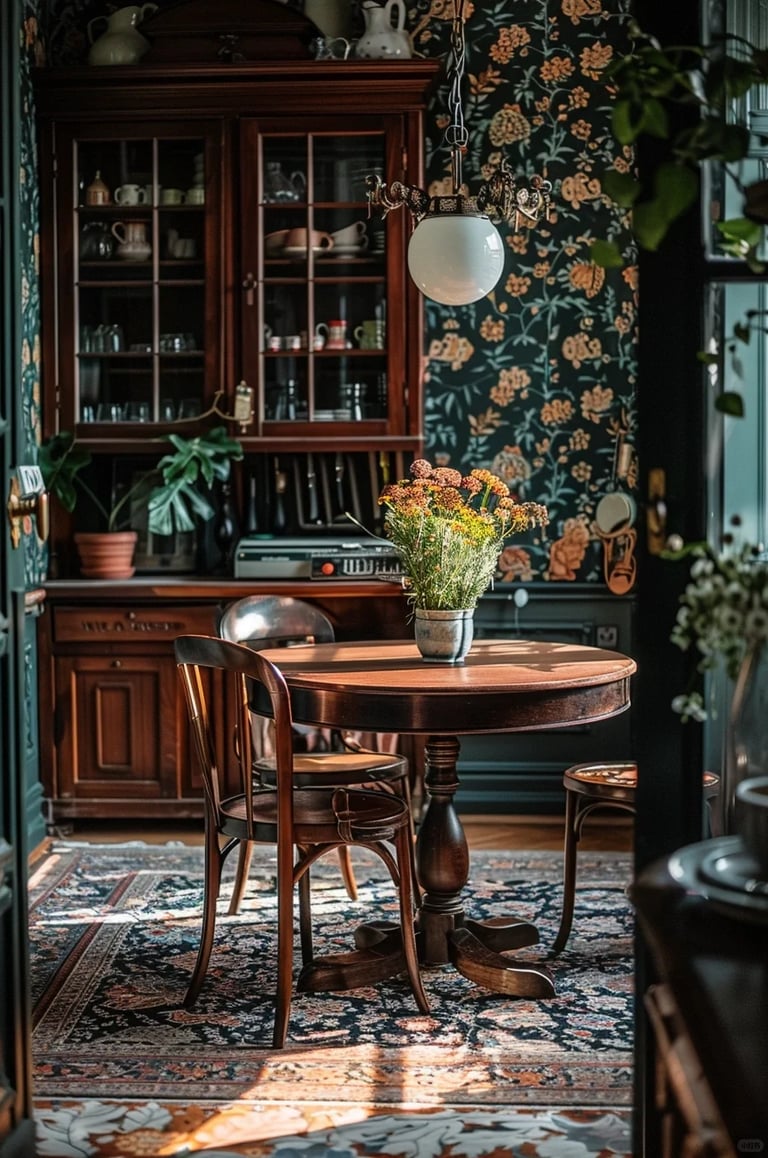
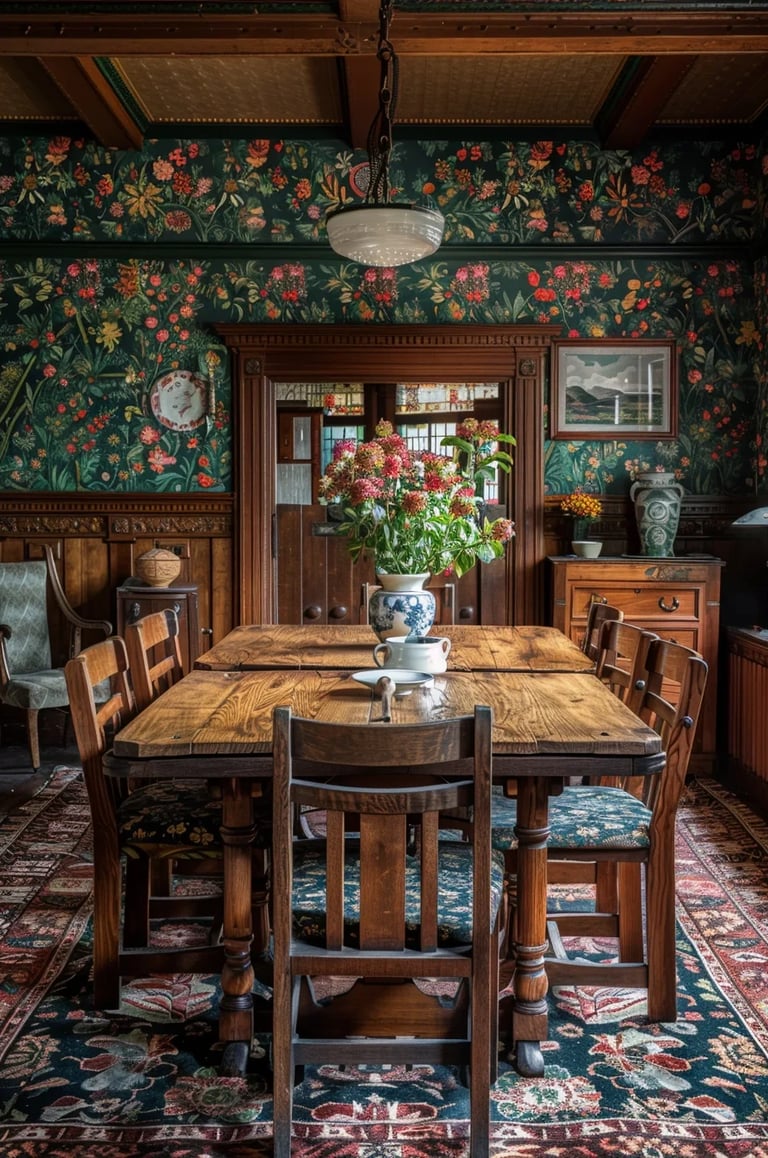
William Morris admired craftsmanship and natural materials.
He appreciated the textures of wood, linen, cotton and stone because they connected people with nature and everyday life.
Unlike materials that quickly feel outdated, natural materials often become more attractive over time.
Wood develops character.
Stone gains texture.
Fabric softens through use.
These changes tell a story.
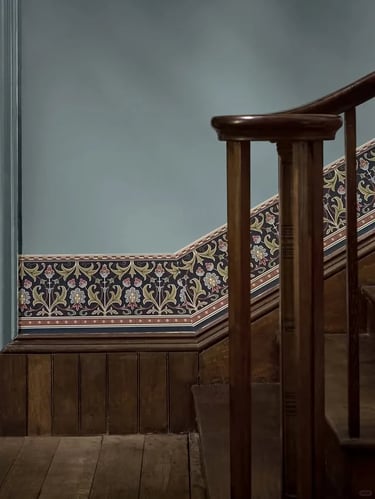
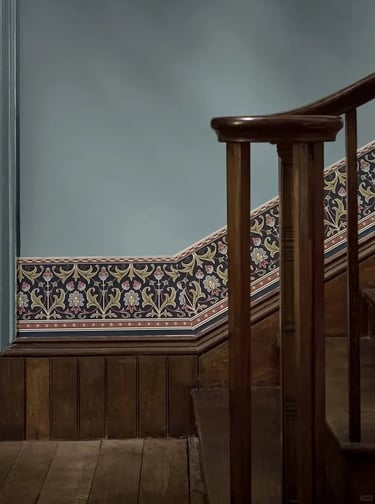
Rather than hiding signs of age, Morris believed that objects should reflect the lives of the people who use them.
This idea continues to influence modern Scandinavian interiors, outdoor living spaces and cozy home design around the world.
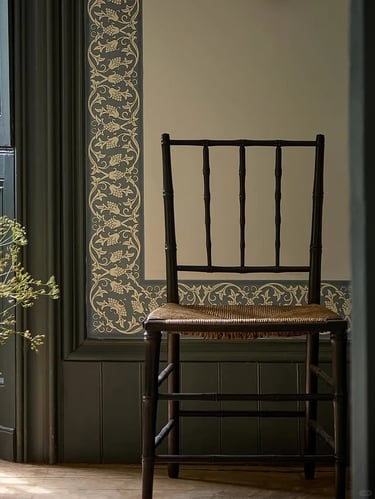
A weathered wooden bench, a linen cushion or a handmade ceramic planter can bring a sense of authenticity that mass-produced perfection often lacks.
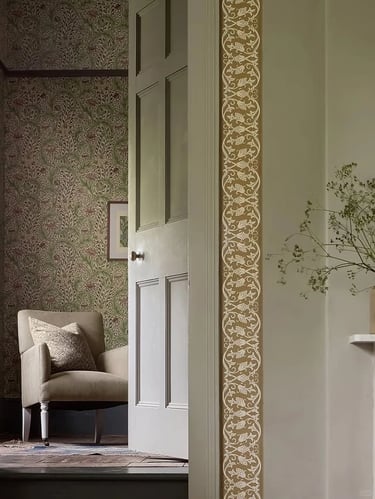
A Home Should Reflect Life
One reason Morris's philosophy feels so relevant today is that it focuses on people rather than decoration.
The most memorable spaces are rarely the most perfect.
They are the spaces where life happens.
A balcony where someone reads at sunset.
A garden filled with seasonal flowers and changing light.
A quiet corner where a cat spends the afternoon sleeping.
A dining table surrounded by conversations.
These moments give meaning to a space.
Furniture, lighting and decoration are important, but they are not the goal.
The goal is creating an environment where everyday life feels richer, calmer and more enjoyable.
Finding Comfort in Simplicity
In a world filled with constant noise, many people are rediscovering the value of simplicity.William Morris understood something that remains true today:Comfort is not about luxury.It is about connection.Connection to nature.Connection to craftsmanship.Connection to the people and experiences that make a house feel like home.This does not require a large garden or an expensive renovation.Even a small balcony can become a peaceful retreat when designed with care.A few plants, warm lighting and thoughtfully chosen furniture can transform an ordinary space into somewhere people genuinely want to spend time.
What We Can Learn From William Morris Today
More than a century after his work began, William Morris continues to inspire designers, homeowners and anyone searching for a more meaningful way to live.His message remains surprisingly simple:Choose fewer things.Choose better things.Value natural materials.Create spaces that support everyday life.And most importantly, surround yourself with things that are either useful, beautiful or ideally both.Because true comfort does not come from following trends.It comes from creating a home that reflects who we are and how we want to live.
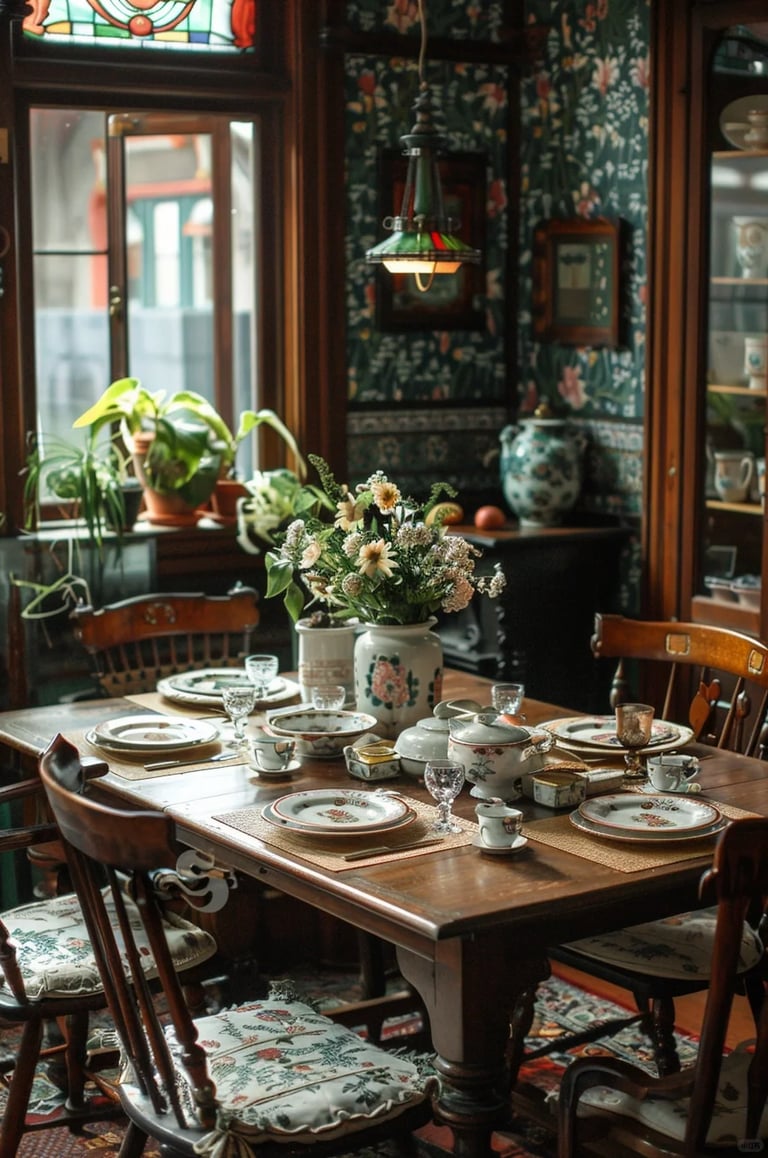
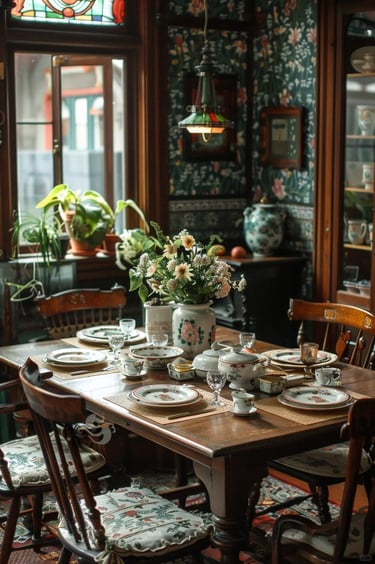
A Lasting Inspiration
William Morris reminded us that good design is not about impressing others.
It is about improving daily life.
Whether it is a cozy balcony, a peaceful garden or a favorite corner shared with a beloved pet, the most beautiful spaces are often the ones that feel authentic, personal and lived in.
And perhaps that is why his ideas continue to inspire us today.
Continue Exploring
If you enjoy William Morris's philosophy of beauty, craftsmanship, and meaningful living, you may also appreciate the naturalistic garden ideas of Piet Oudolf and the timeless Scandinavian simplicity of Hans Wegner.