Alvar Aalto Nordic modern living design ideas | CozyNest Living
Explore Alvar Aalto Nordic modern living design ideas through warm wood, soft curves, natural light and practical furniture for calmer homes, balconies and small spaces.
DESIGNER STORIES
Alvar Aalto: The Warm Side of Nordic Modern Living
Modern design is often imagined as clean, white and quiet.
Sometimes, it can also feel cold.
Alvar Aalto showed another way.
His work reminds us that modern living does not need to be hard, empty or distant from nature. It can be warm. It can be practical. It can carry the feeling of wood, light, air and daily comfort.
For CozyNest Living, Aalto’s story feels especially close to home.
We often think about small balconies, calm outdoor corners, pet-friendly rooms and natural materials. These are not only decoration topics. They are about how real people live inside limited spaces and how small design choices can make everyday life feel softer.
Aalto understood this kind of warmth.
He did not simply design beautiful objects. He helped shape a gentler idea of modern living.
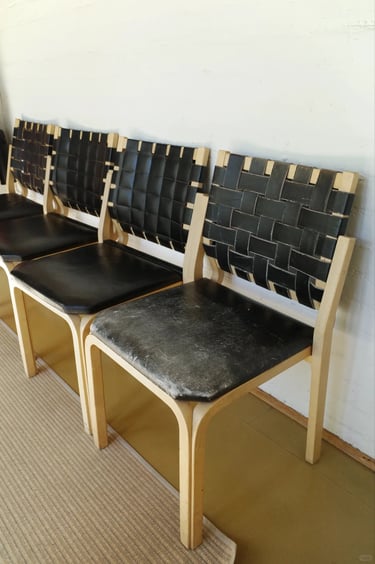
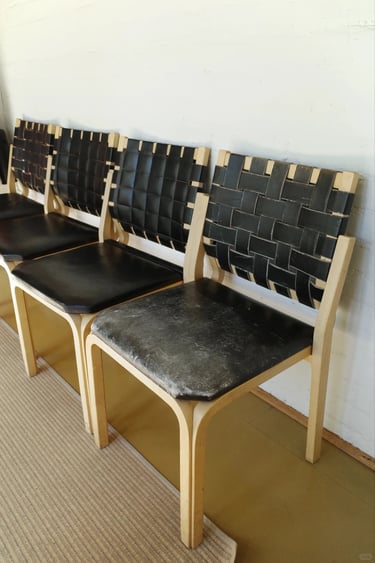
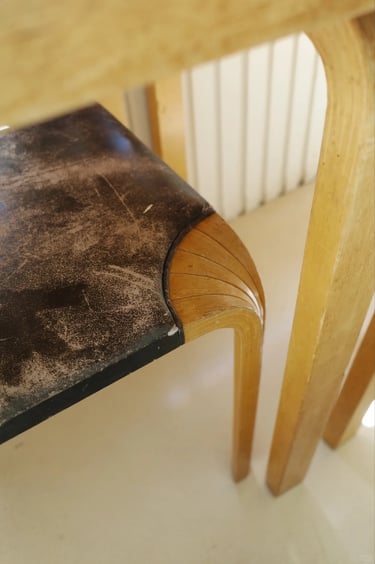
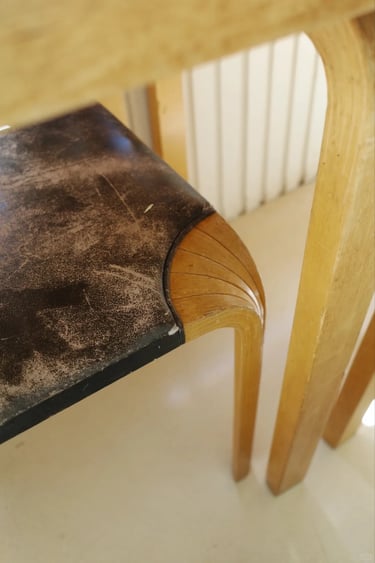
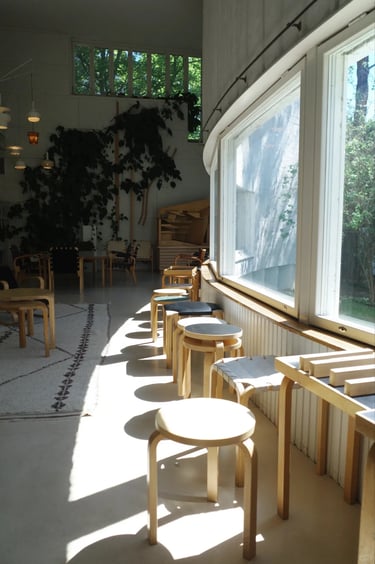
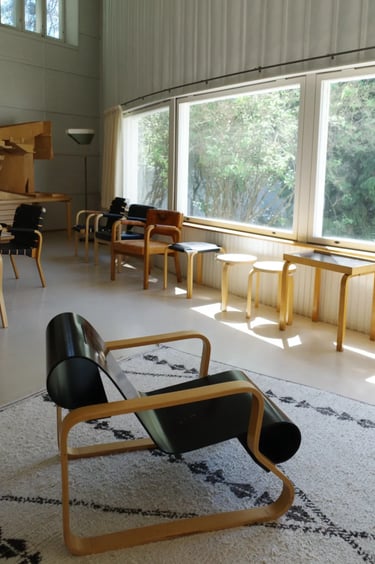
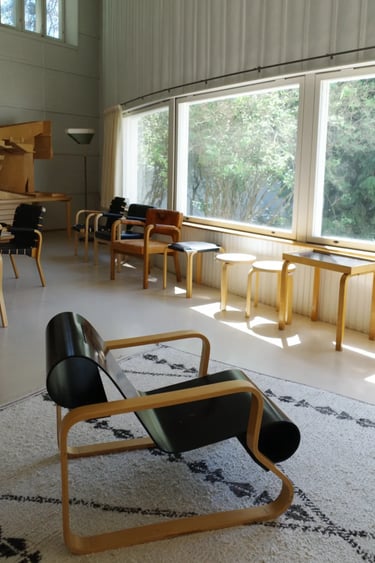
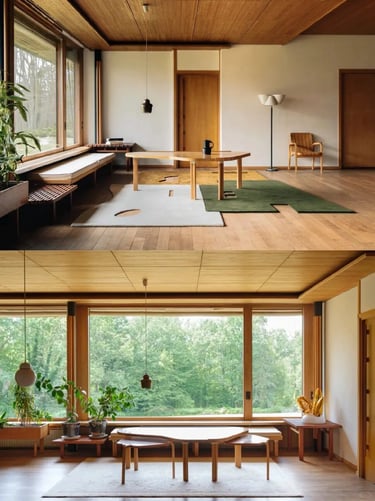
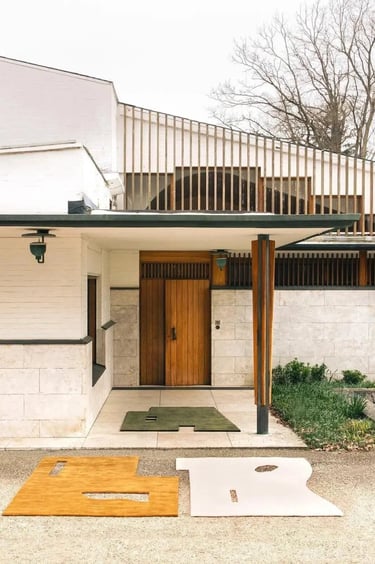
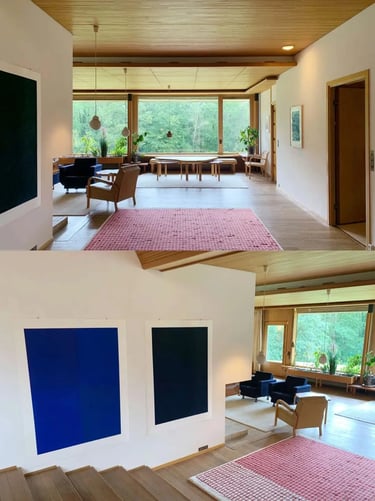
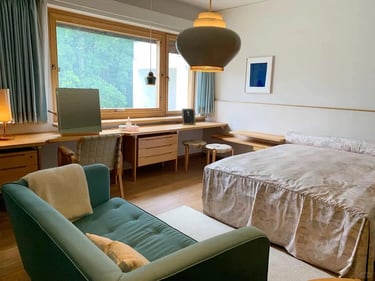
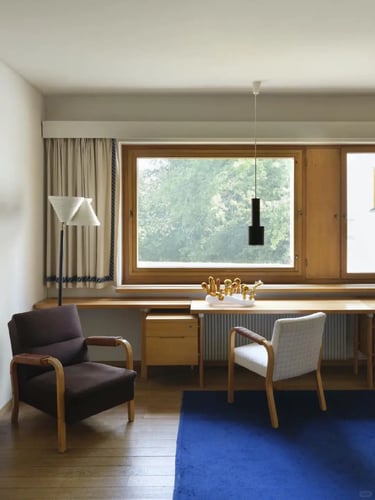
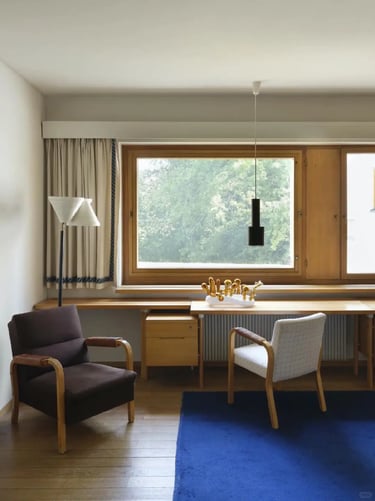
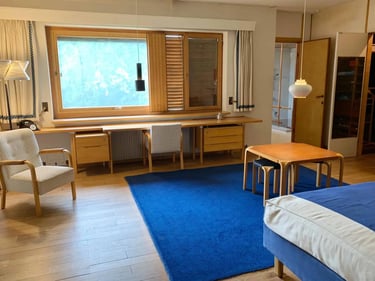
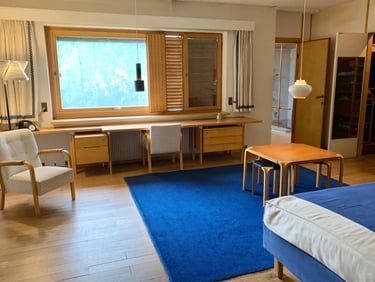
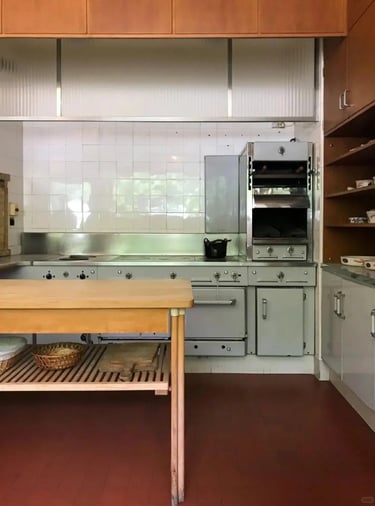
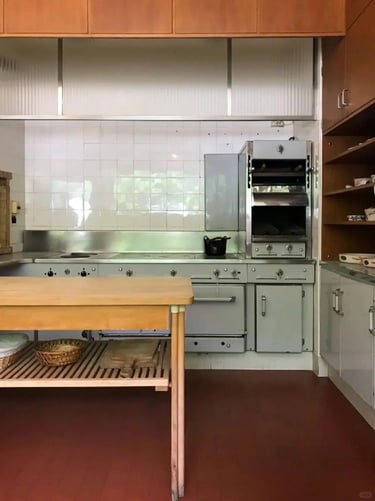
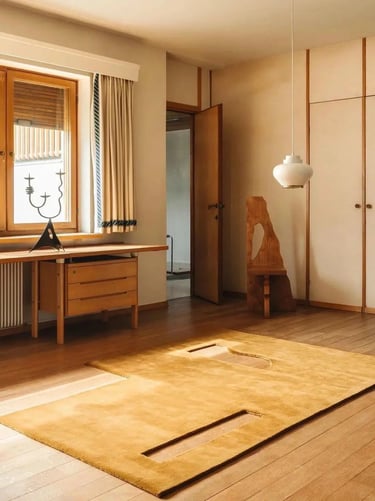
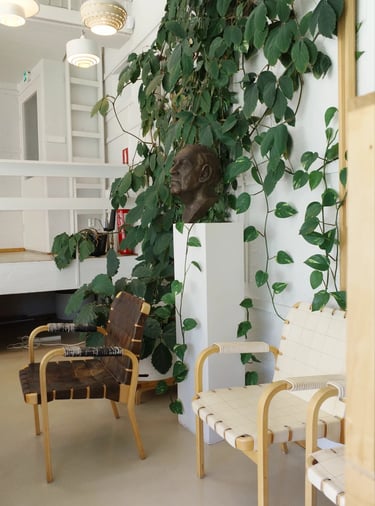
Real photo of Alvar Aalto Studio
A Softer Kind of Modern Design
Alvar Aalto was one of the most important figures in Nordic modern design, but his work never felt purely mechanical.
Many modern designers of the early twentieth century were interested in steel, glass, straight lines and industrial production. Aalto understood those ideas, but he softened them. He brought in curves, wood, natural light and a strong concern for human comfort.
This is what makes his work still feel relevant today.
A home is not a gallery.
A chair is not only a shape.
A room is not only a plan.
A good space should support the body, calm the mind and make everyday routines easier. Aalto’s designs often feel modern, but they do not feel cold. They have rhythm, softness and a quiet relationship with nature.
This is why his work fits so naturally into today’s cozy living ideas.
Many people want a home that feels simple, but not empty. Clean, but not lifeless. Modern, but still warm.
Aalto’s work shows that this balance is possible.
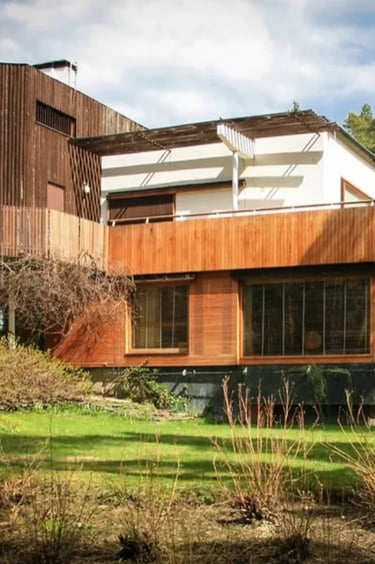
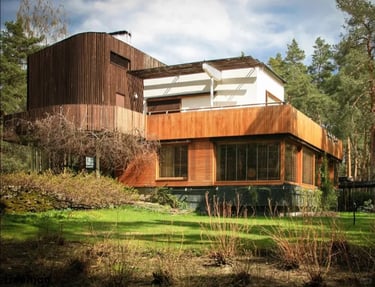
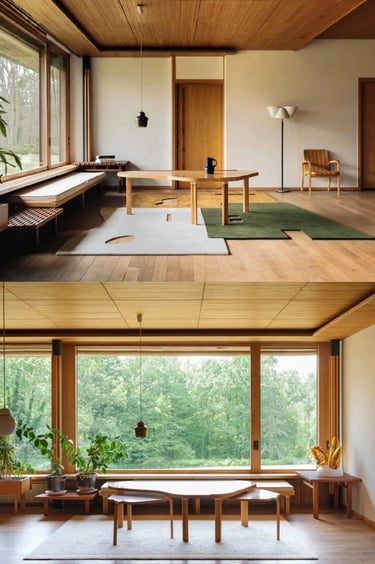
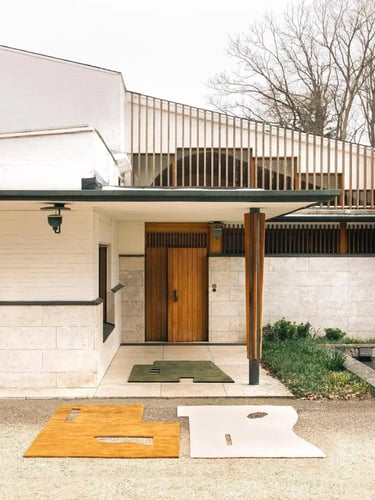
Why Wood Matters in Aalto’s Work
Wood is one of the strongest feelings in Aalto’s design world.
It gives modern spaces a warmer surface. It softens clean lines. It connects furniture to forests, craft and natural texture.
In many homes, wood is what prevents a modern room from feeling too cold. A light wooden chair, a small birch table, a simple shelf or a warm-toned stool can completely change the atmosphere of a space.
This is especially important for small homes.
Small apartments can easily feel crowded when there are too many colors, heavy materials or oversized furniture pieces. Wood helps create calm without making the room feel empty. It brings visual warmth while still feeling simple and practical.
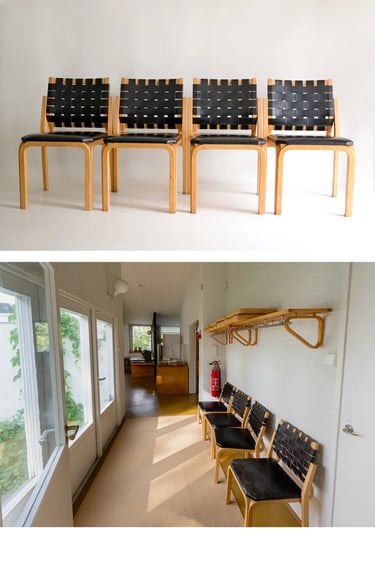
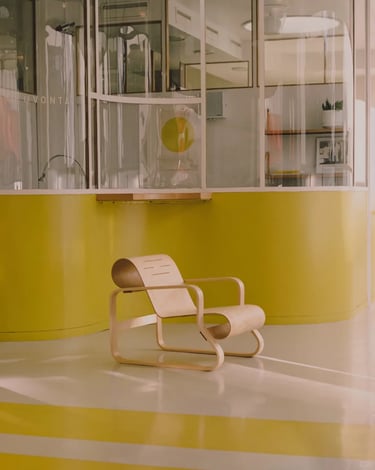
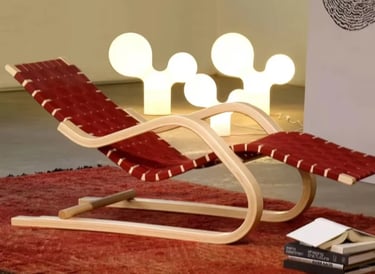
Aalto’s approach to wood was not only decorative. It was also structural and emotional.
The curve of a chair leg.
The bend of plywood.
The smooth edge of a stool.
The natural tone of a surface.
These details make furniture feel closer to the body and closer to nature.
For modern homes, this lesson is simple:
Choose materials that feel honest.
A small space does not need many objects. It needs the right materials. Wood, cotton, linen, wool, rattan, paper, stone and soft matte finishes often feel more peaceful than glossy or overly artificial surfaces.
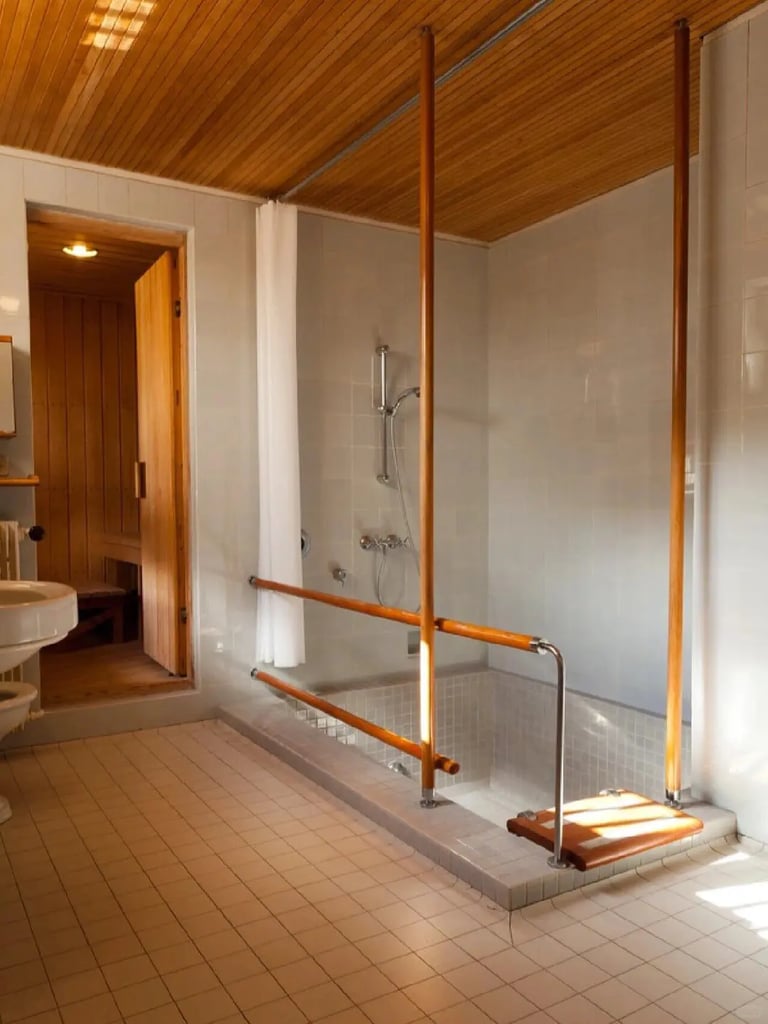
Click the image to read our blog about materials.
Furniture Made for Real Life
Aalto’s furniture has a quiet practicality.
It does not shout for attention. It works with the room.
This is an important idea for everyday living. Many people buy furniture because it looks good in a photo, but after a few weeks, real life reveals the truth. Is the chair comfortable? Is the table useful? Is the stool easy to move? Does the shelf help organize the room, or does it only add more visual noise?
Good furniture should become part of daily life.
It should be easy to use.
Easy to move.
Easy to live with.
Easy to understand.
Aalto’s designs often have this kind of directness. They feel thoughtful without feeling complicated.
This is useful for small homes, balconies and multipurpose spaces. A small stool can become a side table, plant stand or extra seat. A simple wooden chair can move from a dining corner to a balcony. A low table can support coffee, books, plants or quiet evening light.
In a small home, flexibility matters.
The best furniture is not always the largest or most impressive piece. Sometimes it is the piece you use every day without thinking too much about it.
Aalto’s work reminds us that practicality can be beautiful when it is handled with care.
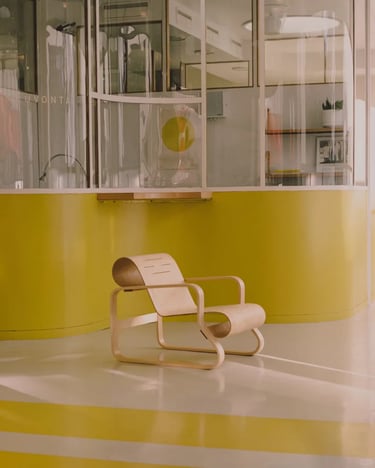
Natural Light as Part of the Room
Nordic living is deeply connected to light.
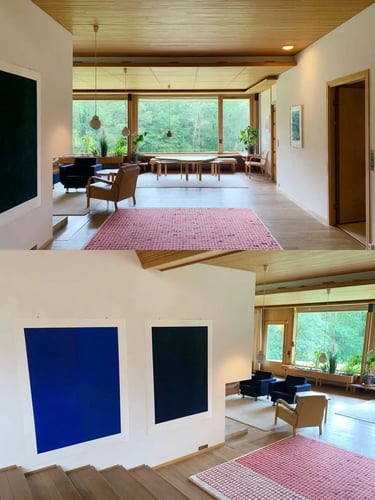
In northern climates, daylight changes the feeling of a room. It can be soft, low, bright, gray or golden. Aalto understood that light was not just something that entered a building. It was part of the design itself.
This idea can help us think about our own homes.
A room becomes warmer when furniture responds to light.
A chair near a window becomes a reading corner.
A wooden table catches afternoon sun.
A plant softens the edge of a balcony door.
A small lamp creates evening comfort after daylight fades.
Even a very simple room can feel beautiful when light is treated carefully.
For small spaces, this matters even more. A narrow apartment or compact balcony may not have much floor area, but it may still have a window, a patch of sun or a view of the sky.
That small source of light can become the center of the space.
Instead of filling every corner, start with the light.
Where does morning light land?
Where does the room feel calm in the afternoon?
Where would a chair feel natural?
Where could a plant grow?
Where does the home already feel soft?
Aalto’s warm modernism encourages us to design with these quiet details.
What Small Homes Can Learn From Alvar Aalto
You do not need to own an Aalto chair to learn from his design philosophy.
His ideas can be applied in simple ways.
First, choose furniture with a clear purpose. In a small home, every piece should earn its place. A chair should be comfortable. A table should be useful. A shelf should help the room feel more ordered.
Second, use wood to add warmth. Light wood, bentwood, natural grain and soft edges can make a room feel calmer without adding clutter.
Third, avoid making modern spaces too cold. Clean lines are useful, but they need texture. A linen cushion, a woven basket, a wool throw or a plant can make simple furniture feel more human.
Fourth, keep movement in mind. A good small room should not feel blocked. Leave enough space to walk, clean, open doors and live naturally.
Fifth, let light guide the layout. A window corner can become the emotional center of a small apartment.
These ideas are not complicated, but they are powerful.
They help a home feel less like a collection of objects and more like a place for real life.
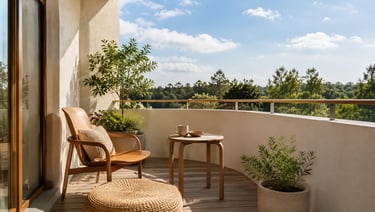
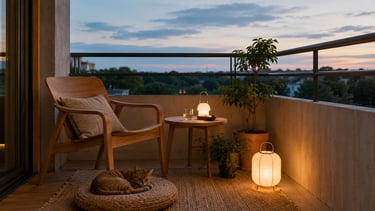
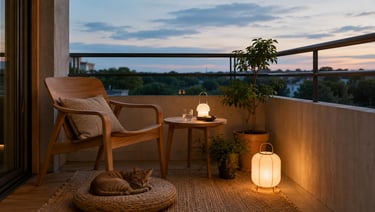
A Balcony Inspired by Aalto
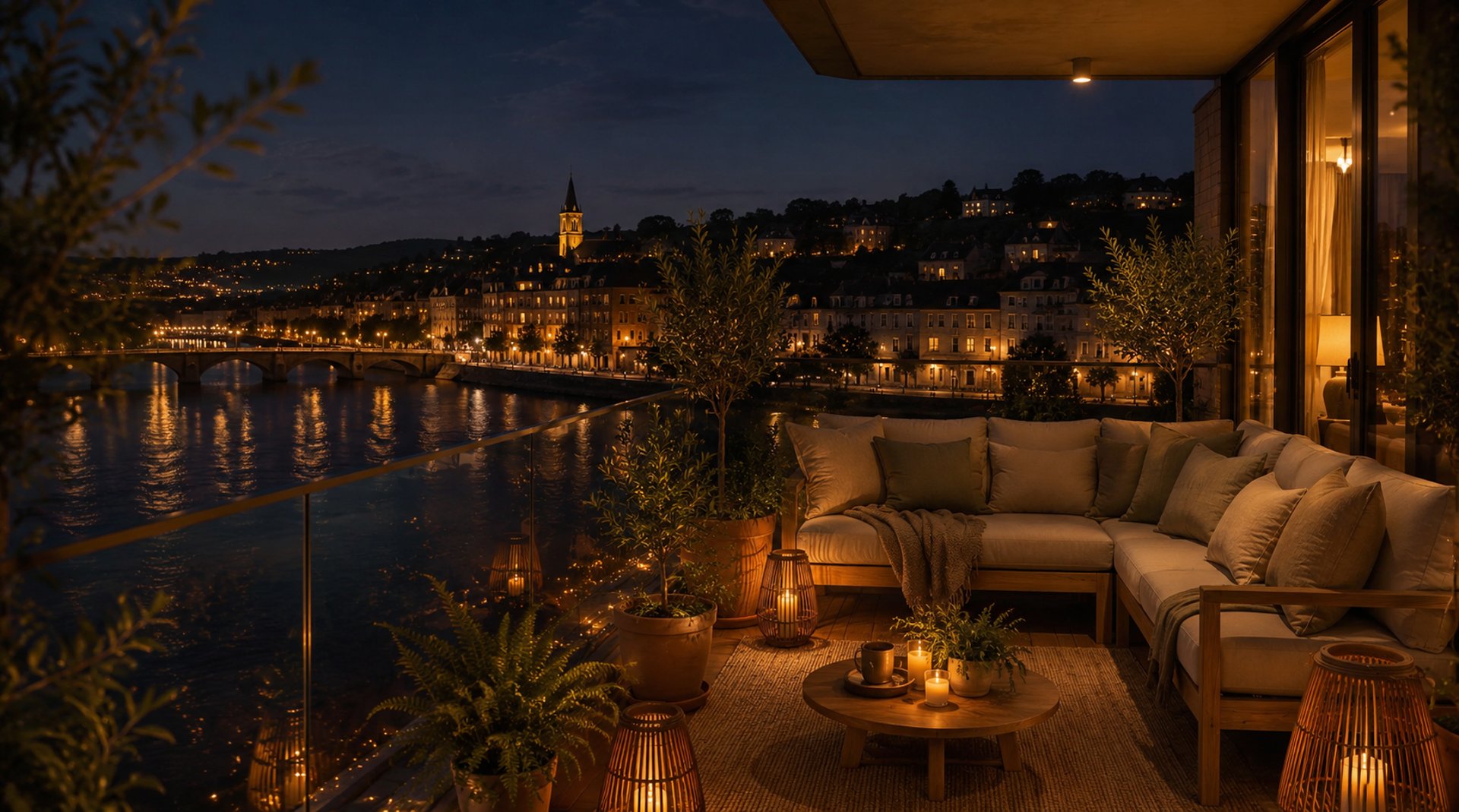
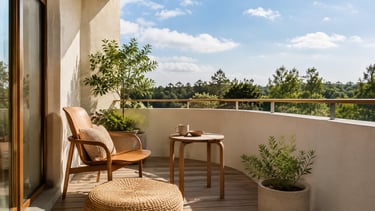
If we imagine a small balcony inspired by Alvar Aalto, it would not need to be dramatic.
It might have a simple wooden chair.
A small round table.
A woven outdoor cushion.
One or two plants.
A soft lamp or lantern.
A clear view of the sky.
The feeling would be calm, warm and practical.
Not crowded.
Not overly styled.
Not filled with objects that only look good for a photo.
Aalto’s spirit would suggest that a balcony should be useful first. It should give you a reason to step outside.
A morning coffee.
An evening book.
A quiet moment with a pet.
A place to breathe after work.
A small corner of nature connected to home.
For many people, a balcony is not large enough to become a full outdoor room. But it can still become a meaningful part of daily life.
The key is to keep the design honest.
Choose furniture that fits the scale.
Use materials that feel natural.
Avoid too many decorations.
Let plants soften the space.
Keep one comfortable place to sit.
A small balcony does not need to look perfect. It needs to feel usable.
That is a very Aalto-like idea.
Warm Nordic Living for Today
Today, Nordic style is often copied as a visual look: pale walls, light wood, simple chairs and neutral colors.
But the deeper lesson is not only about appearance.
The real value of Nordic modern living is its relationship with comfort, nature and daily rhythm.
Aalto’s work helps us see that warmth does not always come from decoration. It can come from proportion, material, light and usefulness.
This is especially important now, when many people are trying to make smaller homes feel more livable.
We do not always need more space.
Sometimes we need better choices.
These choices may seem ordinary, but they shape how home feels every day.
Final Thoughts
Alvar Aalto showed that modern living could have warmth.
His work reminds us that simplicity does not need to feel cold, and practicality does not need to feel plain. Through wood, curves, light and human-centered thinking, he helped create a softer version of modern design.
For small homes, balconies and cozy everyday spaces, this lesson still matters.
Sometimes, the best spaces are quiet.
That is the warm side of Nordic modern living.
And it is why Alvar Aalto still feels so relevant today.