How to Hide Cat Essentials at Home | CozyNest Living
Learn how to hide cat essentials at home with litter box furniture, calm pet zones, toy baskets and simple storage ideas for a cleaner, cozier and more organized living space.
PET LIVING
How to Hide Cat Essentials Without Making Your Home Look Messy
A pet-friendly home should still feel like a home.
For many cat owners, the challenge is not living with a cat. It is living with everything a cat needs.
A litter box in the wrong corner.
Toys scattered across the floor.
Food bowls placed wherever there is space.
A pet bed that feels separate from the rest of the room.
Cleaning tools and supplies with no proper place to go.
In a small apartment, these everyday items can quickly make the home feel crowded, even when the space is clean.
But cat essentials do not always need to be hidden completely. They need to be placed with more intention.
The goal is not to make your home look like there is no cat. The goal is to create a space where your cat can live comfortably while your home still feels calm, warm and organized.
Why Cat Essentials Make Small Homes Feel Messy
Small homes are sensitive to visual clutter.
In a larger room, a few extra objects may not feel noticeable. In a small apartment, every basket, bowl, litter box and pet bed becomes part of the room’s appearance.
This is why cat essentials can make a space feel messy even when they are useful and clean.
The problem is usually not that you own too many cat items. The problem is that they do not have a clear place.
When a toy sits near the sofa, a food bowl sits near the kitchen, a cat bed sits in a random corner and the litter box sits somewhere else, the room begins to feel visually interrupted.
Each item may make sense on its own, but together they can make the home feel unfinished.
A better approach is to think of cat essentials as part of the home layout.
Where does your cat eat?
Where does your cat rest?
Where does your cat hide?
Where does your cat play?
Where do the less attractive items need to go?
Once every cat essential has a clear purpose and location, the home starts to feel more settled.
Give the Litter Box a Quiet, Furniture-Like Place
The litter box is usually the most difficult cat essential to style.
It needs to be easy for your cat to access. It also needs to be easy for you to clean. At the same time, it can easily become the first thing people notice in a small home.
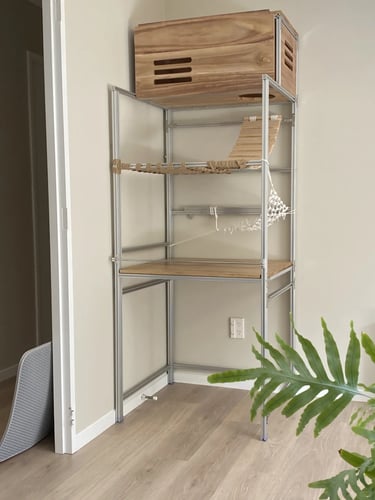
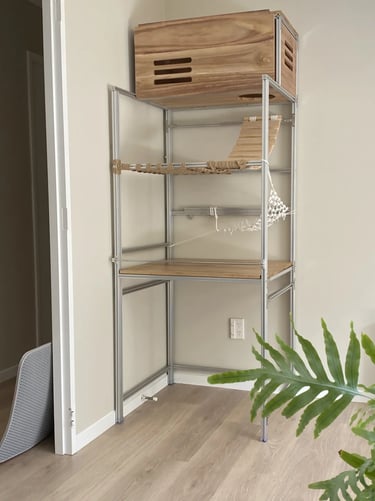
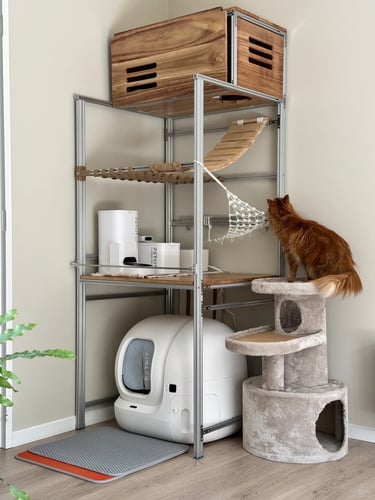
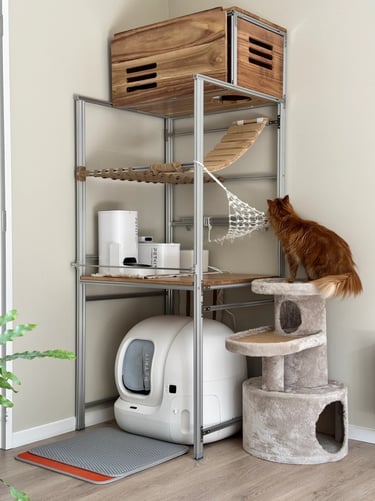
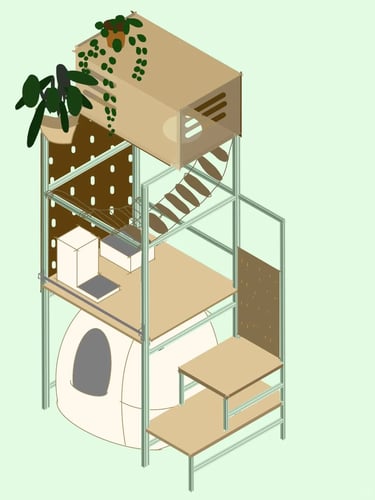
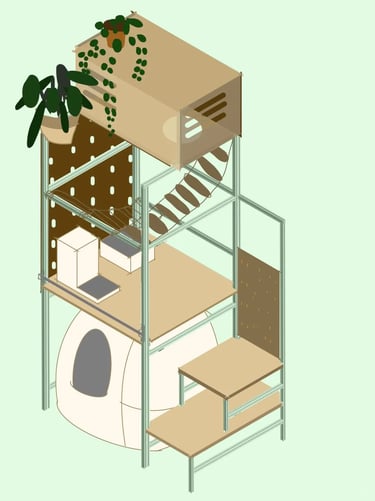
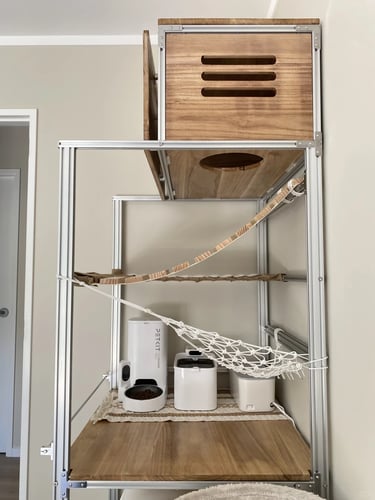
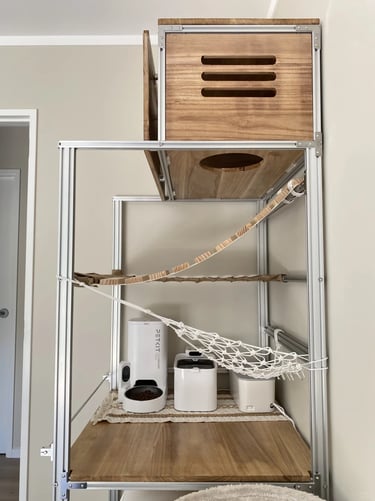
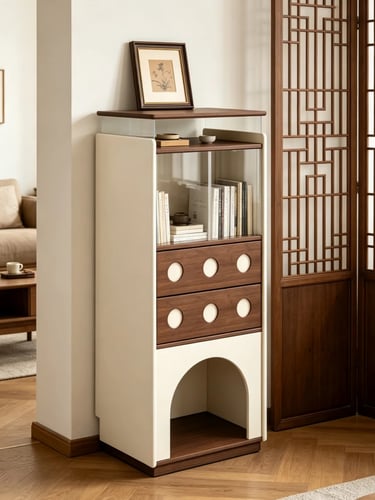
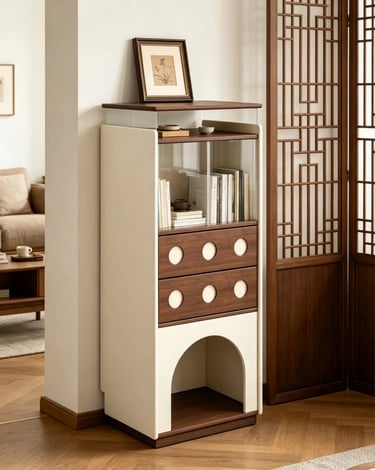
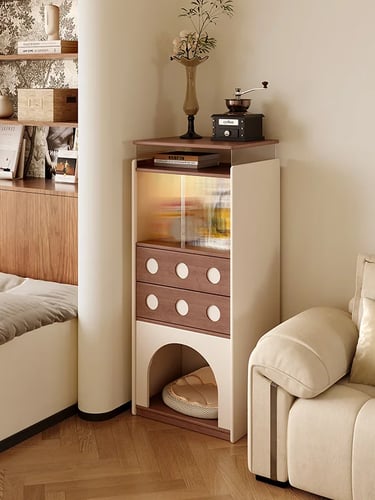
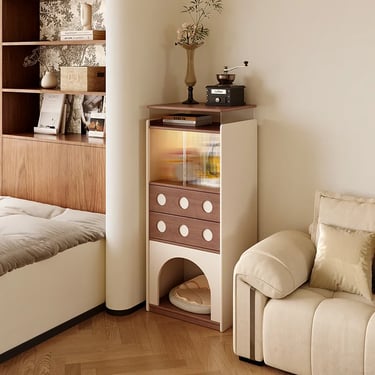
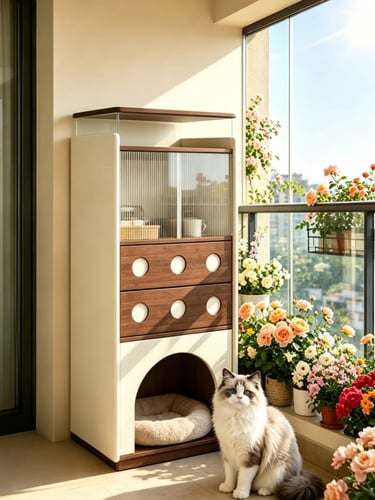
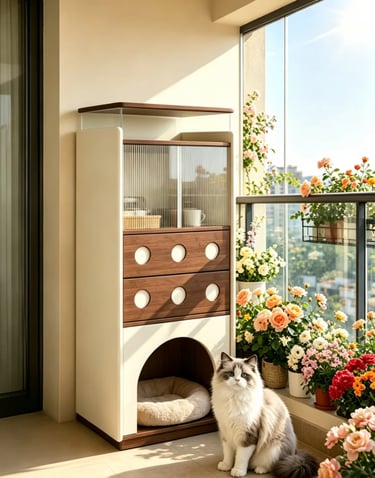
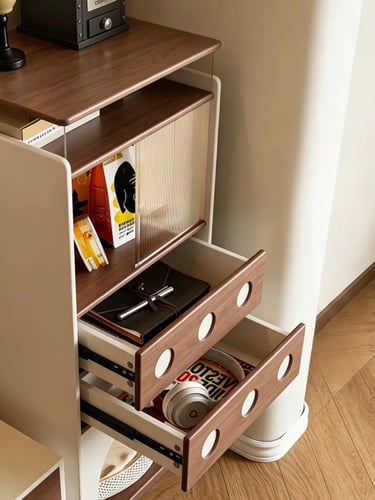
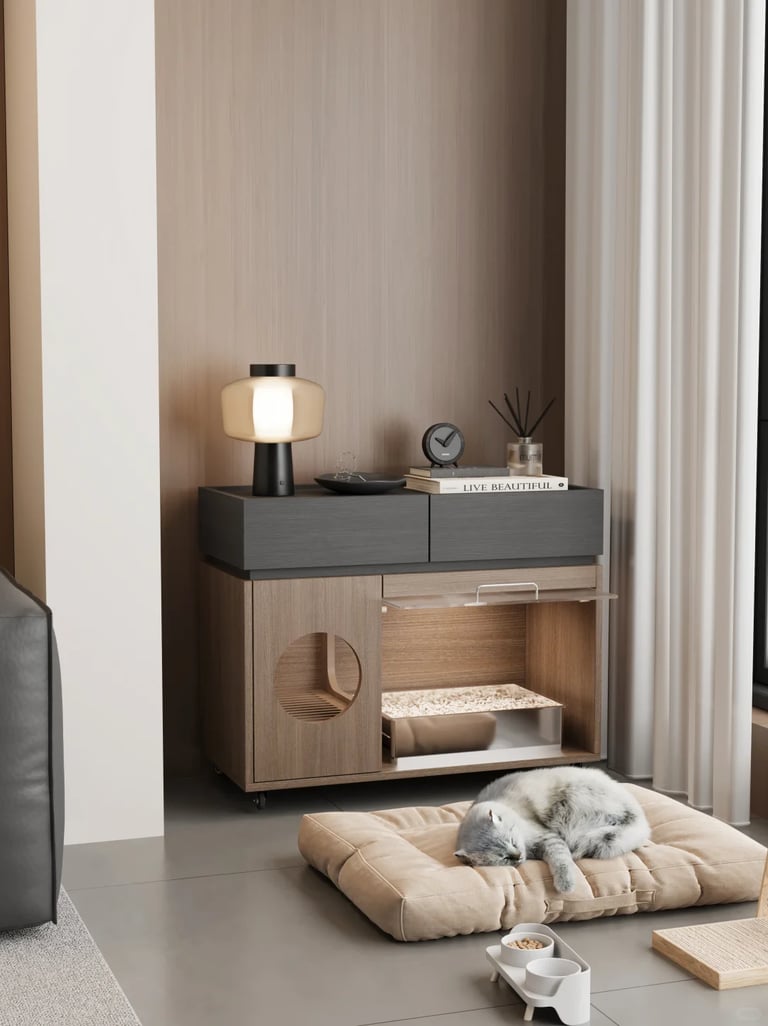
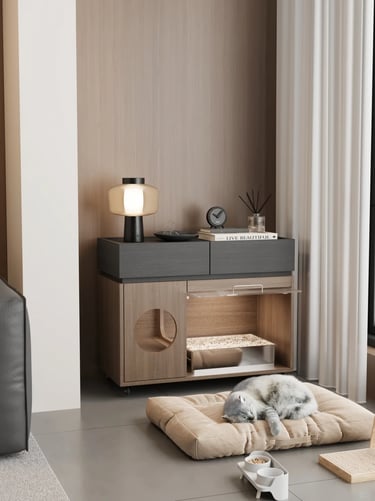
A furniture-style litter box cabinet can help make this area feel more intentional.
Instead of leaving a plastic litter box fully exposed, you can place it inside or beside a simple cabinet, a low storage unit or a quiet corner that blends with the rest of the room.
Natural wood, white finishes, woven textures and neutral colors usually work better than bright plastic. They help the litter area feel less like a pet object and more like part of the home.
However, the litter box should never be hidden in a way that makes it uncomfortable for your cat.
Avoid spaces that are too small, too dark, poorly ventilated or difficult to clean. Cats need a place that feels safe, accessible and calm.
Good places to consider include:
A quiet bathroom corner
A hallway cabinet area
A low side cabinet with a cat entrance
A laundry corner with enough airflow
A wall-side space away from heavy foot traffic
The litter area should feel private, but not forgotten.
A good setup should make daily cleaning easier, not harder.
Create One Calm Pet Zone Instead of Scattering Cat Items
A home feels messier when cat essentials are spread everywhere.
A toy near the sofa.
A blanket under the window.
A food bowl in the walkway.
A cat bed in a random corner.
A cleaning tool beside the litter box.
Even if each item is useful, the space can start to feel visually scattered.
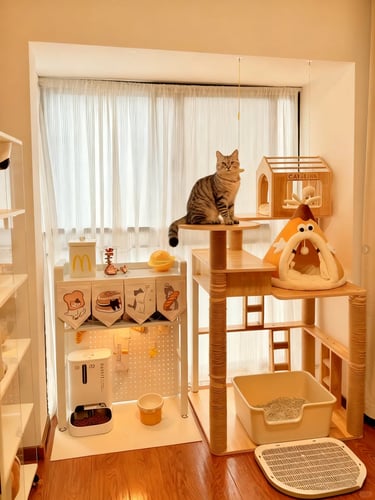
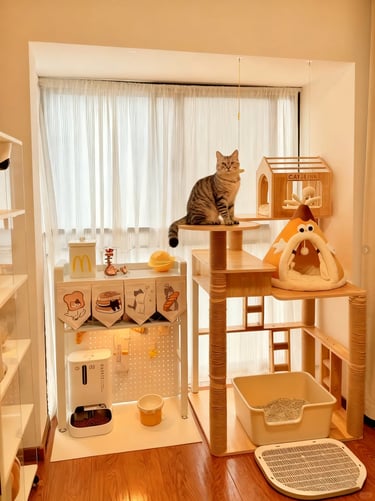
Instead of placing cat items wherever there is empty space, try to create one or two calm pet zones.
A pet zone does not need to be large. It can be a small corner, a window area, the side of a cabinet or the space beside a sofa.
What matters is that the items feel visually connected.
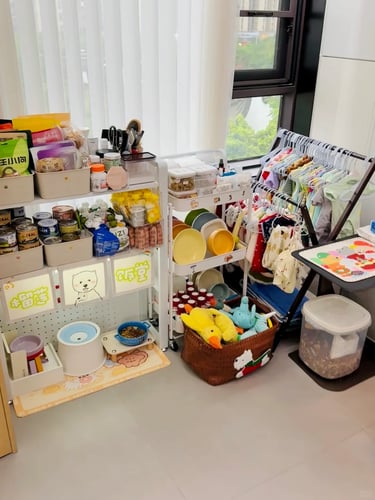
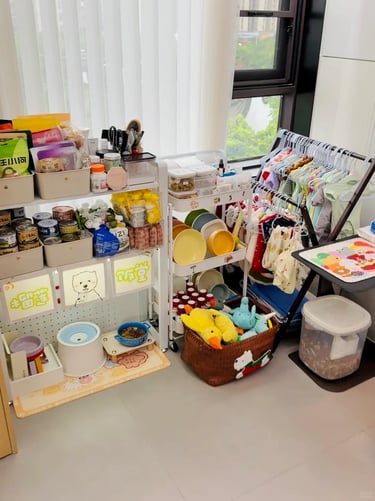
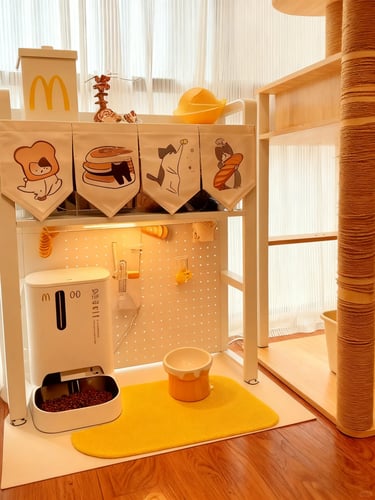
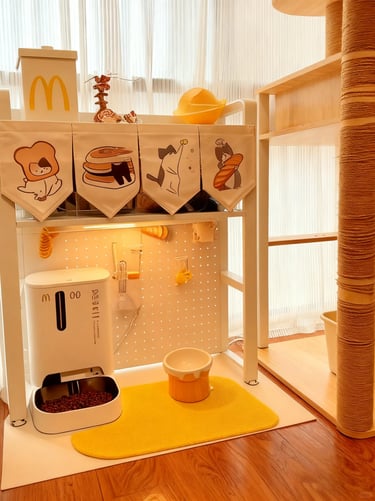
For example, a soft bed, a small toy basket and a nearby resting surface can become one quiet comfort area. A food tray, water bowl and storage basket can become one feeding area. A litter cabinet and cleaning supplies can stay together in one practical corner.
When cat essentials are grouped with intention, they look less like clutter and more like part of the room.
Leave a little empty space around each zone. This is especially important in small apartments. Empty space gives the eye room to rest and makes the area feel calmer.
A good pet zone should be:
Easy for your cat to use
Simple for you to clean
Away from heavy foot traffic
Visually connected to the room
Limited to the things your cat actually needs
The goal is not to hide every sign of your cat.
The goal is to make your cat’s daily life feel naturally included in your home.
Use Baskets to Control Toy Clutter
Cat toys are small, but they can make a room feel messy very quickly.
A few balls under the chair, a feather toy on the sofa, a fabric mouse near the rug and a tunnel in the middle of the room can make the whole space feel less organized.
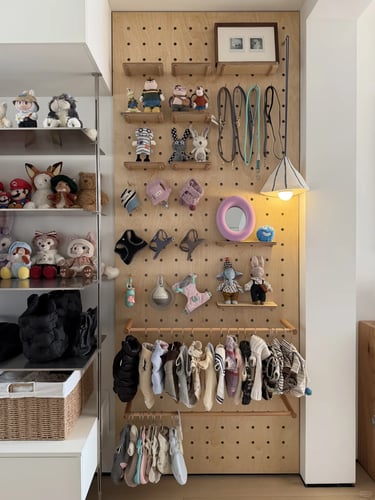
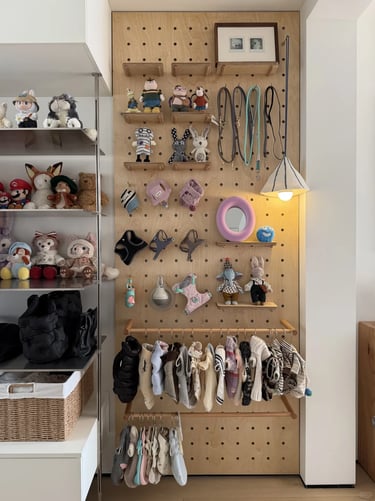
The easiest solution is to give toys one place to return to.
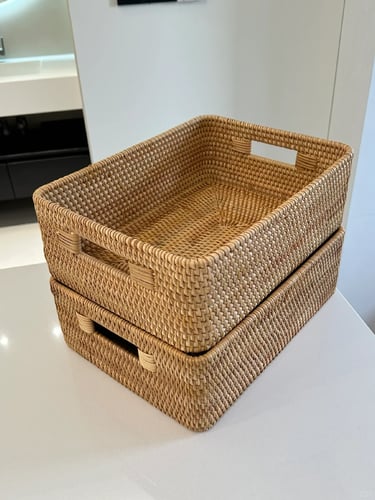
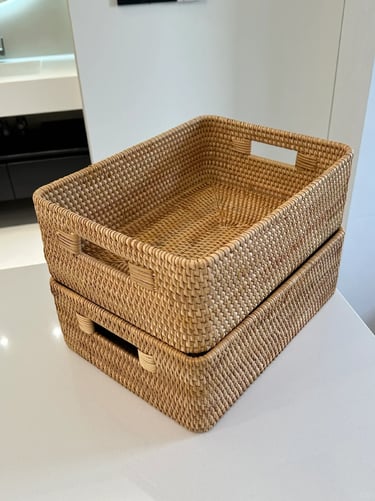
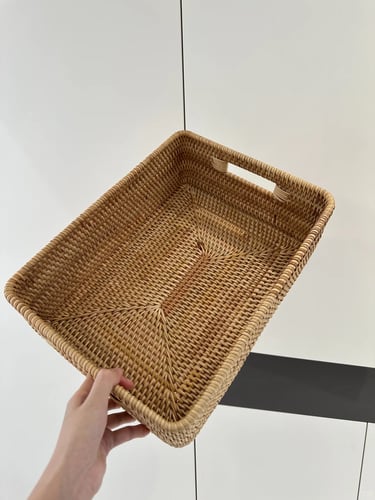
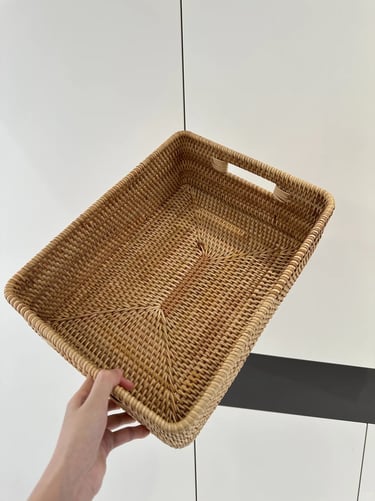
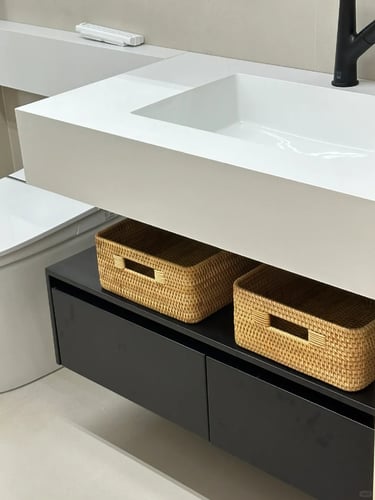
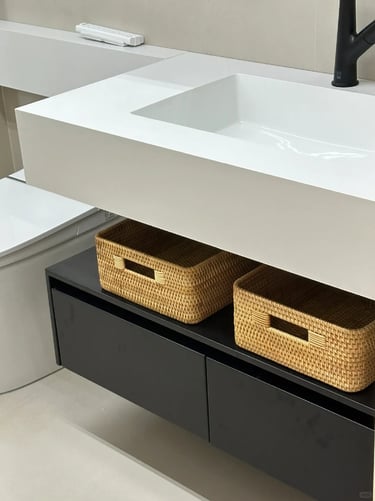
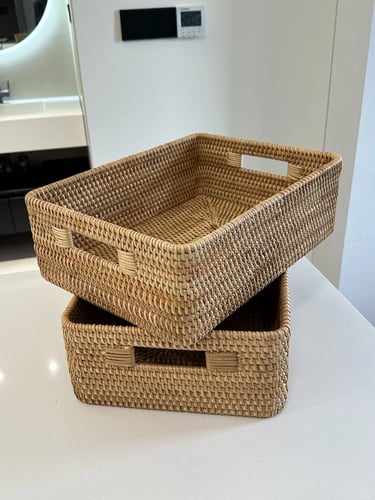
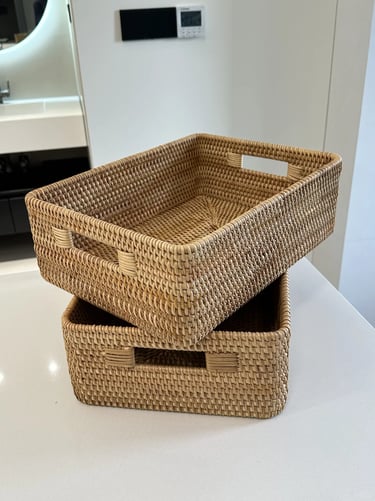
A woven basket, canvas bin, small wooden box or soft storage basket can make a big difference. It does not need to be expensive. It just needs to belong to the room.
Choose a basket that matches your home materials.
Woven textures feel warm and natural.
Canvas bins feel soft and casual.
Wooden boxes feel calm and structured.
Neutral colors blend more easily into small spaces.
You do not need to leave every toy out all the time.
Keep a few toys available and store the rest away. This helps the room look cleaner, and it can also make old toys feel interesting again when you rotate them.
A good toy basket should be easy to reach, easy to move and simple enough to sit in the living room without feeling out of place.
The goal is not a perfect home.
The goal is a home that can return to calm at the end of the day.
Make Food and Water Areas Feel Intentional
Food and water bowls are often placed wherever there is extra floor space.
But in a small home, random placement can make the room feel busy.
A better approach is to create a small feeding zone.
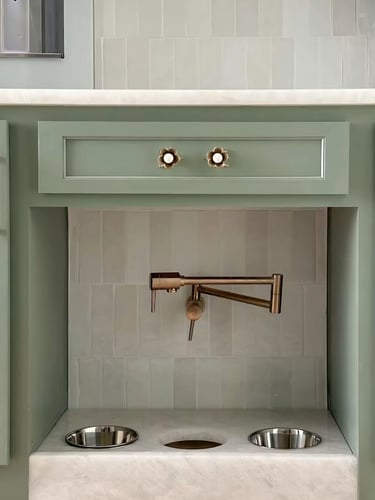
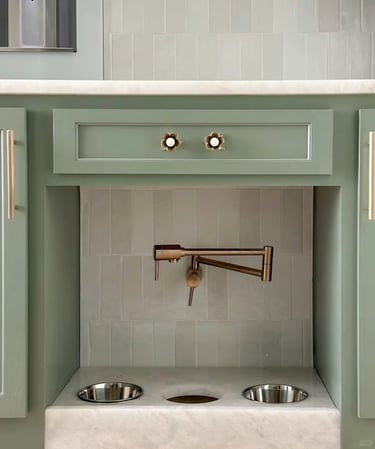
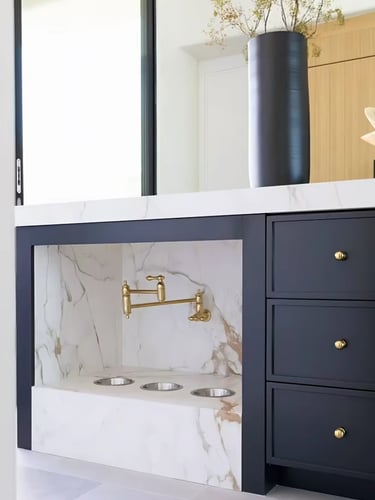
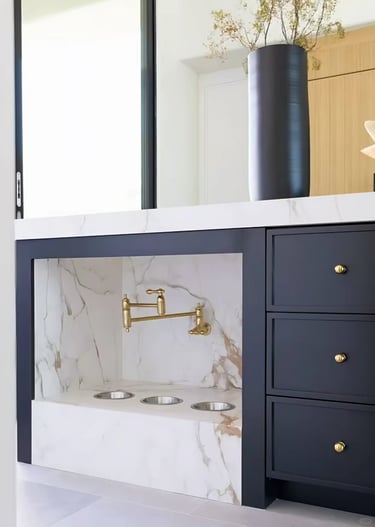
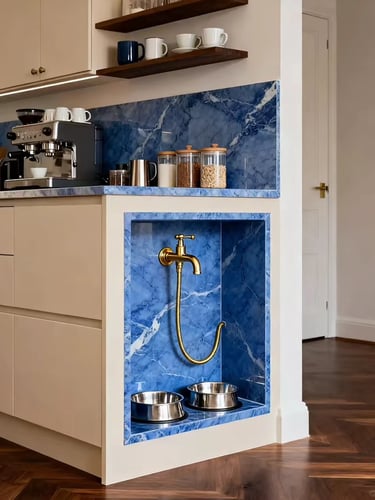
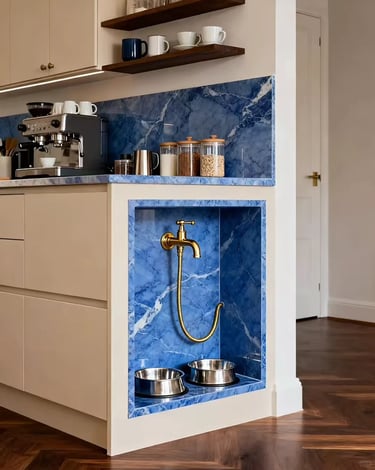
This could be beside a kitchen cabinet, near a quiet wall, under a low console or next to a storage unit. A simple tray can help visually group the bowls together, making them feel like one planned area instead of separate objects on the floor.
Choose bowls and mats that match the feeling of your home.
Ceramic bowls, stainless steel bowls, wooden trays, beige mats and muted colors usually feel calmer than bright plastic.
But function should always come first.
Your cat’s food and water should remain easy to access. The area should be easy to clean. Bowls should not be placed somewhere your cat avoids just because it looks better for the room.
A beautiful pet-friendly home is not only about appearance.
It should also work well for everyday care.
Keep Only What Your Cat Actually Uses
One of the simplest ways to make a pet-friendly home feel cleaner is to remove what your cat does not use.
Many cat owners collect pet products over time.
An extra bed.
An unused tunnel.
Old toys.
A scratcher your cat ignores.
A blanket that no longer has a clear place.
A bowl that was replaced but never removed.
These items may not seem like much, but together they create visual noise.
Before adding more pet furniture or storage, look at what your cat actually uses.
Does your cat prefer open cushions or enclosed beds?
Does your cat rest near the window or near people?
Does your cat play with many toys or only a few favorites?
Does your cat use the item daily, occasionally or not at all?
A calmer home often comes from keeping fewer things, not hiding more things.
If your cat never uses a closed bed, a soft cushion in a quiet corner may work better. If your cat ignores a large object but loves a simple window spot, the window area may deserve more attention. If most toys are ignored, keep the favorites and store or remove the rest.
Good pet-friendly design starts with real behavior.
Not every cat needs the same setup. Not every home needs the same number of pet items.
Keep what supports your cat’s comfort.
Let go of what only adds clutter.
Final Thoughts
Cat essentials do not need to make your home feel messy.
They only need to be chosen, placed and edited with care.
A litter box can sit in a quiet, furniture-like area.
Toys can return to a simple basket.
Food bowls can become a small, intentional zone.
Pet items can be grouped instead of scattered.
Unused things can be removed before more storage is added.
The best pet-friendly home is not the one where everything is hidden.
It is the one where every essential has a reason, a place and a relationship with the rest of the room.
Your cat should feel at home.
And so should you.