How to Create a Cozy Pet Corner at Home | CozyNest Living
Learn how to create a cozy pet corner at home with comfortable furniture, safe materials, smart placement, easy cleaning and pet-friendly design ideas for cats.
PET LIVING
How to Create a Cozy Pet Corner at Home
A cozy pet corner is more than a place to put a pet bed or a cat tree.
It is a small part of the home where pets can feel safe, relaxed, and included in everyday life. For people, it also helps keep the home more organized, more beautiful, and easier to live in.
Many pet owners buy scratching posts, cat beds, climbing furniture, or pet cushions without thinking about how these pieces belong in the room. The result can feel messy or temporary, even when the furniture itself is useful.
A good pet corner should feel intentional.
It should support your pet’s natural behavior while blending into the home around it. Whether it is placed beside a sofa, near a window, in a quiet bedroom corner, or close to a bookshelf, the best pet-friendly spaces are designed for both comfort and daily use.
A cozy pet corner does not need to be large.
It simply needs to feel safe, useful, and naturally connected to the way you and your pet live.
Choose a Quiet and Comfortable Location
The first step is choosing the right place.
A pet corner works best when it feels slightly protected. Cats and small pets often prefer places where they can observe the room without being disturbed too often. They like to feel close to daily life, but not trapped in the middle of too much movement.
Good locations may include a quiet corner of the living room, a space beside the sofa, a sunny window area, a bedroom corner, or a calm spot near a bookshelf.
Avoid placing the pet corner in busy walkways, near loud appliances, directly beside doors, or in areas where people constantly pass by.
For cats especially, safety and observation are important. A corner that allows them to rest, watch, and retreat when needed will usually be used more often than a spot chosen only for visual balance.
The best location is not always the empty space.
It is the space your pet naturally wants to use.
Let Natural Light Become Part of the Space
Natural light can make a pet corner feel warmer and more inviting.
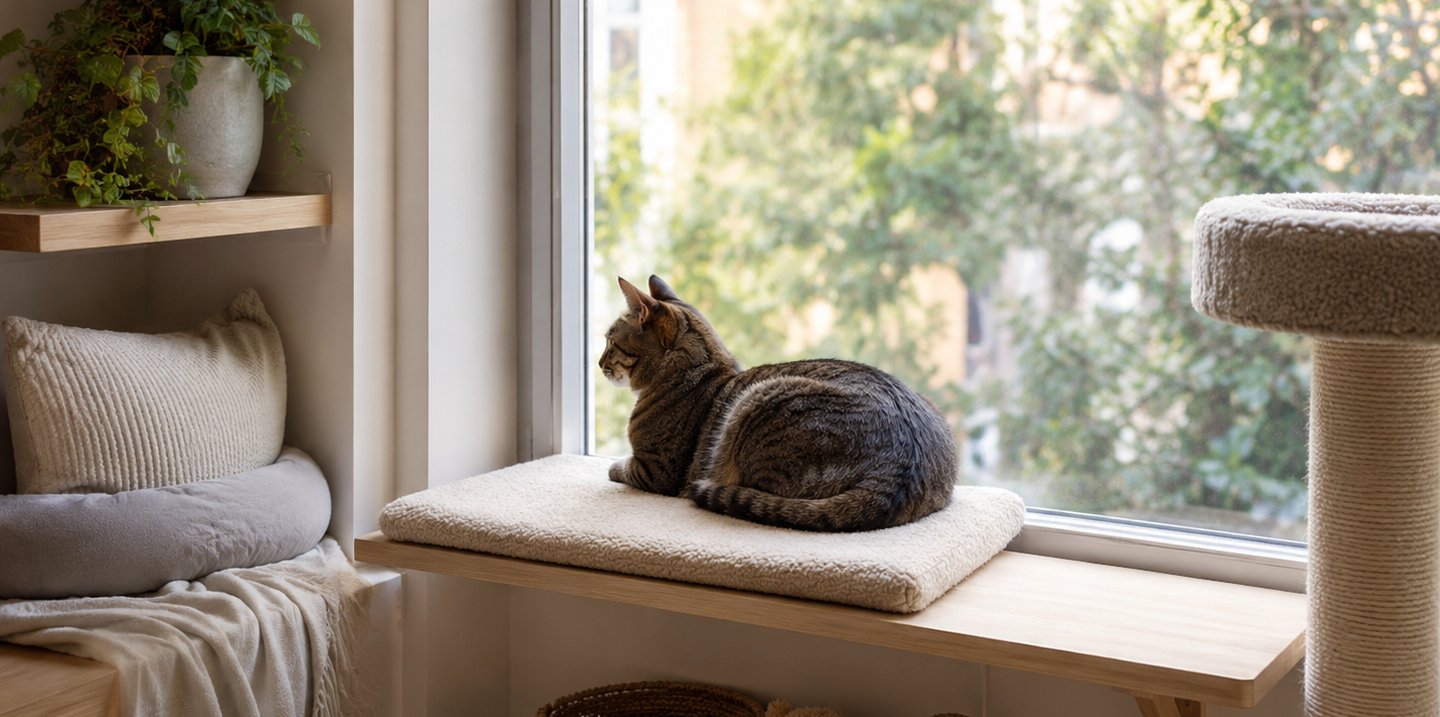
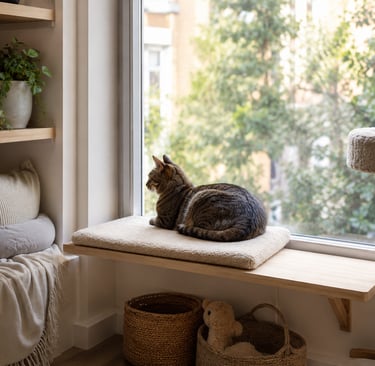
Many cats enjoy resting near windows because they can watch movement outside, feel the warmth of the sun, and stay connected to the environment beyond the home. A simple window-side pet corner can become one of the most loved places in the house.
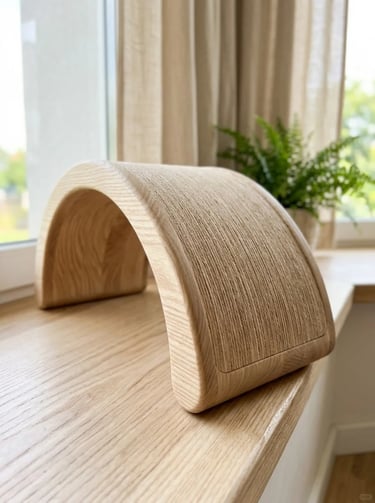
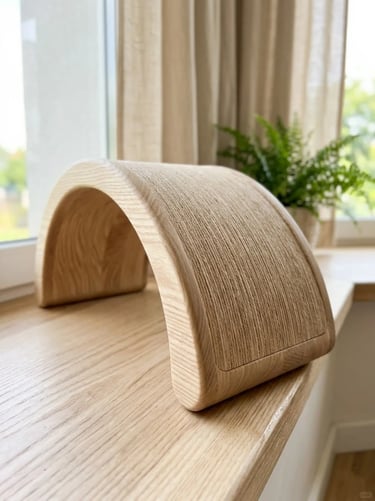
A soft cushion, a low wooden platform, or a compact cat tree near a window can create a comfortable resting area without requiring much space.
However, light should still be comfortable. If the window receives strong afternoon sun, make sure there is shade, ventilation, or another resting option nearby. Pets should be able to move away from heat when they need to.
Natural light also improves the feeling of the room. It makes wood, fabric, plants, and soft colors feel more alive.
A good pet corner should feel good for the pet, but it should also make the home feel warmer.
Start With One Main Piece of Pet Furniture
A cozy pet corner should not begin with too many objects.
Instead of filling the space with several beds, toys, scratching boards, and climbing pieces, start with one main item that supports your pet’s behavior.
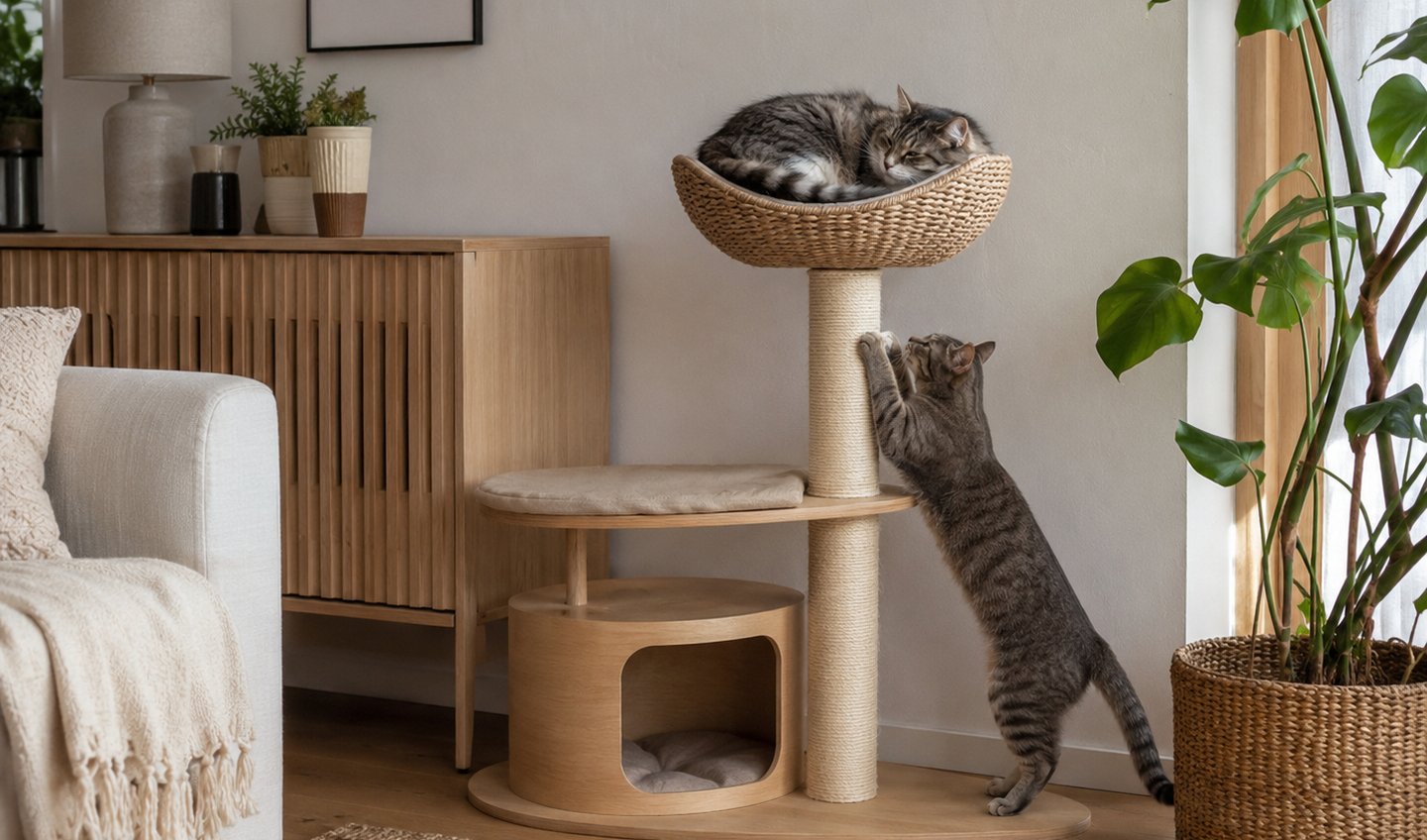
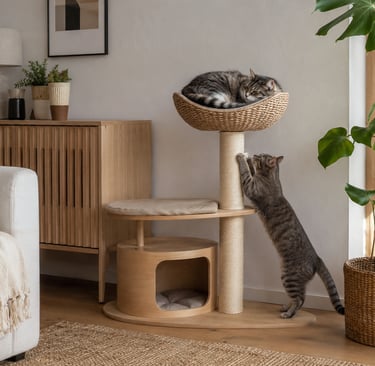
For a cat, this may be a wooden cat tree, a scratching post, a window perch, a small climbing structure, or a soft enclosed bed.
For a small dog, it may be a comfortable bed, a washable cushion, or a low resting area near family activity.
The main piece should match the size of the room and the habits of the pet. If your cat loves climbing, choose something with height and stability. If your pet prefers hiding, choose a cozy enclosed space. If your cat spends hours watching outside, a window-side resting spot may be more useful than a tall tower.
A pet corner becomes more beautiful when it has a clear purpose.
Too many pieces can create clutter. One well-chosen piece can create focus.
Support Scratching, Resting, Hiding, and Watching
A good pet corner should support real behavior, not just look attractive.
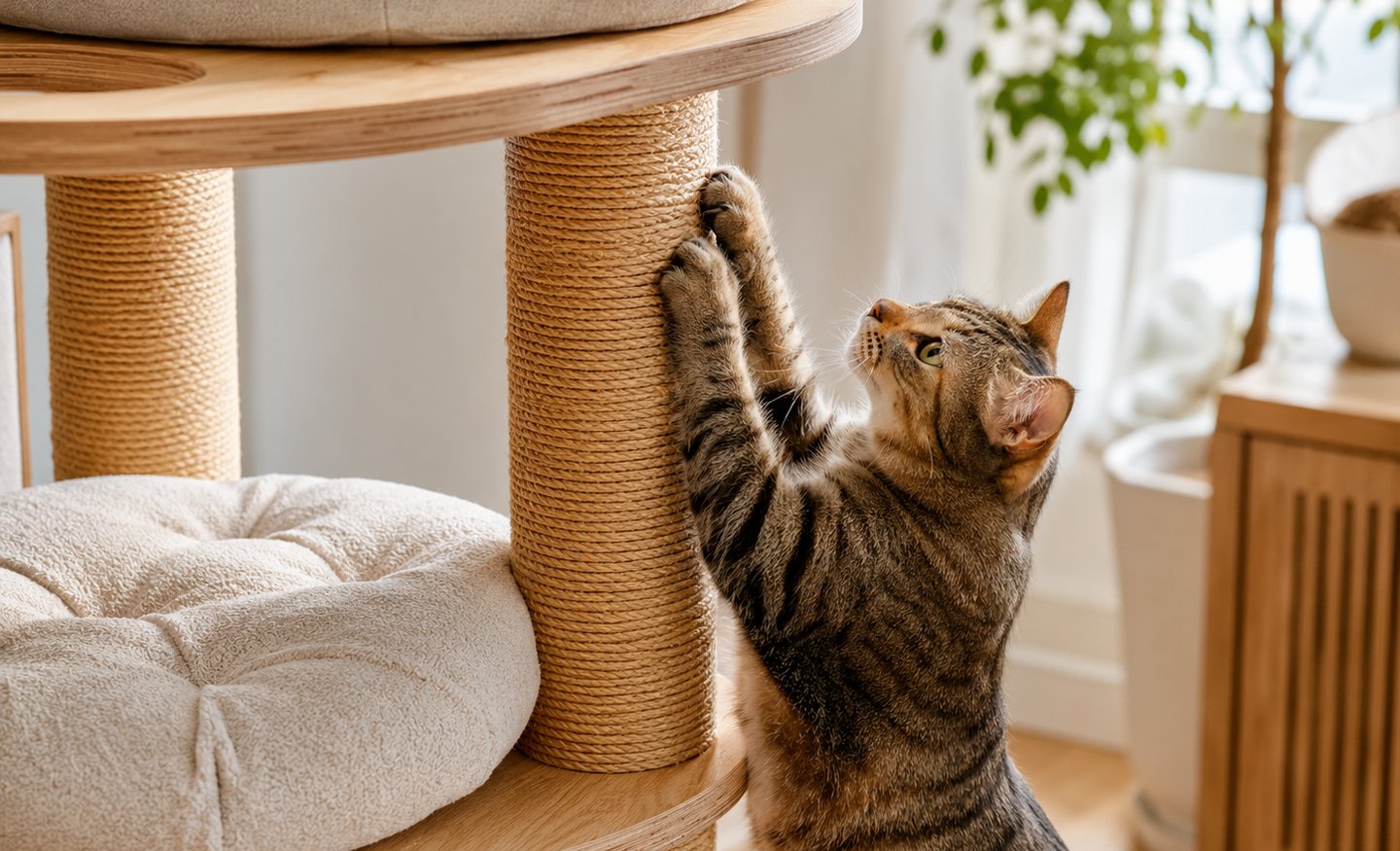
Cats often need places to scratch, climb, rest, hide, stretch, and observe. Scratching is not a bad habit. It is a natural behavior that helps cats stretch their bodies, maintain their claws, and mark their territory.
This is why a scratching surface is important. Sisal rope, woven scratching panels, or replaceable scratch pads can help protect other furniture while giving cats a place that belongs to them.
Resting is just as important. A soft cushion, padded platform, or quiet bed gives the pet a place to return to throughout the day.
Some cats also enjoy hidden or semi-enclosed spaces. A small cubby, covered bed, or low sheltered area can help them feel secure.
Raised platforms can also be useful because cats often like watching the room from above. The height does not need to be extreme. Even a slightly elevated resting spot can make a cat feel more confident.
The most successful pet corner is not the most decorative one.
It is the one your pet actually uses.
Choose Materials That Match the Home
Materials have a strong effect on how a pet corner feels.
Some pet furniture looks visually separate from the home because it uses bright colors, shiny plastic, or heavy synthetic textures. These materials may be functional, but they can make the room feel less calm.
For a more natural and modern look, choose materials that connect with the rest of the interior.
Natural wood works well because it feels warm and furniture-like. Sisal rope is practical for scratching and visually softer than plastic surfaces. Washable cotton, linen-blend, or performance fabrics are useful for cushions and resting areas.
Neutral colors such as beige, cream, warm gray, soft brown, muted green, and natural wood tones are easier to blend with sofas, rugs, cabinets, and flooring.
Materials to consider:
Natural wood
Sisal rope
Washable fabrics
Linen-blend cushions
Soft neutral colors
Stable, well-finished surfaces
Materials to use carefully:
Bright plastic
Thin unstable boards
Strong-smelling synthetic materials
Long-pile fabrics that trap hair
Sharp metal edges
Difficult-to-clean surfaces
A cozy pet corner should feel like part of the room, not something added at the last minute.
Make Cleaning Easy From the Beginning
A pet corner needs to stay beautiful after daily use.
Hair, dust, claw marks, crumbs, and odors can quickly build up if the design is difficult to clean. This is why maintenance should be considered from the beginning.
Choose removable cushion covers when possible. Washable fabrics are much easier to care for than fixed padding. Raised bases are also helpful because they allow you to clean underneath the furniture.
Avoid designs with too many deep gaps, hidden corners, or delicate materials that cannot handle regular cleaning.
If the pet corner includes scratching materials, replaceable parts are useful. A scratching post that can be repaired or refreshed will last longer than one that becomes unusable after damage.
Good cleaning design includes:
Removable covers
Washable cushions
Smooth wipeable surfaces
Raised furniture bases
Replaceable scratching parts
Simple shapes without too many hidden gaps
A cozy pet corner should feel lived-in, not neglected.
The easier it is to maintain, the more likely it is to stay part of the home for a long time.
Blend the Pet Corner Into the Interior
A pet corner can be functional and beautiful at the same time.
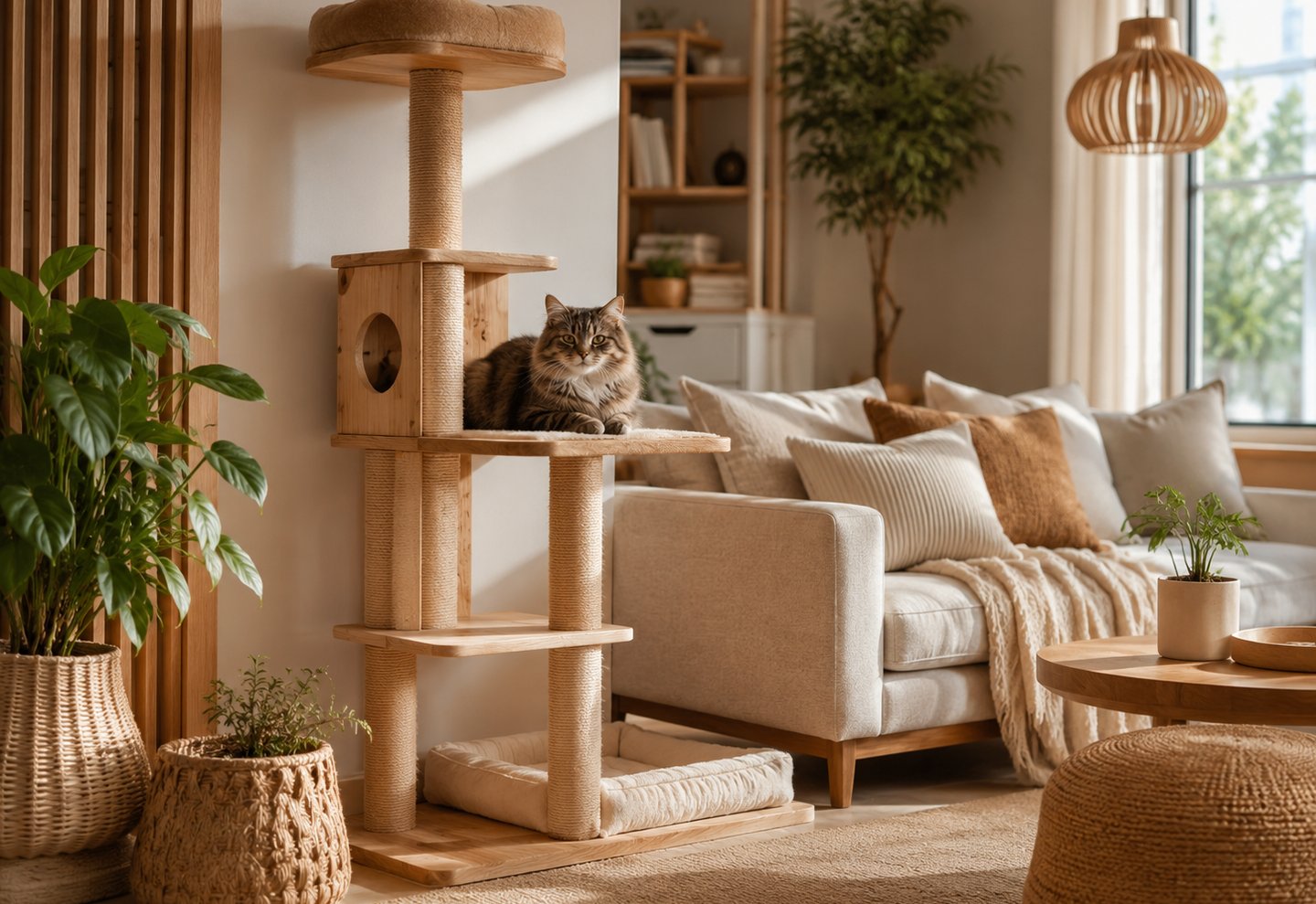
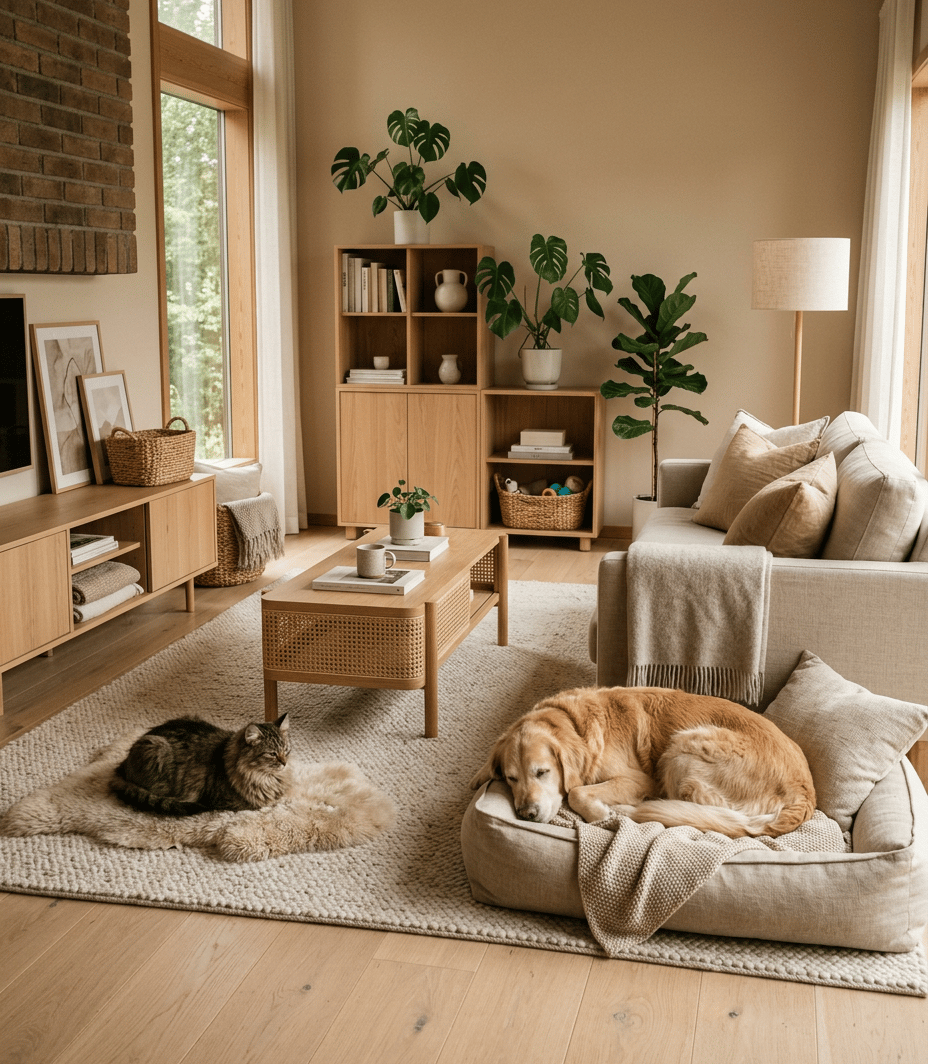
To make it blend into the room, look at the furniture, colors, and materials already around it. If the room has wood furniture, choose pet furniture with a similar wood tone. If the sofa is beige or gray, choose cushions that feel connected rather than visually loud.
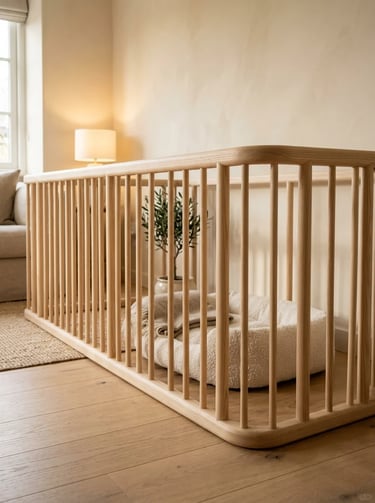
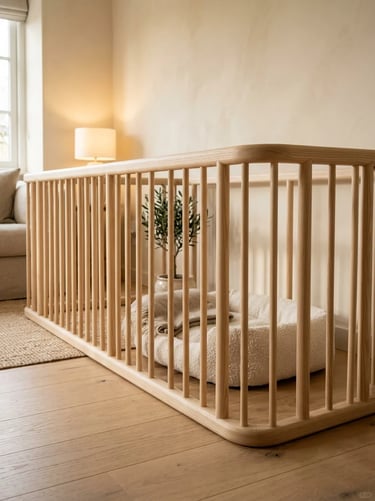
You can also use nearby objects to make the pet corner feel more natural. A plant, a rug, a small side table, or a woven basket can help the space feel like part of the room.
However, be careful with plants. Some indoor plants can be unsafe for cats and dogs. Choose pet-safe plants or keep decorative plants out of reach if you are unsure.
The goal is not to hide the pet corner completely.
The goal is to make it feel intentional.
When the colors, materials, and shapes work with the rest of the home, pet furniture can become part of the interior instead of interrupting it.
Keep the Space Simple
A cozy pet corner does not need to include everything at once.
Start with the essentials: one main furniture piece, one comfortable resting area, one scratching surface for cats, and enough space to move naturally.
After that, observe your pet.
Does your cat prefer the upper platform or the lower bed?
Does your pet rest near the window or closer to the sofa?
Is the scratching area being used?
Is the furniture stable enough?
Is the space easy to clean?
These observations are more useful than buying many products at once.
Every pet has different habits. Some cats love height. Others prefer enclosed spaces. Some pets like being near people. Others need quiet corners.
A pet corner should grow slowly around real behavior.
A space that works in daily life is always better than one that only looks good in a photo.
Think About Comfort for Both Pets and People
Pet-friendly design is not only about pets.
It is also about making the home easier and more pleasant for people to live in. When a pet has a clear place to scratch, rest, climb, or hide, the rest of the room often becomes more organized.
A thoughtful pet corner can reduce visual clutter, protect furniture, and create a calmer atmosphere.
It also changes how the home feels emotionally.
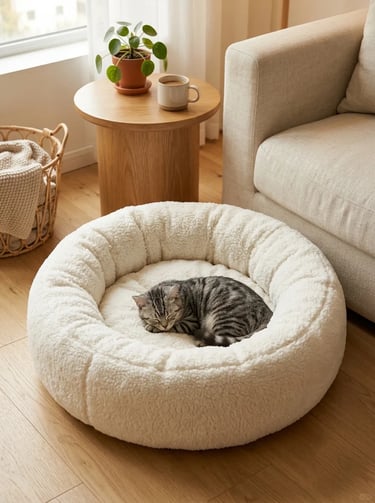
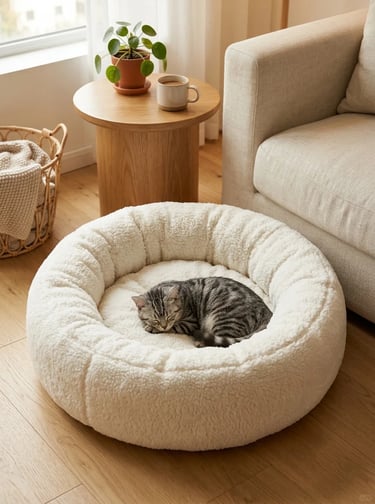
A cat resting quietly near the window, a pet bed beside the sofa, or a small wooden cat tree placed naturally in the living room can make the home feel warmer and more alive.
Good pet furniture does not take beauty away from a room.
It can add comfort, softness, and a sense of shared living.
Final Thoughts
A cozy pet corner is not created by adding random pet products.
It is created by understanding how pets live, move, rest, scratch, hide, and observe. It is also created by choosing materials, colors, and furniture that belong naturally in the home.
The best pet corner feels safe for the pet and calm for the person.
It may be a sunny window spot.
It may be a soft bed beside the sofa.
It may be a wooden cat tree that blends into the living room.
It may be a quiet corner where your pet can rest without being disturbed.
Good pet-friendly design is not about filling the home with more things.
It is about creating a place where people and pets can live together more comfortably.
A small corner can make the whole home feel warmer.