Cat Tree Alternatives for Small Apartments | CozyNest Living
Find cat tree alternatives for small apartments including window perches, slim scratching posts, renter-friendly ideas and space-saving cat furniture today.
PET LIVING
Cat Tree Alternatives for Small Apartments: Cozy Ideas That Save Space
A traditional cat tree is not always the best choice for a small apartment.
It may take up too much floor space. It may wobble when a cat jumps. It may look visually heavy in a small living room. And for renters, wall-mounted cat shelves may feel difficult because drilling into the wall is not always allowed.
But cats still need places to climb, scratch, rest, hide and watch the world around them.
The solution is not always one large cat tree.
In many small homes, a few thoughtful alternatives can work better: a window perch, a slim scratching post, a low bench, a bookshelf-style climbing area, or a small piece of furniture that works for both people and cats.
A cat-friendly apartment should not feel crowded.
It should feel comfortable, safe and natural for everyday living.
Why Large Cat Trees Do Not Always Work
Large cat trees can be useful, especially for active cats, but they are not perfect for every home.
In a small apartment, a bulky cat tree can dominate the room. It may block a window, crowd a sofa, interrupt a walkway, or make the space feel smaller than it really is.
Some cat trees also look very separate from the rest of the interior. Bright fabrics, heavy carpet textures, oversized platforms and unstable construction can make the room feel less calm.
The problem is not cat furniture itself.
The problem is choosing furniture that does not match the space, the cat’s behavior, or the way the home is used.
Before buying a large cat tree, ask:
Does it fit the room without blocking movement?
Is the base stable enough for jumping and scratching?
Does it match the style of the home?
Will the cat actually use all the platforms?
Can it be cleaned easily?
Can it be moved if you rent or relocate?
If the answer is no, a smaller and smarter alternative may work better.
Create a Window Perch for Watching and Resting
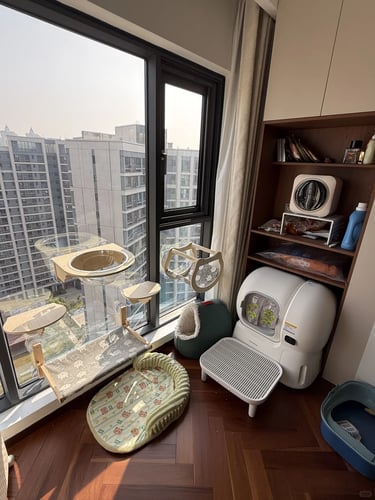
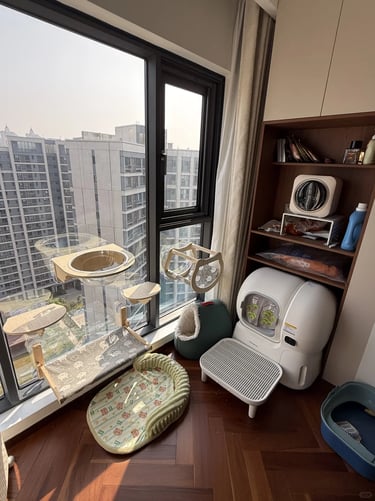
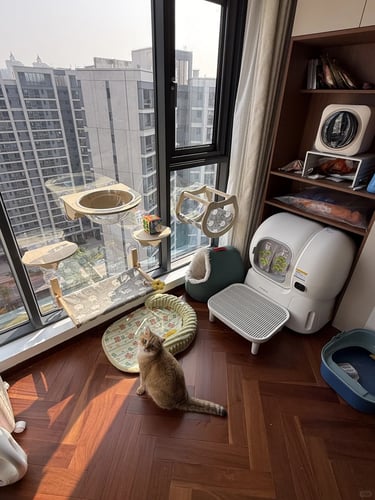
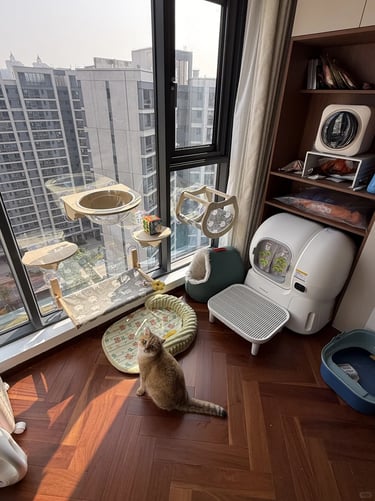
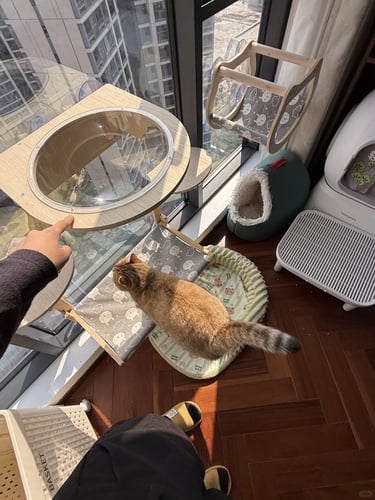
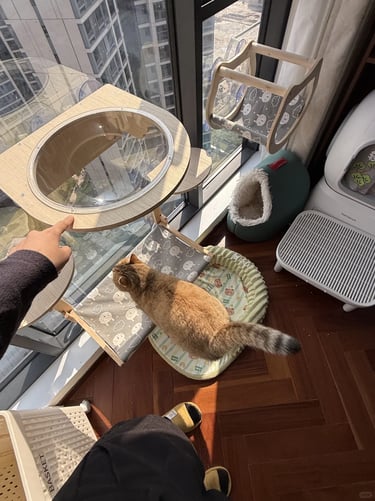
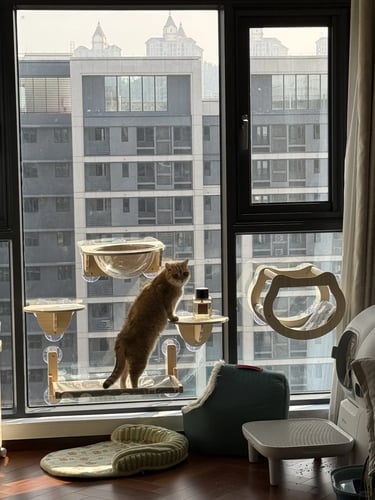
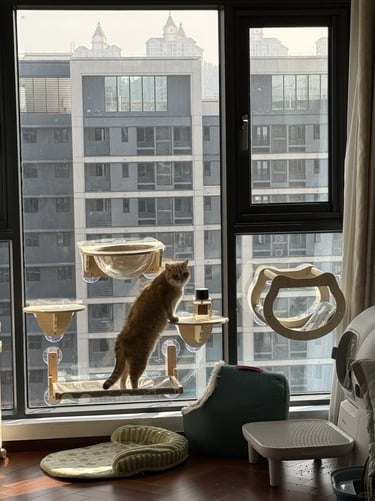
A window perch is one of the best cat tree alternatives for small apartments.
Cats often love windows because they offer sunlight, movement and a view of the outside world. A window area can provide stimulation without taking up much extra floor space.
This can be as simple as:
A padded window shelf
A low wooden bench under the window
A soft cushion on a deep windowsill
A compact cat platform beside the glass
A storage bench that also becomes a resting spot
The key is comfort and safety.
The resting surface should be wide enough for the cat to relax. It should not slide, tilt or feel unstable. If the window opens, make sure the area is secure and the cat cannot push through a screen or gap.
A window perch works especially well because it gives cats one of the things they want most: a place to observe.
It can make a small apartment feel bigger from the cat’s point of view.
Use a Slim Scratching Post Instead of a Bulky Tower
Sometimes what a cat needs most is not a full cat tree.
It is a good scratching place.
Scratching is natural behavior. Cats scratch to stretch their bodies, maintain their claws and mark territory. If there is no good scratching option, they may choose the sofa, rug, curtains or wooden furniture instead.
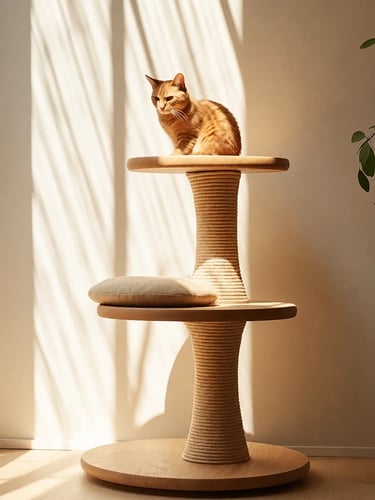
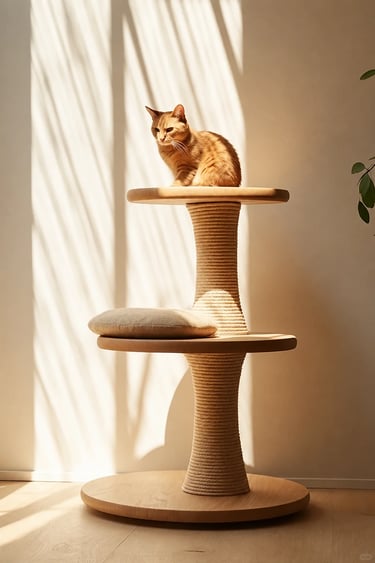
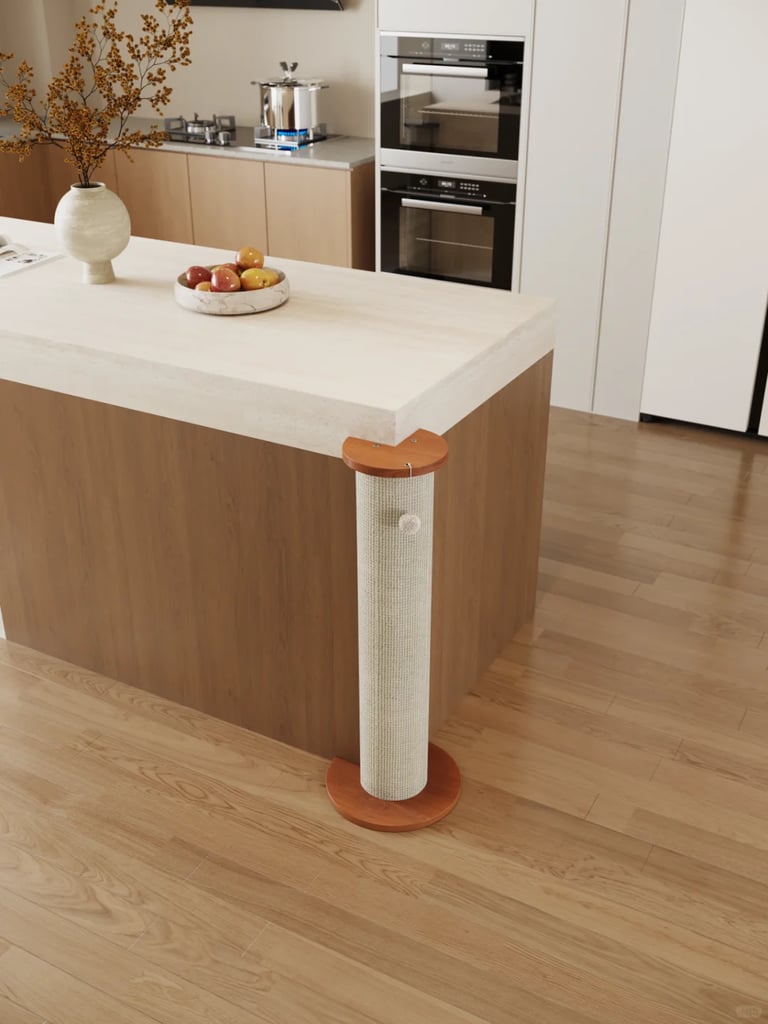
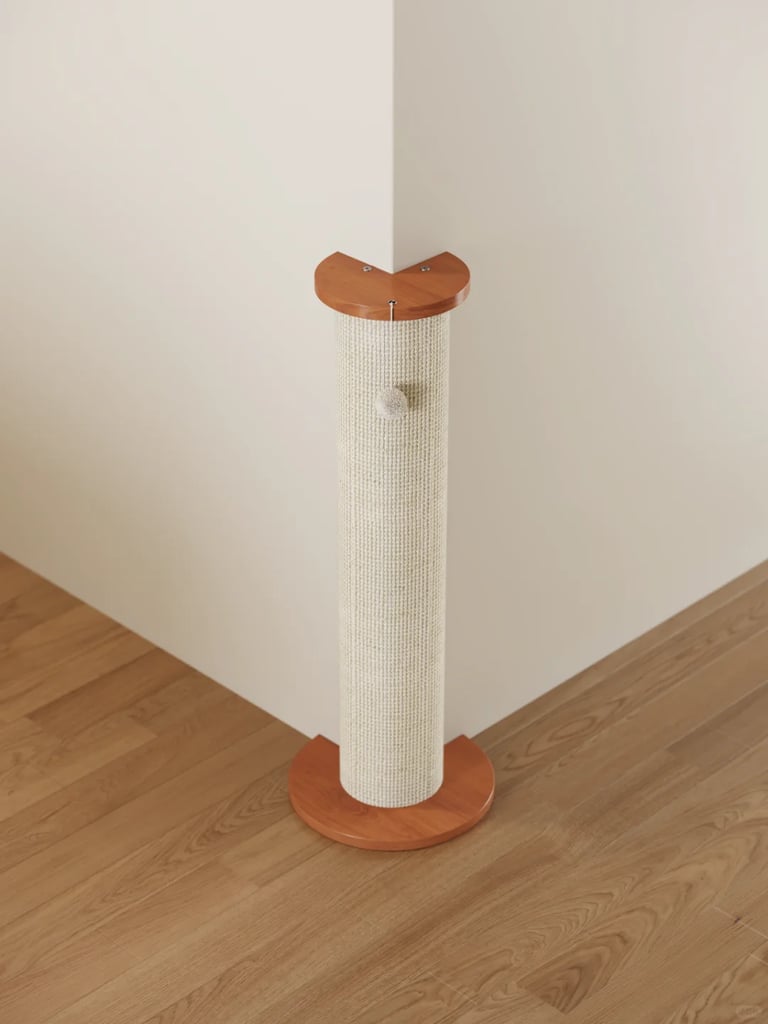
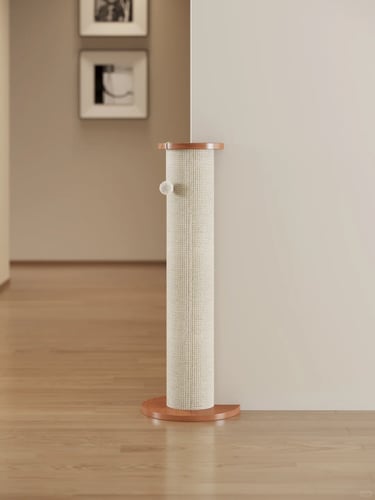
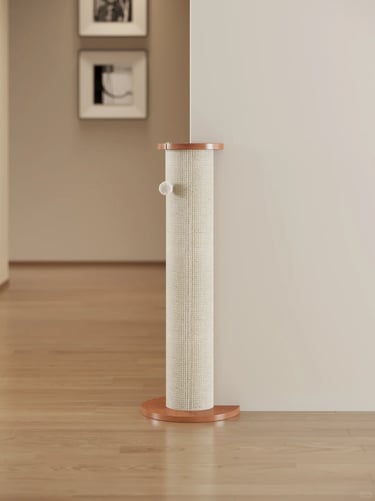
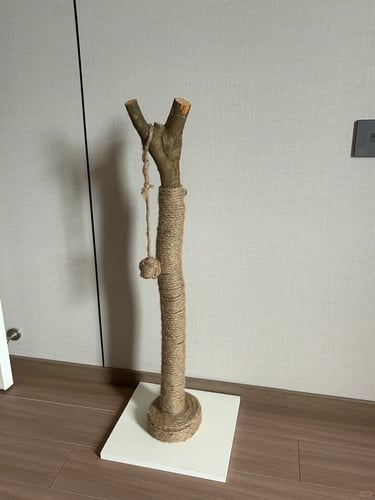
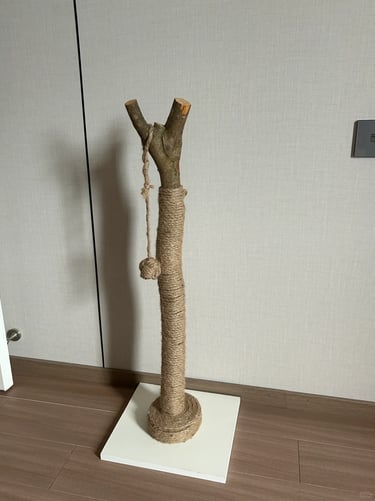
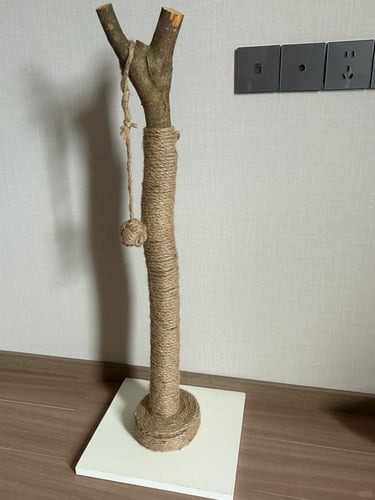
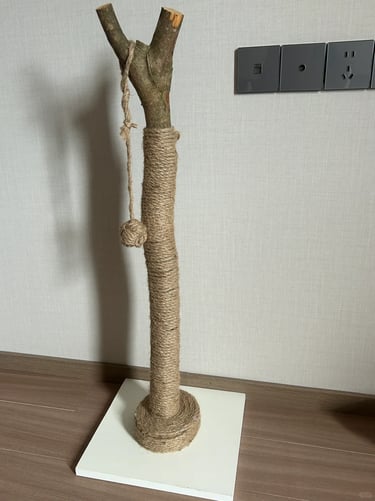
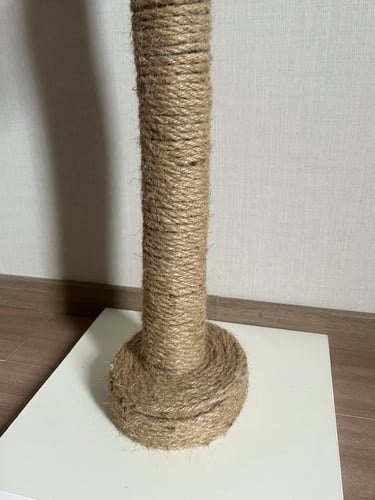
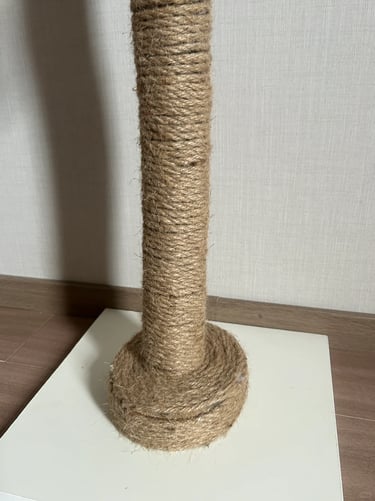
For small apartments, a slim scratching post can be more practical than a large tower.
Choose one that is:
Tall enough for a full stretch
Heavy enough not to wobble
Covered with sisal rope or a durable scratching surface
Easy to place near furniture the cat already likes
Visually simple enough to blend into the room
Placement matters.
A scratching post hidden in an unused corner may be ignored. A scratching post placed near the sofa, window, pet bed or common walking route is usually more useful.
A stable scratching post can protect your furniture without taking over the apartment.
Try a Low Bench With a Soft Cushion
Not every cat needs height all the time.
Some cats enjoy low, comfortable platforms where they can rest, watch and feel close to daily life. A low bench can work beautifully in small apartments because it serves both the home and the cat.
It can sit under a window, beside a sofa, at the end of a bed, or along a quiet wall.
A low bench can also provide hidden storage underneath. This makes it useful for small homes where every object needs to work harder.
To make it cat-friendly, add:
A washable cushion
A stable wooden surface
A nearby scratching post
A small blanket
A basket or storage box below
This type of setup feels less like “pet furniture” and more like a calm part of the room.
It is simple, flexible and easy to maintain.
Use Bookshelf-Style Cat Furniture
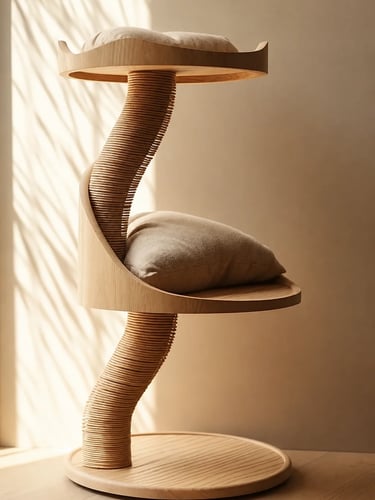
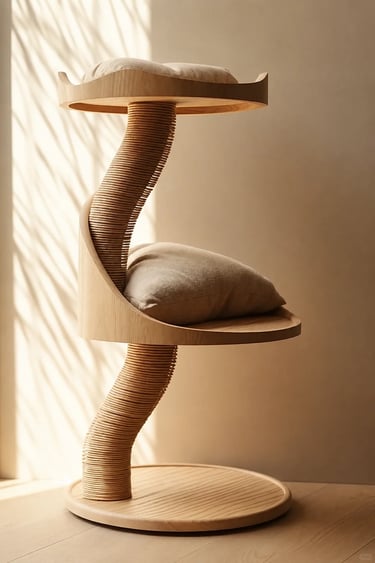
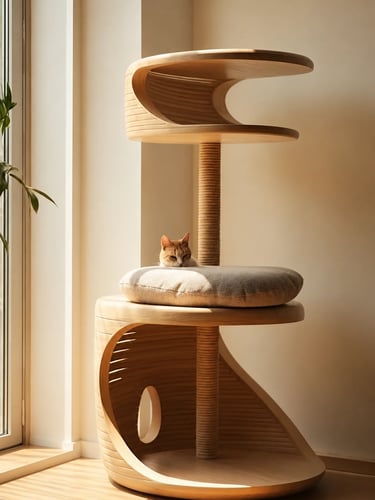
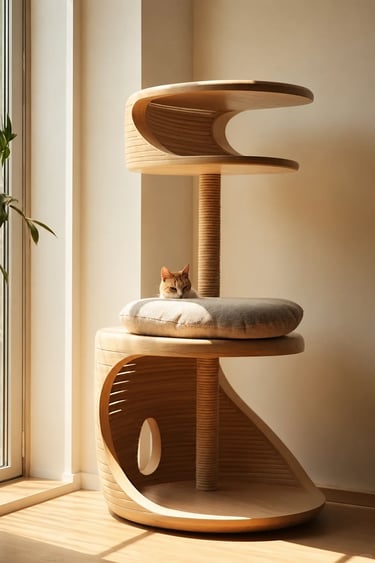
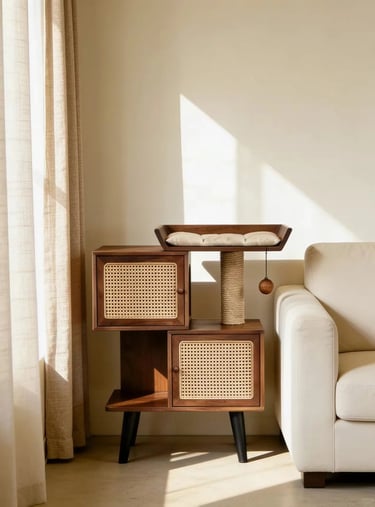
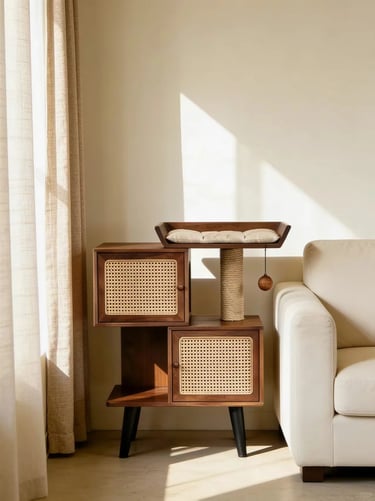
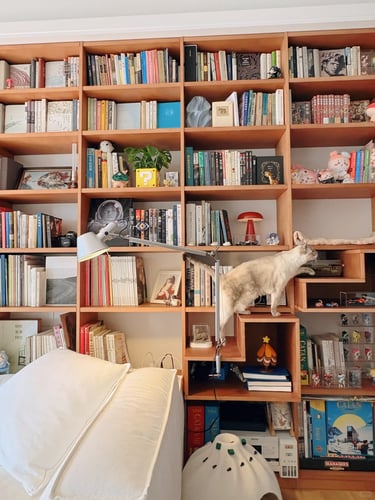
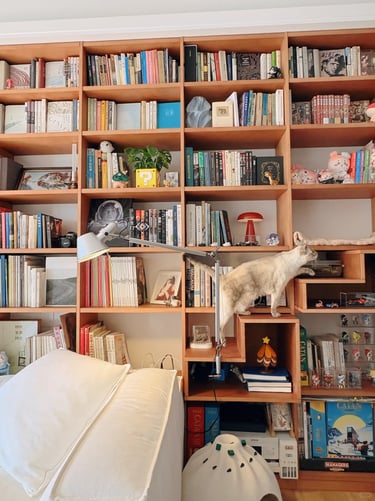
Bookshelf-style cat furniture is a strong alternative to traditional cat trees.
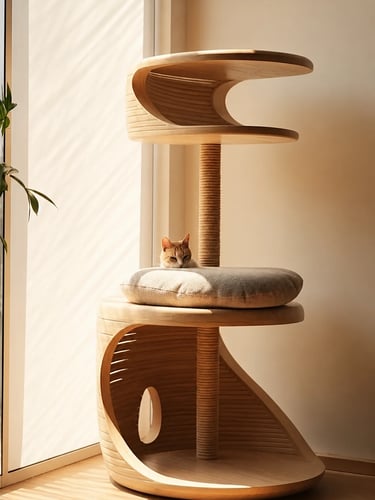
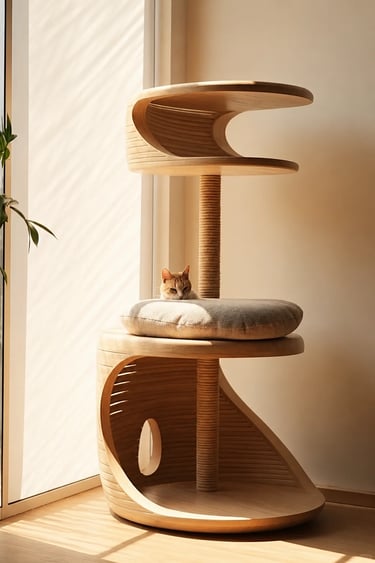
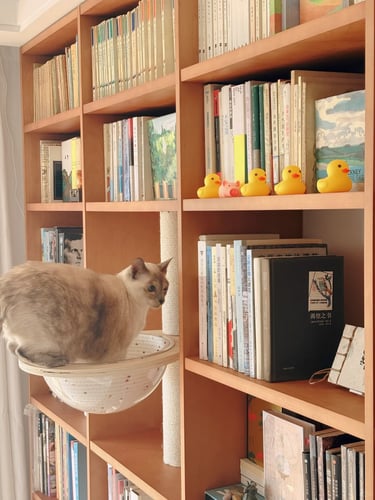
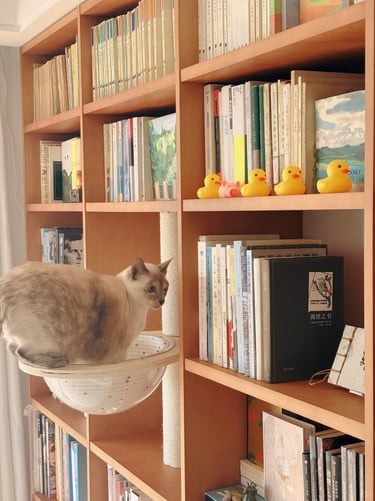
It gives cats vertical movement while still feeling like part of the home. Instead of a carpet-covered tower, the structure can look like a wooden shelf, storage unit or open cabinet.
This is especially useful for small apartments because it can combine several functions:
Storage
Display
Climbing
Resting
Scratching
Hiding
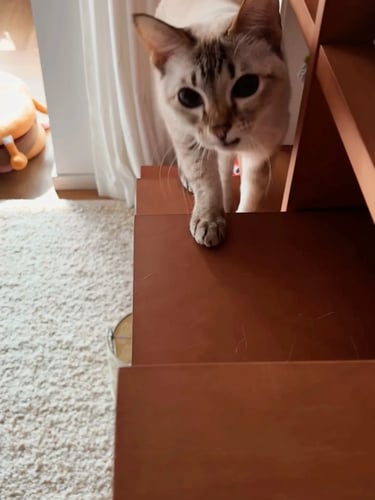
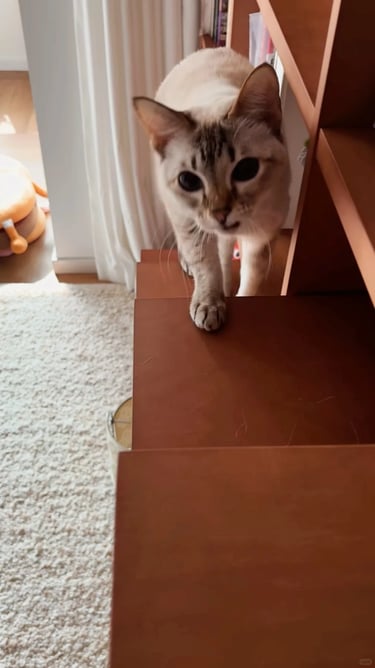
A cat may move between shelves, rest on a padded platform, hide in a lower cubby, or scratch a sisal-covered side panel.
The design should feel stable and balanced. Avoid narrow shelves that could tip if the cat jumps with energy. If a unit is tall, make sure it is properly secured according to safety requirements and the conditions of your home.
A good bookshelf-style setup can give the cat more territory without making the room feel cluttered.
Choose Cat Furniture That Feels Like Home
Many apartment owners do not want their living room to look like a pet store.
That is completely reasonable.
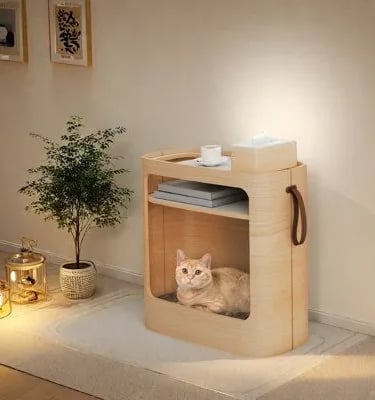
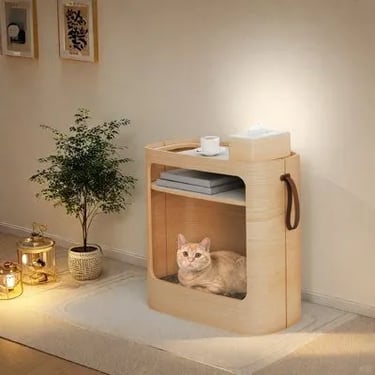
A good cat furniture alternative should feel connected to the rest of the interior. It should serve the cat while still looking calm, warm and intentional.
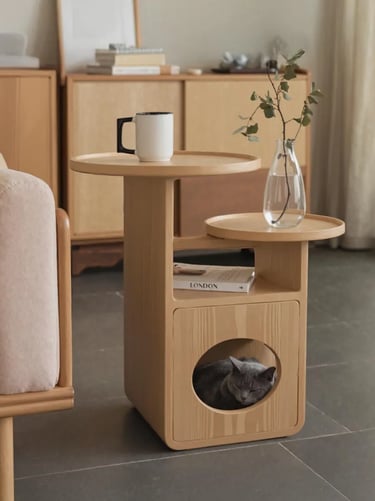
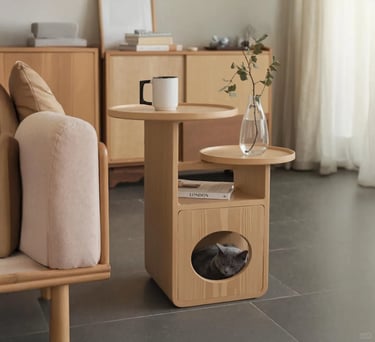
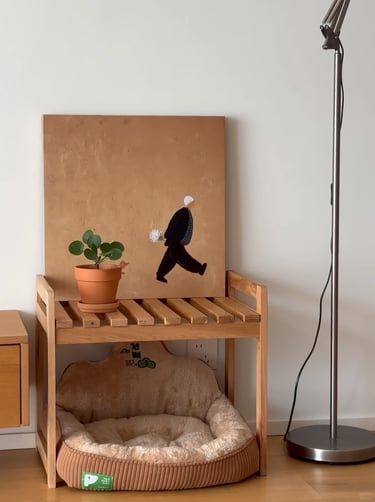
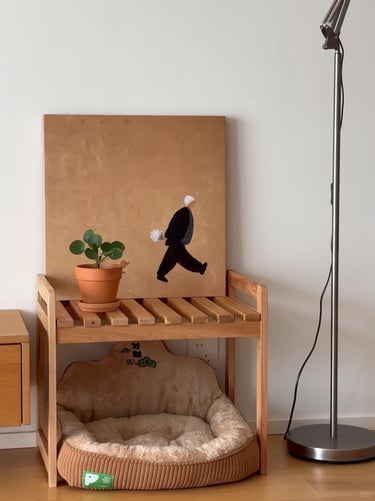
Some of the best options are pieces that work like ordinary furniture:
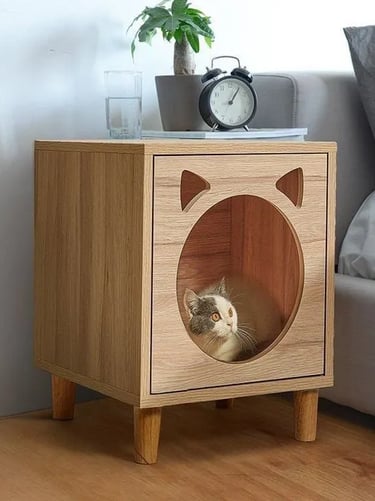
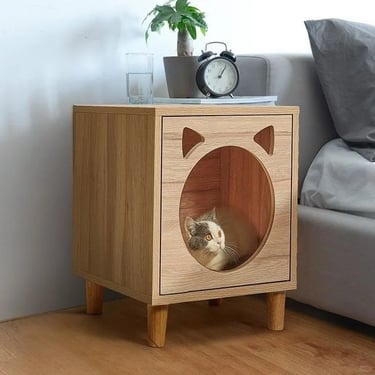
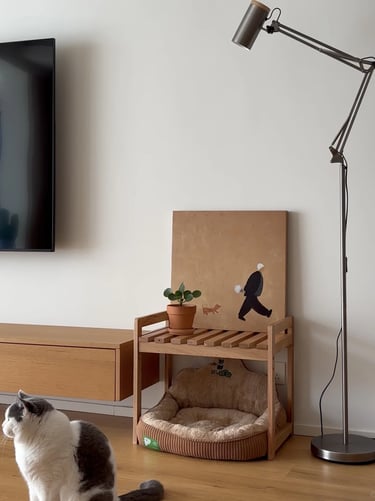
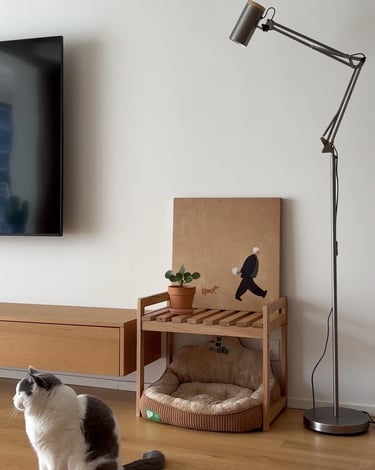
A side table with a cat bed inside
A cabinet with a small cat entrance
A window bench with storage below
A wooden stool that also works as a perch
A low console with a soft resting area
A small open shelf with a scratching panel
This kind of design is especially helpful in small homes because it avoids adding too many separate objects.
Instead of buying one cat bed, one scratcher, one perch and one hiding place, you can choose one piece that supports several needs.
Small apartments do not need more furniture.
They need smarter furniture.
Think About Renter-Friendly Vertical Space
Vertical space is valuable in small apartments.
Cats often feel more confident when they can climb, observe and rest above floor level. However, renters may not be able to drill into walls, install permanent shelves, or make major changes.
In this situation, safety is more important than appearance.
Be careful with adhesive-only wall shelves for cats. A shelf may look light and elegant, but cats jump with force. If the shelf is not properly supported or rated for weight and movement, it can become dangerous.
Renter-friendly alternatives may include:
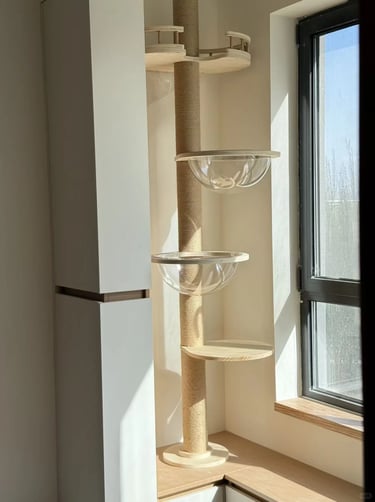
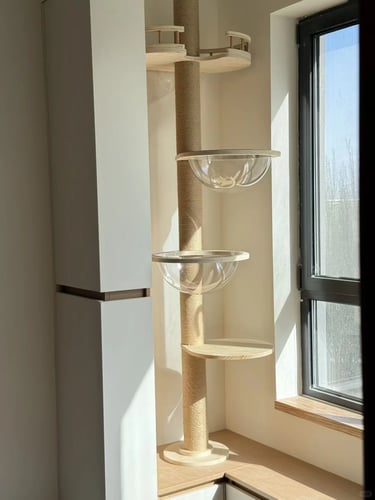
A slim freestanding cat tree
A bookshelf-style climbing unit
A window bench
A tall scratching post
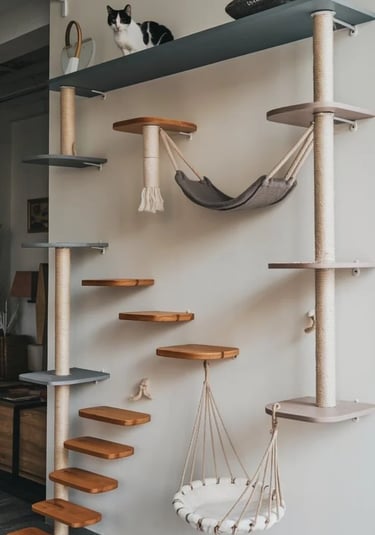
A stable ladder-style cat shelf
A movable wooden perch
A furniture-based route from floor to window
If drilling is not allowed, choose stable freestanding options instead of risky temporary fixes.
A cat’s climbing area should never depend on hope.
It should depend on structure.
Create a Cat Route Instead of One Big Object
A large cat tree tries to do everything in one place.
But in a small apartment, it may be better to create a small cat route.
A cat route is a series of simple places your cat can move between during the day.
For example:
A scratching post near the sofa
A low bench under the window
A soft bed in a quiet corner
A shelf or cabinet top for observation
A hidden cubby near the living area
This gives the cat choices without requiring one huge piece of furniture.
It also makes the apartment feel more natural. Cat-friendly design becomes part of the room instead of one large object sitting in the corner.
A good cat route supports movement, rest, play, scratching and observation.
It is not about buying more things.
It is about placing the right things in the right places.
Avoid Cat Furniture That Makes Small Spaces Harder to Live In
Some cat furniture looks useful online but becomes frustrating in real life.
In a small apartment, avoid pieces that create more problems than they solve.
Be careful with:
Oversized cat trees with wide bases
Tall but unstable towers
Cheap carpet-covered furniture that sheds or traps hair
Bright colors that clash with the room
Decorative pieces cats cannot actually use
Furniture that blocks windows, doors or walkways
Delicate materials that are difficult to clean
Wall systems that are not secure enough for jumping
A cat-friendly home should still be comfortable for people.
If a piece of cat furniture makes the room harder to clean, harder to move through, or visually overwhelming, it may not be the right choice.
Good design supports daily life.
It should not fight against it.
Choose Materials That Feel Calm and Last Longer
Materials can change the feeling of a small apartment.
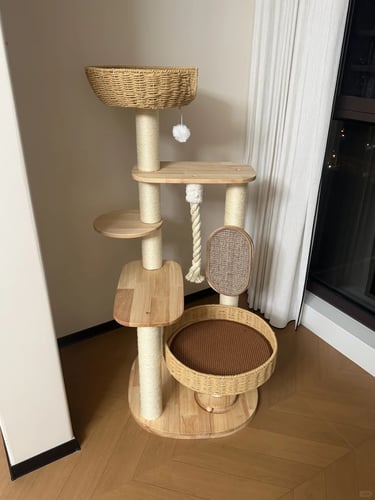
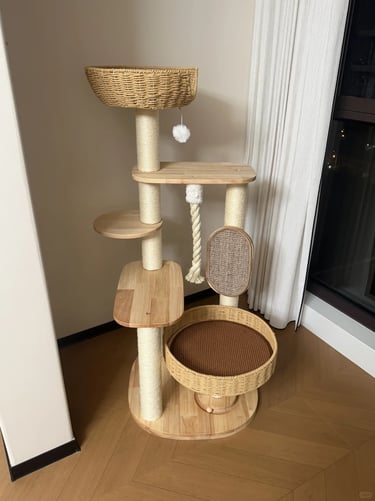
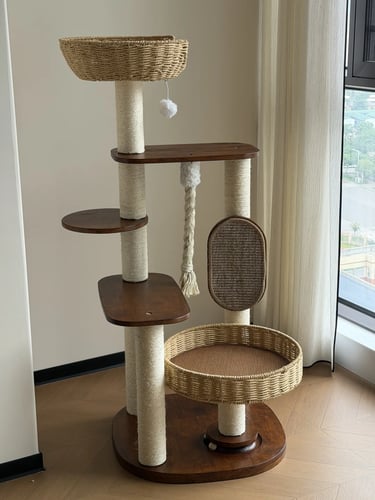
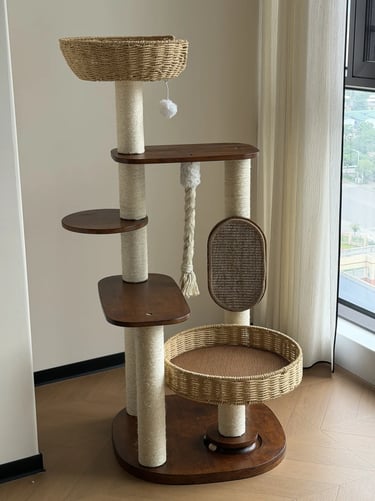
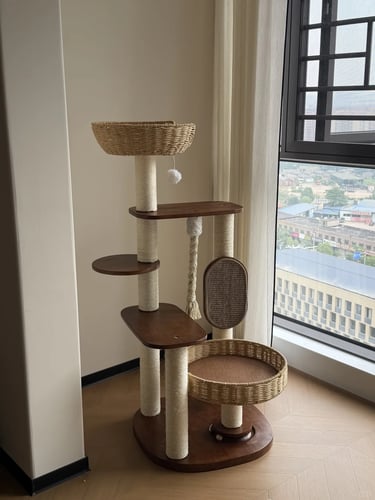
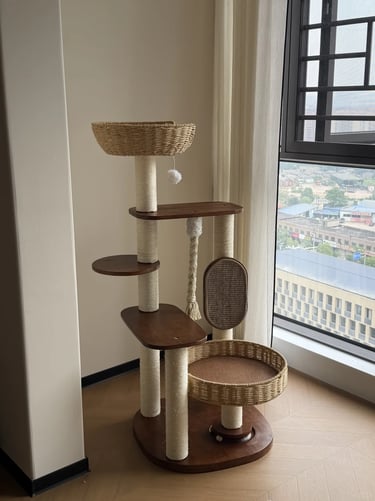
Natural wood, sisal rope, washable fabric, woven textures and neutral cushions often blend more easily with modern interiors. These materials feel warmer and less temporary than bright plastic or heavy synthetic carpet.
For a softer small-home look, consider:
Natural wood tones
Cream or beige cushions
Sisal scratching surfaces
Washable fabric covers
Woven baskets
Soft gray or muted green details
A calm material palette makes cat furniture feel more like home furniture.
It also helps the room feel less crowded.
In a small apartment, visual noise matters. The fewer competing colors and textures you use, the more peaceful the space will feel.
Keep Cleaning in Mind
Small apartments show mess quickly.
Cat hair, litter dust, scratched fabric and loose fibers can make a small space feel untidy faster than a larger home. This is why easy cleaning should be part of the decision.
Choose pieces with:
Removable cushions
Washable covers
Smooth wipeable surfaces
Replaceable scratching parts
Raised bases for vacuuming
Simple shapes without too many hidden corners
Avoid long-pile fabrics that trap hair or materials that hold odors easily.
A cat-friendly apartment should feel lived in, not neglected.
The easier the furniture is to clean, the more likely it is to stay beautiful over time.
Final Thoughts
A small apartment does not always need a large cat tree.
It needs thoughtful cat-friendly zones.
A window perch can provide sunlight and observation.
A slim scratching post can protect furniture.
A low bench can become a resting place.
A bookshelf-style unit can add vertical space.
A side table with a hidden bed can blend into the room.
The best cat tree alternative is not always one object.
It may be a small system of places that let your cat scratch, climb, rest, hide and watch without making the home feel crowded.
Good cat-friendly design should work for both cats and people.
It should feel stable, comfortable, easy to clean and visually connected to the home.
In a small apartment, every choice matters.
And the right choices can make the whole home feel calmer, warmer and more complete.