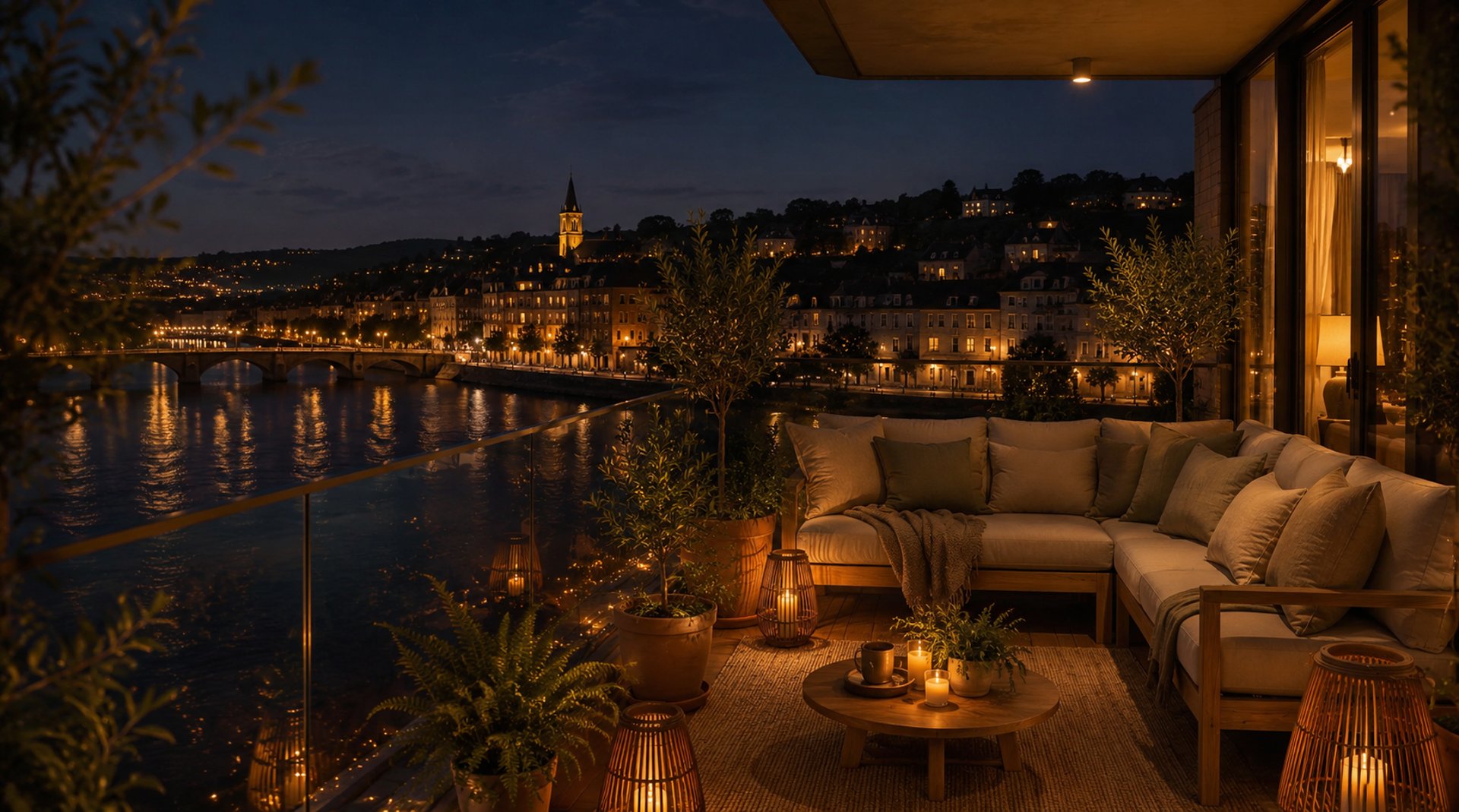
Garden Corner Ideas for Slow Living Outdoors | CozyNest Living
Explore garden corner ideas for slow living with cozy seating, warm lighting, natural materials, plants and simple outdoor styling for peaceful retreats today.
OUTDOOR MOOD
How to Create a Garden Corner for Slow Living
A garden does not need to be large to support a slower way of living.
Sometimes, one quiet corner is enough.
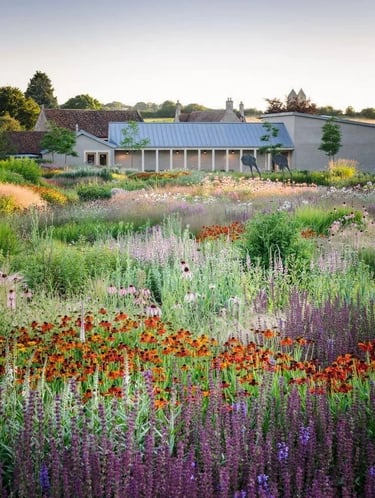
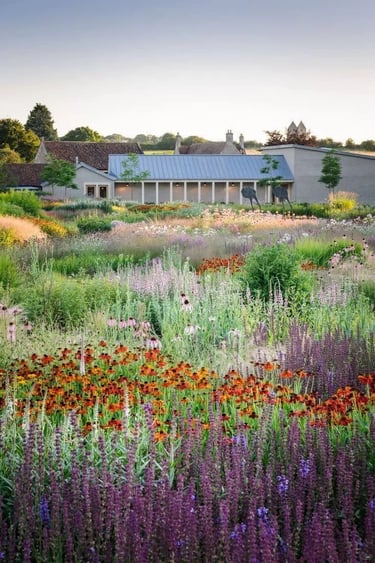
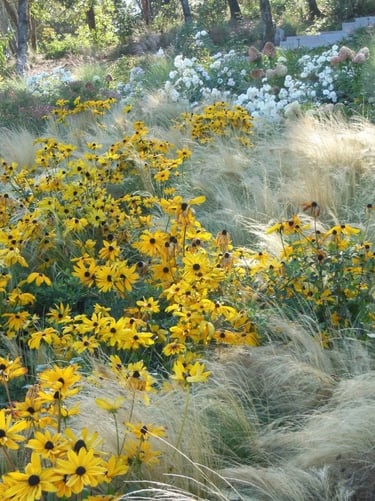
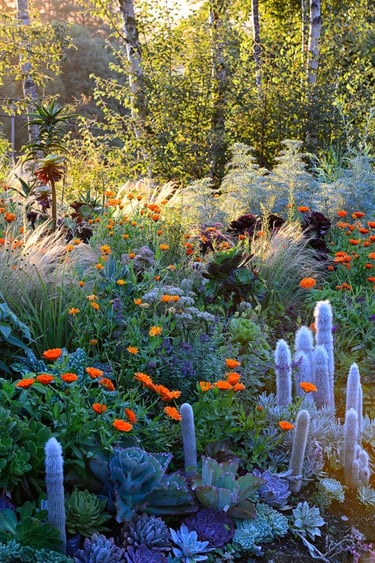
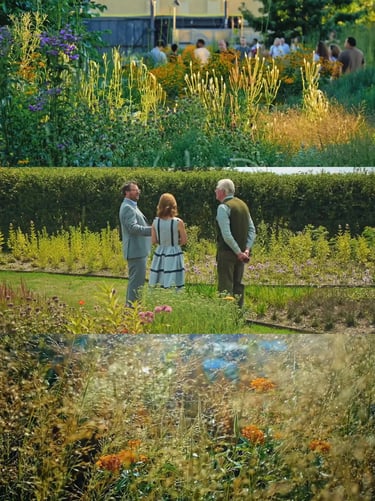
I often return to the work of Piet Oudolf when thinking about outdoor spaces. His gardens remind us that beauty is not only found in perfect flowers or carefully controlled arrangements. It can also be found in movement, texture, fading seed heads, soft grasses and the quiet changes between seasons.
This idea feels important for everyday gardens.
A garden corner does not have to impress guests or look finished all the time. It can simply become a place where life slows down a little — a chair beside plants, a small table for coffee, warm light in the evening, and enough stillness to notice the wind moving through leaves.
Slow living outdoors begins with intention.
It begins with choosing one small space and making it feel worth returning to, not because it is perfect, but because it gives you a reason to pause.
Find a Protected Spot
The best garden corners often feel slightly sheltered.
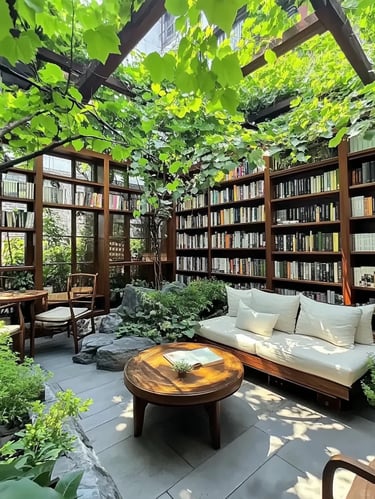
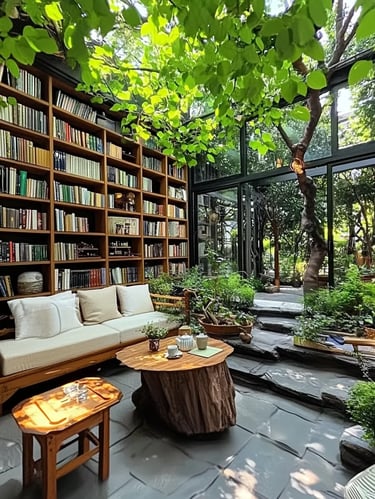
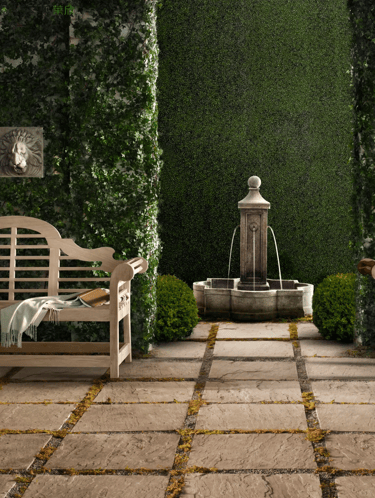
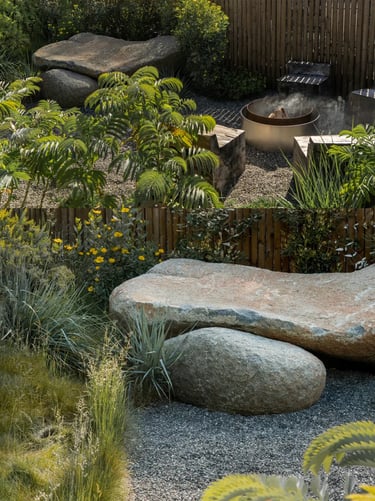
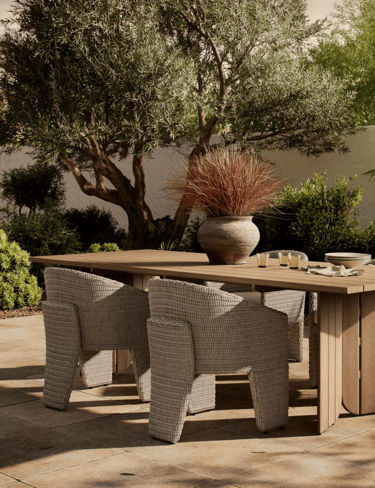
Look for a place near a wall, under a tree, beside tall plants, or at the edge of the garden. These places naturally create a sense of privacy, not because they are hidden, but because they feel gently separated from noise and movement.
A protected corner does not need to be enclosed on every side. Sometimes, a low wall, a group of planters, ornamental grasses, shrubs or a simple screen is enough to create a quiet boundary.
This idea reminds me of the way many thoughtful gardens are designed: not as open displays, but as a sequence of small experiences. A good garden does not reveal everything at once. It invites you to move, pause, look closer and feel the atmosphere.
A little enclosure can make a garden corner feel more peaceful, more personal and more meaningful.
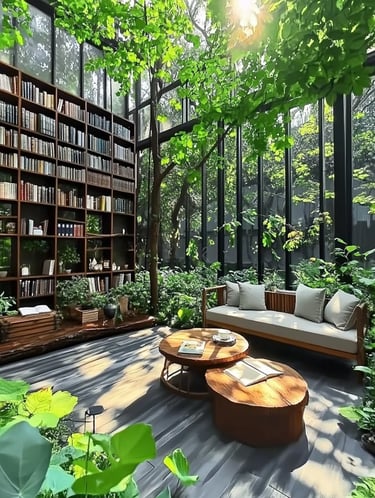
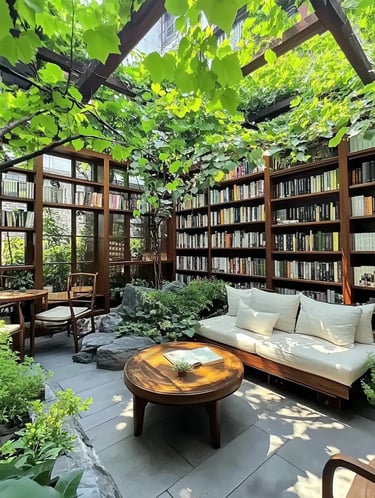
Add One Comfortable Seat
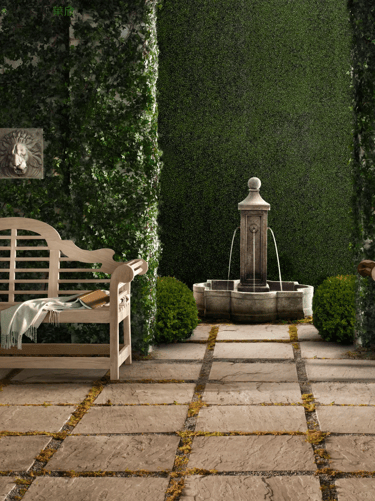
A slow living garden corner starts with a seat.
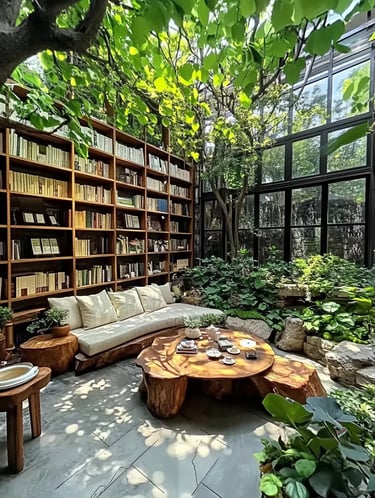
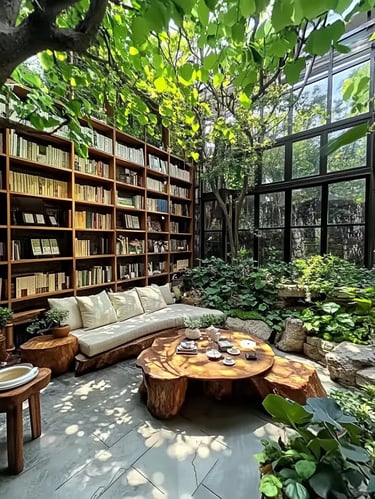
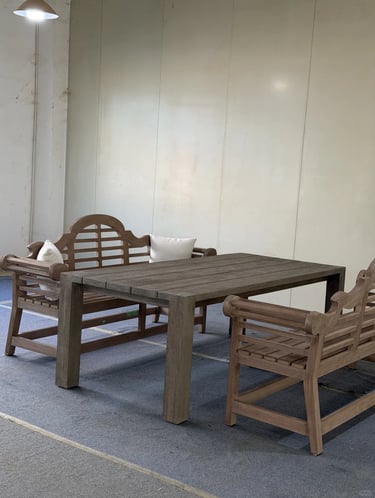
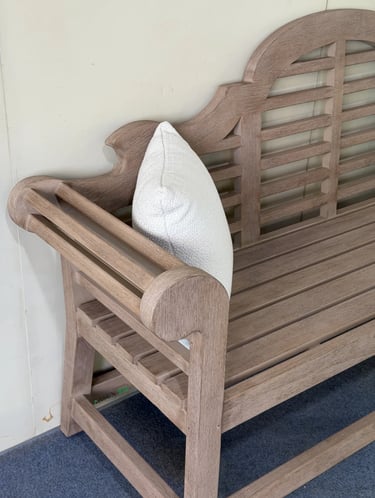
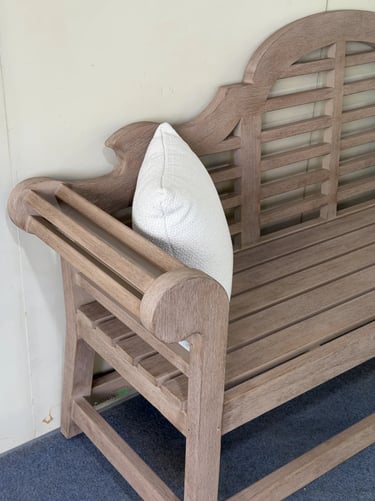
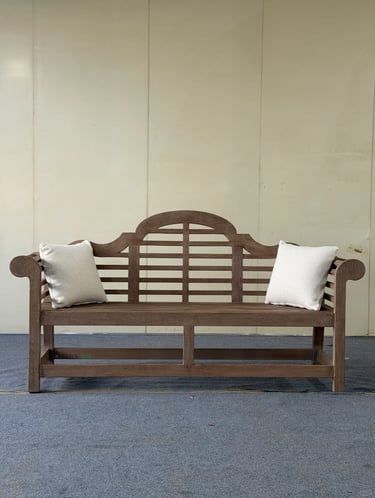
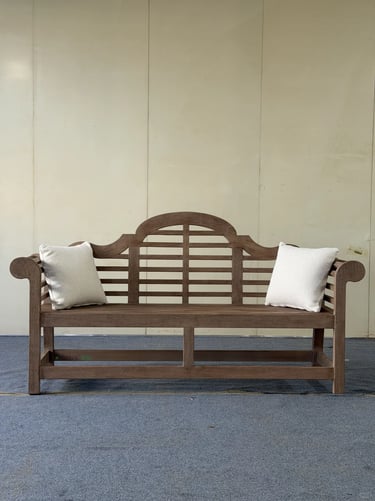
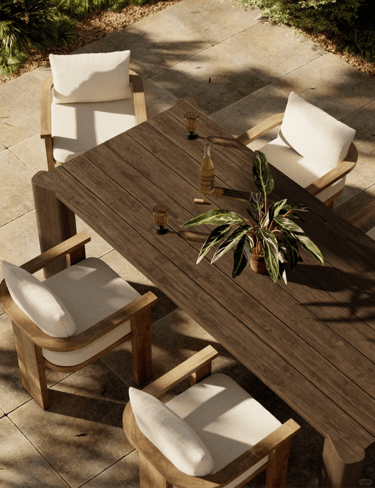
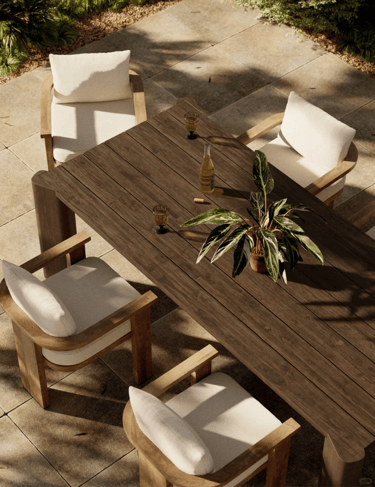
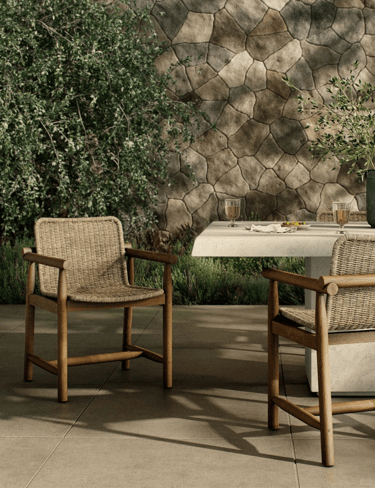
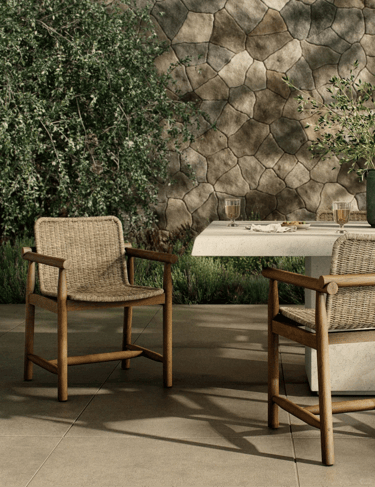
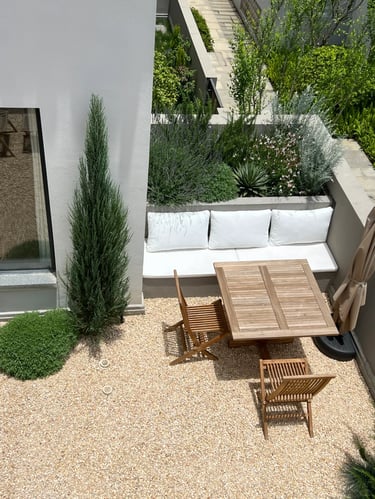
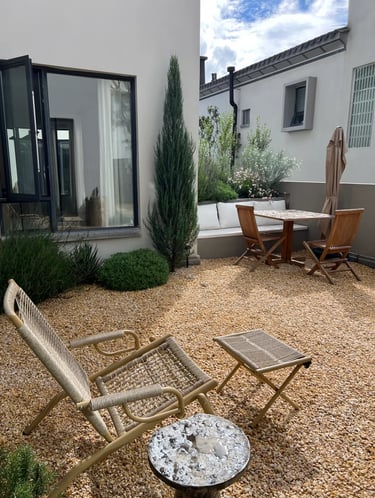
It could be a wooden bench, a lounge chair, a low outdoor armchair or even a simple stool with a cushion. The important thing is not how impressive the furniture looks, but whether it invites you to stay.
Russell Page, one of the great garden designers of the twentieth century, understood the power of proportion and restraint. His work often reminds us that a space does not need to be full to feel complete. One well-placed seat can be more powerful than a crowded furniture arrangement.
For a quiet corner, one good chair can be better than a full outdoor set.
The seat should feel connected to the garden. It should face something worth looking at: soft planting, morning light, a tree, a path, or simply an open patch of sky.
Bring Plants Close
Plants create the emotional atmosphere of a garden corner.
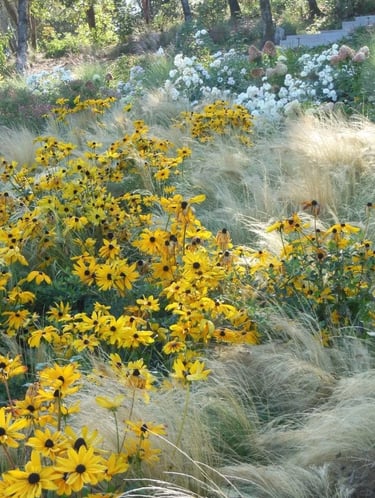
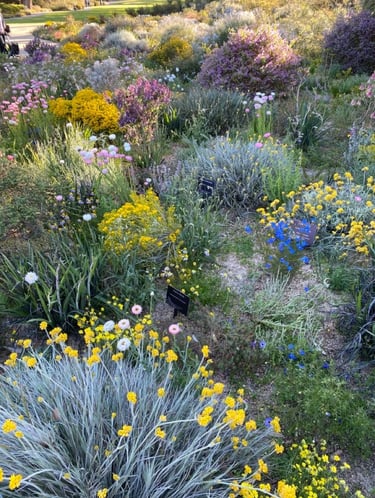
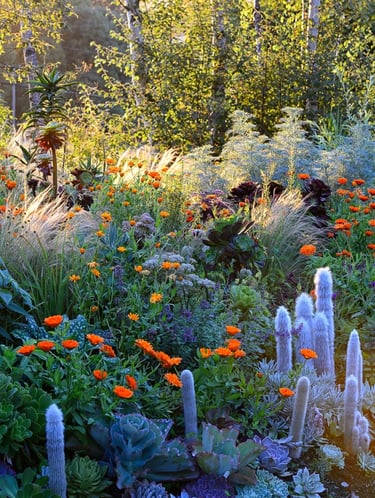
Place them close enough to be felt, not just seen from a distance. Grasses can add movement. Shrubs can create softness. Herbs can add scent. Flowers can bring seasonal color.
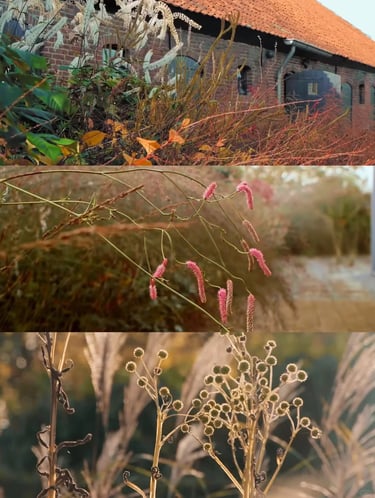
This is where Piet Oudolf’s philosophy feels especially important. His gardens show that plants are not only decorative objects. They are living forms that change with light, weather and time. Seed heads, grasses, fading flowers and winter structures can all become part of the garden’s beauty.
A garden corner becomes more alive when plants surround the seat gently. It should not feel like a perfect display. It should feel like nature is close enough to touch.
The goal is not to build a flawless garden scene. The goal is to create a small place where the changing life of the garden can be noticed.
Use Natural Materials
Slow living spaces work best with materials that feel warm, honest and connected to the outdoors.
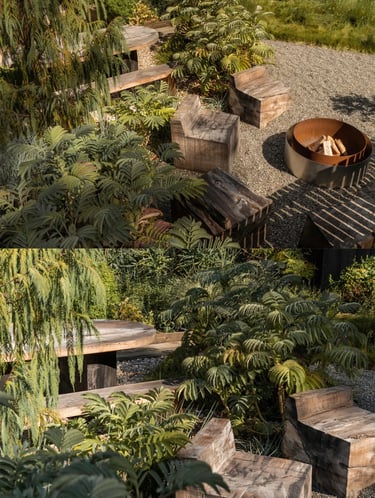
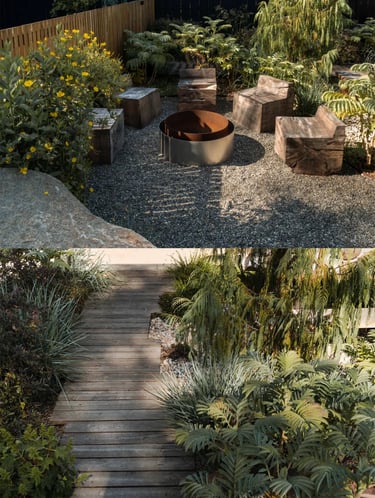
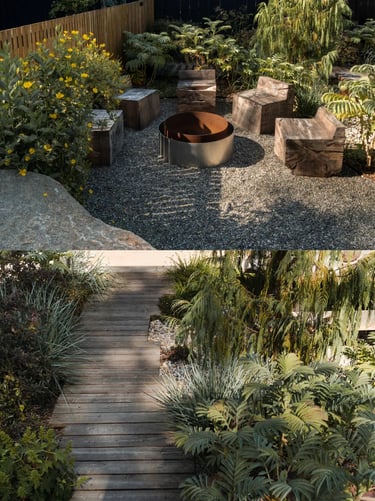
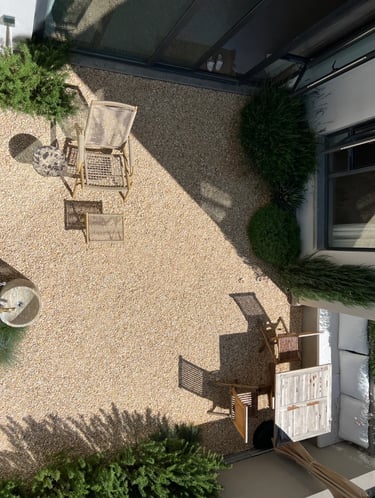
Wood, stone, terracotta, linen-style fabrics, woven textures and weathered metal all help create a calm atmosphere. These materials do not need to look perfect forever. In fact, part of their beauty comes from the way they age.
William Morris believed that beauty should belong to everyday life. This idea feels deeply relevant to garden design. A garden corner should not feel like a staged showroom. It should feel useful, natural and lived in.
Avoid materials that feel too shiny, too artificial or too temporary. A quiet garden corner becomes more beautiful when its materials can handle sunlight, rain, touch and time.
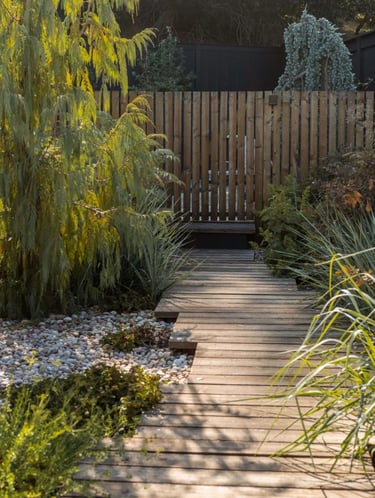
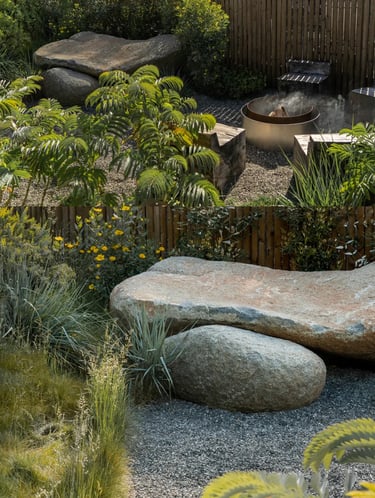
Natural materials help the space blend with plants and slowly become part of the garden itself.
Add a Small Table
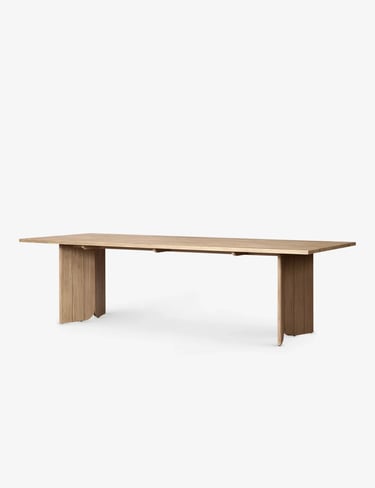
A small table makes the corner easier to use.
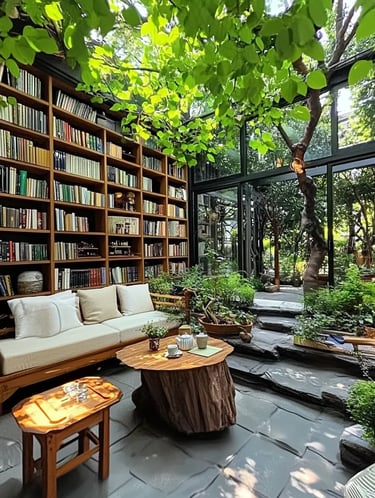
It can hold a cup of coffee, a book, a candle, garden tools, or a small vase of flowers. This detail seems simple, but it changes the feeling of the space.
A chair alone can feel temporary. A chair with a small table begins to feel like a place to stay.
This is often what makes slow living design meaningful. It is not about adding luxury. It is about supporting small daily rituals.
Morning coffee.
An evening book.
A glass of water beside the chair.
A candle after sunset.
These small details make a garden corner feel personal.
Make Lighting Soft
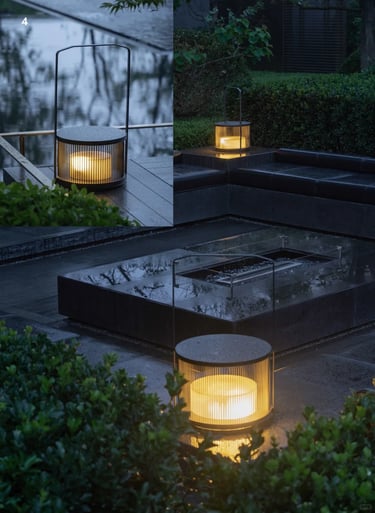
If you want to use the garden in the evening, lighting matters.
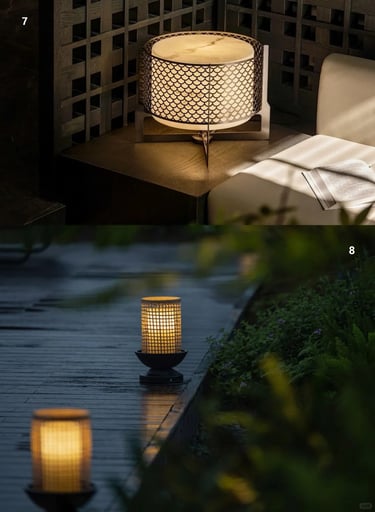
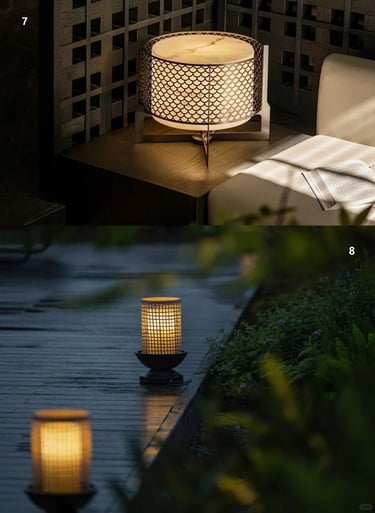
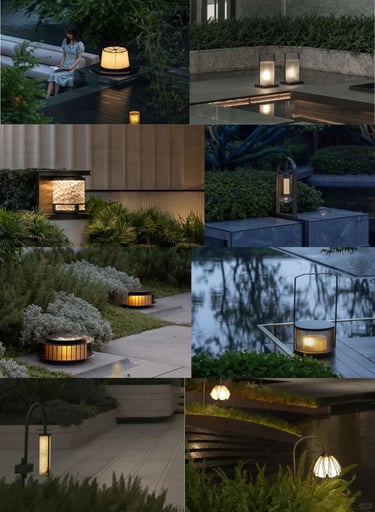
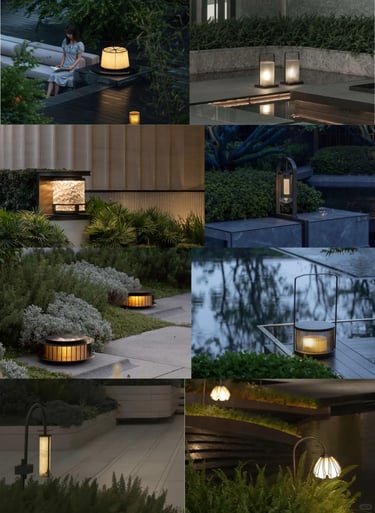
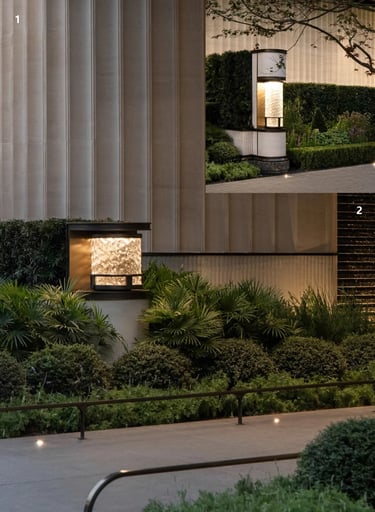
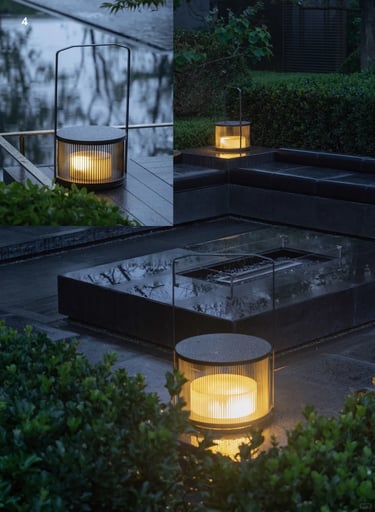
Use a lantern, candle-style lamp, string lights or a small solar light. Keep the light warm and gentle. Slow living does not need bright lighting. It needs atmosphere.
Soft lighting allows a garden to change after dark. Plants become silhouettes. Stone and wood gain depth. A chair feels more inviting. The garden becomes quieter.
Good outdoor lighting should not overpower the space. It should help you notice what is already there.
A soft glow can turn a simple garden corner into a peaceful evening retreat.
Keep It Simple
A slow living garden corner should not require too much maintenance.
Too many objects can create visual noise. Too many plants can become difficult to care for. Too many decorative details can make the space feel staged.
Gertrude Jekyll, known for her painterly approach to planting, understood that beauty often comes from harmony rather than excess. Color, texture and form should work together instead of competing for attention.
Keep only what supports comfort and feeling.
A seat.
A plant.
A small table.
A warm light.
A material that ages well.
This may be enough.
A simple garden corner gives the eye room to rest and the mind room to slow down.
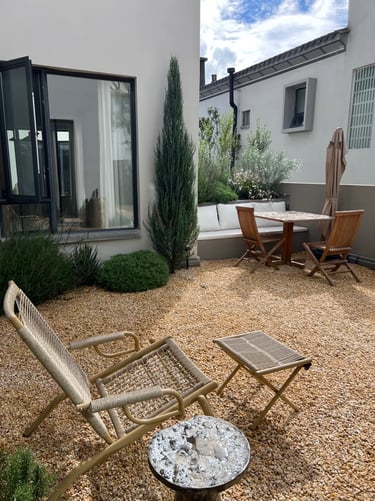
Let the Corner Change With the Seasons
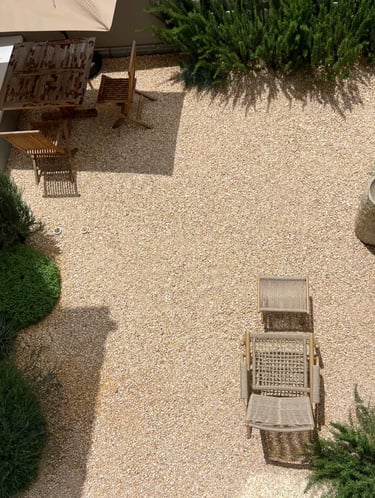
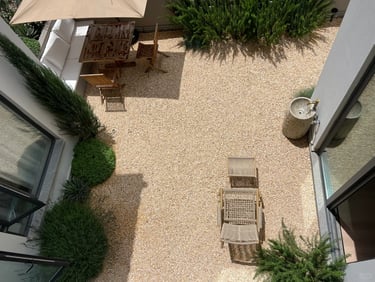
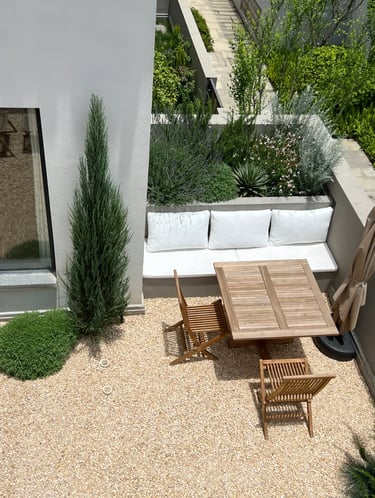
A garden corner should not look exactly the same all year.
In spring, it may feel fresh and green.
In summer, it may feel full and shaded.
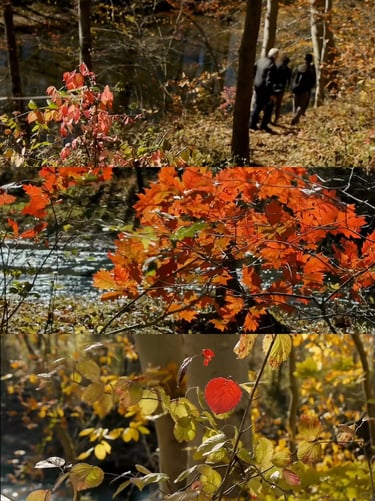
In autumn, it may become warmer and softer.
In winter, structure, branches and light may become more important.
This seasonal rhythm is part of what makes outdoor living meaningful.
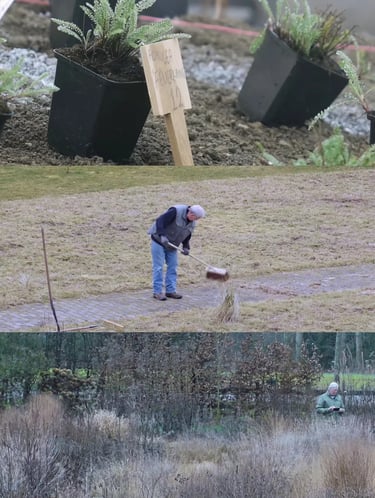
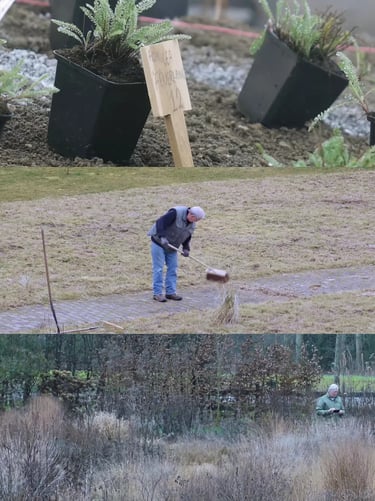
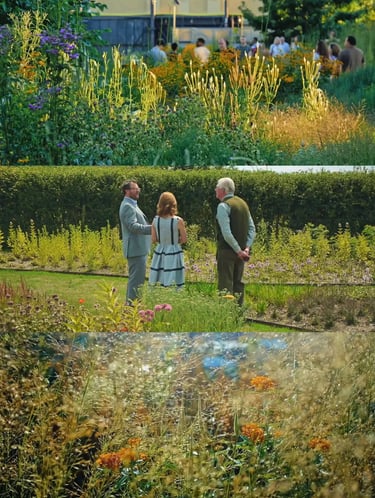
Piet Oudolf’s work reminds us that a garden is not only beautiful at the moment of full bloom. It can also be beautiful when plants fade, when grasses dry, when seed heads remain, and when winter light reveals structure.
Let the corner change naturally.
A garden that changes with the seasons feels more alive than one that tries to stay perfect.

Final Thoughts
A garden corner for slow living is not about decoration.
It is about creating a place that helps you feel present.
With comfortable seating, nearby plants, natural materials and soft lighting, even a small corner can become a meaningful outdoor retreat. It does not need to impress anyone. It only needs to offer a reason to pause.
The most beautiful garden is not always the largest one.
Sometimes, it is simply the place where you finally slow down, notice the light, feel the season, and return to yourself for a moment.