Balcony Garden Design: 10 Things to Consider
Discover 10 essential balcony garden design tips including waterproofing, drainage, plant selection, outdoor materials, safety considerations and budget planning for a beautiful outdoor living space.
BALCONY LIVING
Why Planning Matters
A balcony garden can become one of the most relaxing places in a home.Whether you have a compact apartment balcony or a spacious terrace, thoughtful planning helps create an outdoor space that feels comfortable, practical, and easy to enjoy every day.Before choosing furniture, plants, or decorative elements, it is important to consider a few key factors that will affect both appearance and long-term maintenance.
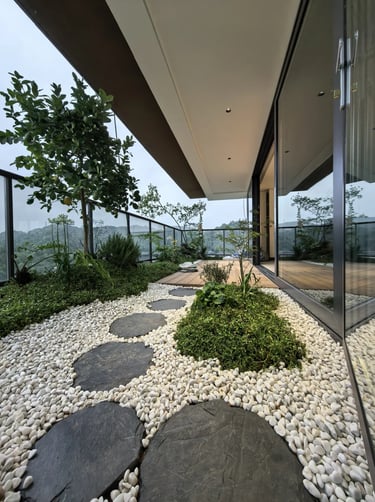
1. Understand Your Balcony's Weight Capacity
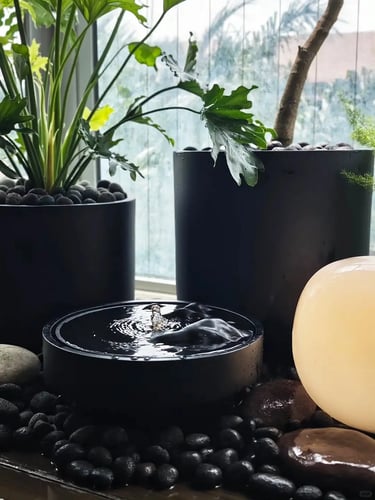
Many people focus on design before considering structure.Large stone planters, water features, heavy outdoor furniture, and oversized ceramic pots can quickly add significant weight.Before making major additions, check your building's guidelines and avoid overloading the balcony.A beautiful garden should always be safe.
For balcony gardens, lightweight materials are usually a smarter choice. Powder-coated aluminum, PE rattan, WPC decking, treated wood, resin planters, and outdoor fabrics can help create a cozy look without adding unnecessary weight. Heavy stone, large ceramic pots, concrete planters, and water features should be used carefully, especially on small balconies.
2. Waterproofing Comes First
Waterproofing is one of the most important parts of any balcony renovation.Areas near walls, planters, and flooring should be properly protected against moisture.Without adequate waterproofing, water may seep into interior spaces or affect neighboring units below.Good waterproofing prevents expensive repairs later.
For balcony waterproofing, the most important step is to protect the base layer before adding decorative finishes. Polyurethane waterproof coating, polymer cement coating, and waterproof membranes are commonly used to protect balcony floors, wall corners, planter areas, and drainage points.Surface materials such as WPC decking, outdoor rugs, and raised planters can make the balcony feel warmer and more comfortable, but they should not replace proper waterproofing underneath. Tiles alone are not enough, because water may still seep through grout lines and small gaps over time.A well-designed balcony should allow water to drain smoothly, stay dry after rain, and protect both your home and the units below.
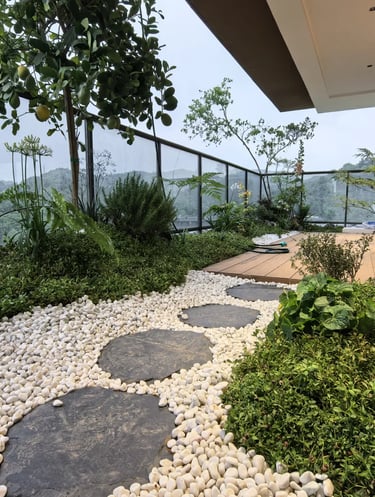
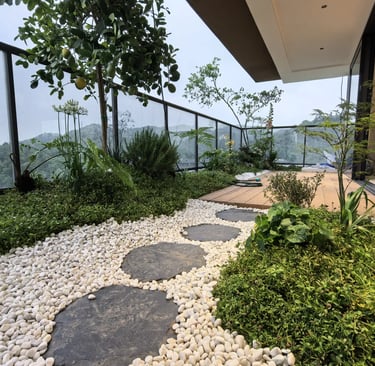
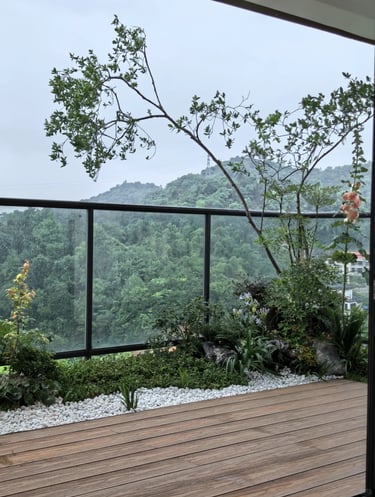
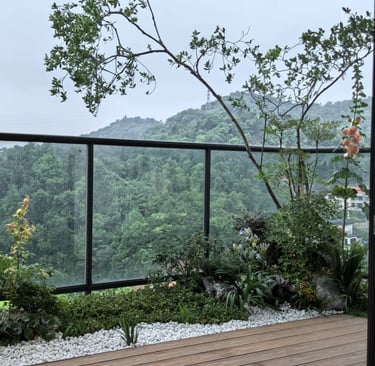
3. Choose Plants Based on Sunlight
Different balconies receive different amounts of sun.
South-facing: full sun
East-facing: morning sun
West-facing: afternoon sun
North-facing: limited sunlight
Selecting the right plants often determines whether a balcony garden thrives or struggles.
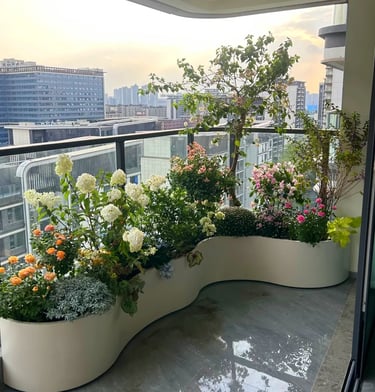
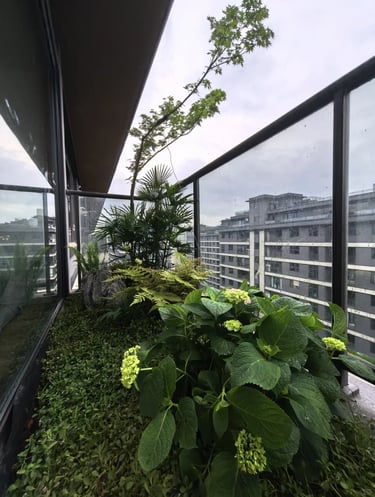
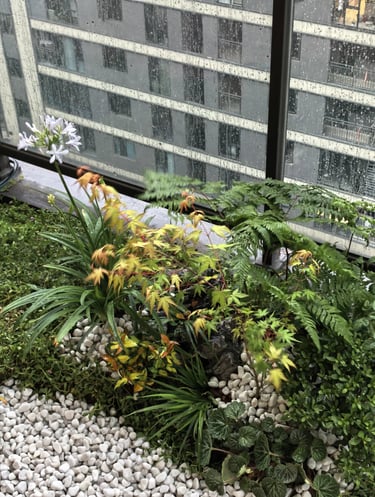
For European balconies, the best plants depend strongly on sunlight direction. South-facing balconies are suitable for sun-loving plants such as lavender, rosemary, thyme, geraniums, and olive trees. East-facing balconies receive softer morning light and are often better for hydrangeas, mint, parsley, pansies, and begonias.West-facing balconies can become hot in the afternoon, so heat-tolerant plants such as sage, petunias, verbena, lavender, and succulents are practical choices. North-facing balconies receive less sunlight, making shade-tolerant plants such as ivy, ferns, hostas, spider plants, and heuchera a better fit.Choosing plants according to light conditions can make a balcony garden easier to maintain and more likely to thrive throughout the season.
4. Make Drainage a Priority
Standing water creates problems.
Proper drainage helps prevent:
root rot
mold
unpleasant smells
mosquito breeding
Every planter should include adequate drainage holes.
5. Avoid Overcrowding Small Spaces
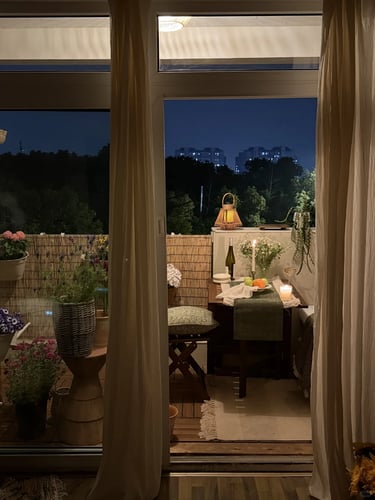
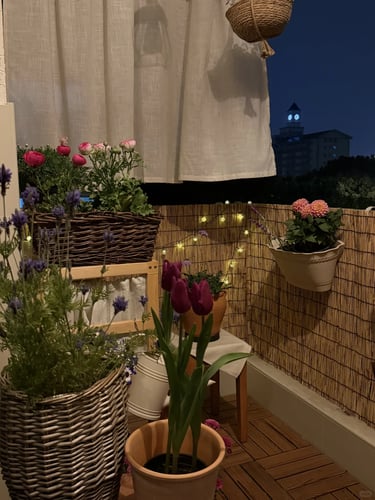
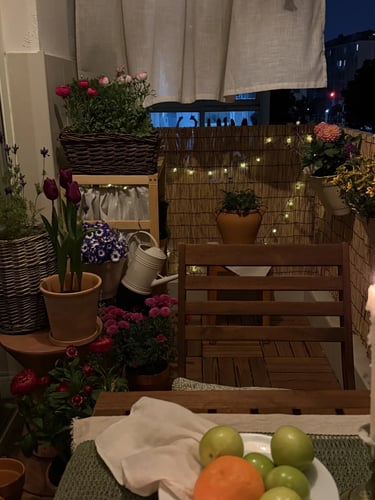
One of the most common mistakes is trying to fit too much into a limited area.Large furniture, excessive decorations, and too many plants can make a balcony feel cluttered and smaller than it actually is.Often, a simpler layout creates a more elegant and relaxing atmosphere.
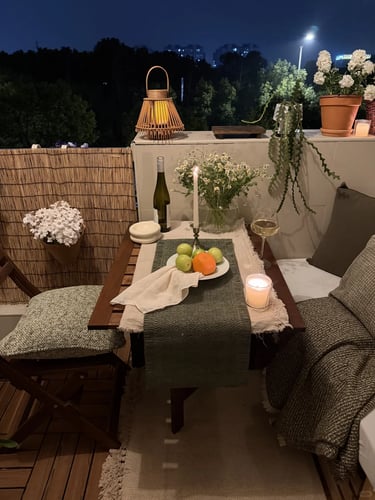
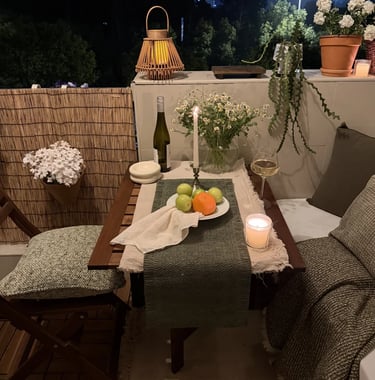
6. Select Outdoor-Friendly Materials
Outdoor environments expose furniture and materials to sunlight, moisture, wind, and temperature changes.Look for materials that resist fading, cracking, rust, and mold.Natural teak, powder-coated aluminum, outdoor performance fabrics, and quality synthetic wicker are popular choices because they combine durability with comfort.
Materials to Avoid for Outdoor Balconies
Avoid untreated indoor wood, regular iron, MDF, particle board, indoor cushions, natural rattan, and low-quality plastic for exposed balcony areas. These materials are more likely to fade, crack, rust, swell, or grow mold when exposed to outdoor conditions. Choosing weather-resistant materials from the beginning can make your balcony easier to maintain and more comfortable to use.
7. Prioritize Safety
Safety should never be overlooked, especially on higher floors.Planters, decorative objects, and lightweight furniture should be secured properly to prevent movement during strong winds.Avoid placing unstable items near balcony railings.
8. Think About Long-Term Maintenance
Some balcony plants are more suitable for patient gardeners, while others are better for busy people or beginners.
If you enjoy regular plant care, hydrangeas, petunias, geraniums, cherry tomatoes, and mini roses can bring rich color and personality to a balcony. However, they often need more watering, pruning, feeding, or seasonal attention.
If you prefer a low-maintenance balcony garden, lavender, rosemary, thyme, ivy, succulents, and mint are easier choices. These plants are generally more forgiving and can still make a balcony feel fresh, natural, and comfortable with less daily effort.
The best balcony garden is not always the most complicated one. It is the one that matches your lifestyle. Choose plants you can realistically care for, and your balcony will feel beautiful for much longer.
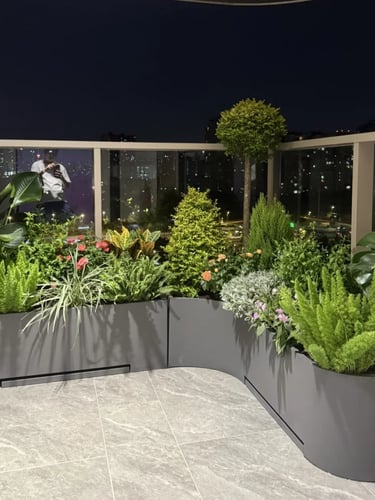
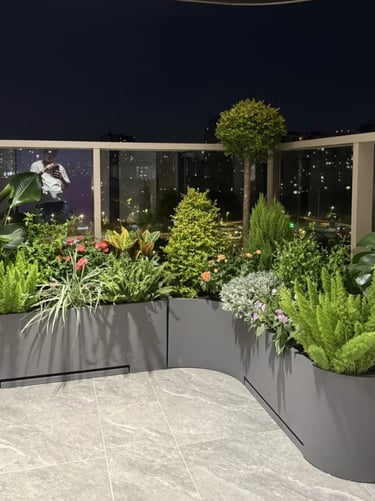
9. Keep a Consistent Design Style
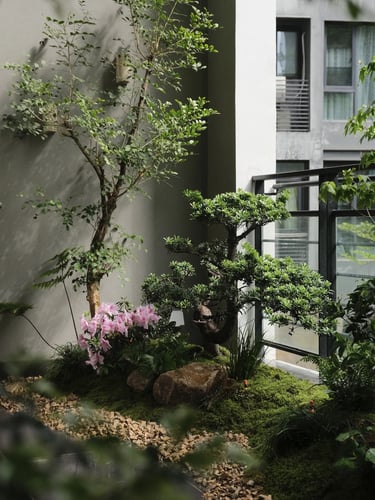
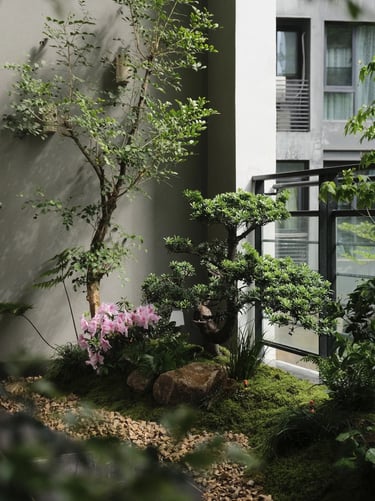
The balcony should feel like a natural extension of the home.Whether your style is Scandinavian, modern, Mediterranean, or minimalist, consistency creates a more polished and inviting outdoor environment.Mixing too many styles can make a space feel visually chaotic.
10. Spend Your Budget Wisely
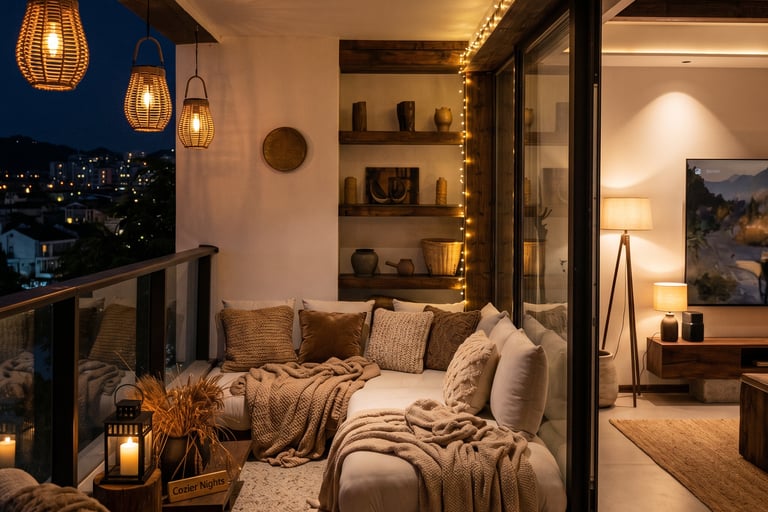
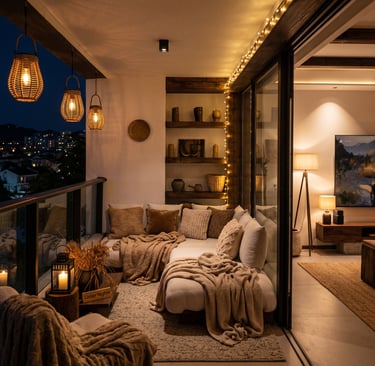
A larger budget does not always create a better balcony.Invest first in essentials such as waterproofing, drainage, quality materials, and comfortable seating.Decorative accessories can always be added later.The best outdoor spaces focus on comfort rather than cost.
Final Thoughts
A successful balcony garden is not defined by how many plants or decorations it contains.Instead, it is the result of thoughtful planning, durable materials, healthy plants, and a design that fits your lifestyle.When these foundations are in place, even a small balcony can become a peaceful outdoor retreat that you enjoy throughout the year.